
Operation Theatre Technology MCQs for NHPC Nepal – Diploma in Operation Theatre Technology License Exam
1. The primary role of an Operation Theatre Technologist is to:
a) Assist the surgeon during surgery
b) Administer anesthesia to the patient
c) Sterilize surgical instruments
d) Monitor the patient’s vital signs during surgery
2. The most commonly used sterilization method for surgical instruments is:
a) Autoclaving
b) Dry heat sterilization
c) Gas sterilization
d) Boiling
3. Which of the following is a key responsibility of an Operation Theatre Technologist before surgery?
a) Preparing the operating room and sterile field
b) Performing the surgery
c) Administering medications
d) Providing postoperative care
4. The surgical team typically includes all the following members EXCEPT:
a) Surgeon
b) Anaesthetist
c) Scrub nurse
d) Laboratory technician
5. The term “aseptic technique” refers to:
a) Removing harmful microorganisms from the patient
b) Ensuring a sterile environment to prevent infection
c) Using antibiotics to treat infections
d) Cleaning the operating room
6. The function of a surgical drape during surgery is to:
a) Sterilize the instruments
b) Ensure the operating field remains sterile
c) Monitor the patient’s blood pressure
d) Administer anesthesia
7. The most commonly used anesthesia during surgery is:
a) Local anesthesia
b) Regional anesthesia
c) General anesthesia
d) Sedation
8. Which of the following instruments is used to hold tissues apart during surgery?
a) Scissors
b) Forceps
c) Retractors
d) Needle holder
9. The main purpose of monitoring the patient’s vital signs during surgery is to:
a) Ensure the patient is comfortable
b) Assess the risk of surgical complications
c) Prevent infection
d) Provide anesthesia
10. Which of the following is a type of surgical incision used in abdominal surgery?
a) Midline incision
b) Lateral incision
c) Vertical incision
d) Transverse incision
11. The most common method for sterilizing surgical instruments is:
a) Chemical sterilization
b) Autoclaving (steam under pressure)
c) Gas sterilization
d) Boiling water
12. The main purpose of surgical gloves is to:
a) Protect the surgeon from infection
b) Ensure a sterile environment
c) Provide comfort during surgery
d) Protect the patient from contamination
13. Which of the following is a key responsibility of an Operation Theatre Technologist during surgery?
a) Assist with anesthesia administration
b) Ensure the surgical instruments remain sterile
c) Perform surgery under supervision
d) Prepare the patient for discharge
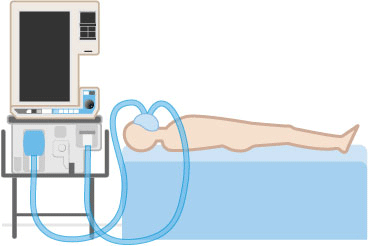
14. The anesthesia machine in the operating room is used to:
a) Monitor the patient’s vital signs
b) Administer anesthetic agents to the patient
c) Sterilize surgical tools
d) Hold the patient in position during surgery
15. The surgical team member responsible for preparing and maintaining the sterile field is the:
a) Anaesthetist
b) Surgeon
c) Scrub nurse/technologist
d) Circulating nurse
16. What is the purpose of the “time-out” procedure before surgery?
a) To check the patient’s identity and surgical site
b) To perform the pre-surgical checklist
c) To ensure anesthesia is administered properly
d) To sterilize the instruments
17. Which of the following instruments is used to make precise surgical cuts?
a) Scalpel
b) Scissors
c) Needle holder
d) Hemostats
18. The function of a surgical suction device is to:
a) Administer oxygen to the patient
b) Remove excess fluids and blood from the surgical site
c) Disinfect the surgical area
d) Provide anesthesia
19. In which of the following types of surgeries is a laparoscope commonly used?
a) Heart surgery
b) Abdominal surgery
c) Neurosurgery
d) Orthopedic surgery
20. The best position for a patient undergoing abdominal surgery is:
a) Supine
b) Prone
c) Lithotomy
d) Lateral
21. The primary purpose of the operating table is to:
a) Hold the surgical instruments
b) Provide a sterile field
c) Provide comfort for the surgical team
d) Support the patient during surgery
22. The primary function of the sterilizer in the operating theatre is to:
a) Keep the surgical team comfortable
b) Disinfect the operating room
c) Sterilize surgical instruments and drapes
d) Control the temperature in the operating room
23. Which of the following is the best method to prevent the spread of infection during surgery?
a) Wearing non-sterile gloves
b) Ensuring all team members are vaccinated
c) Following proper aseptic techniques
d) Using antibiotics postoperatively
24. The most common complication during surgery is:
a) Infection
b) Hypovolemic shock
c) Blood clots
d) Anaphylaxis
25. The primary purpose of a sterile field in the operating room is to:
a) Provide comfort to the patient
b) Ensure only sterile items are used during surgery
c) Prevent contamination of the surgical team
d) Monitor the patient’s heart rate
26. Which of the following is used to close a wound during surgery?
a) Scalpel
b) Sutures
c) Forceps
d) Retractors
27. A key responsibility of the circulating nurse in the operating room is to:
a) Sterilize surgical instruments
b) Administer anesthesia
c) Monitor the patient’s vital signs
d) Ensure proper documentation and support
28. The surgical instrument used to grasp or hold tissue is called a:
a) Scalpel
b) Forceps
c) Scissors
d) Retractor
29. During surgery, the primary concern regarding the patient’s airway is to:
a) Ensure the patient can breathe independently
b) Monitor oxygen levels
c) Prevent airway obstruction
d) Administer oxygen to the patient
30. The most common position for a patient undergoing orthopedic surgery is:
a) Supine
b) Prone
c) Lateral
d) Trendelenburg
31. What is the purpose of using a cautery in surgery?
a) To close wounds
b) To stop bleeding by coagulating tissue
c) To disinfect the surgical site
d) To administer anesthesia
32. The best method of preventing cross-contamination in the operation theatre is:
a) Properly sterilizing instruments
b) Regularly cleaning the operating room
c) Using disposable items for surgery
d) All of the above
33. Which of the following is a method used to sterilize heat-sensitive instruments?
a) Autoclaving
b) Gas sterilization
c) Boiling
d) Radiation
34. The most commonly used anesthetic agent in general anesthesia is:
a) Propofol
b) Nitrous oxide
c) Sevoflurane
d) Ketamine
35. The responsibility of the scrub technologist during surgery includes:
a) Administering anesthesia
b) Handling surgical instruments in a sterile manner
c) Monitoring the patient’s vital signs
d) Documenting the surgery
36. The function of the operating room light is to:
a) Provide ambient lighting
b) Illuminate the surgical site for the surgeon
c) Prevent infection
d) Assist with anesthesia administration
37. The primary concern during the transfer of the patient to the operating table is:
a) To ensure proper anesthesia administration
b) To prevent injury during positioning
c) To monitor vital signs
d) To disinfect the patient’s skin
38. The most important safety consideration in the operating room is:
a) Ensuring the patient is comfortable
b) Sterilizing the instruments
c) Preventing fire hazards
d) Minimizing the time spent in surgery
39. The circulating nurse is responsible for which of the following?
a) Ensuring the surgical instruments remain sterile
b) Monitoring the patient’s vital signs during surgery
c) Handing instruments to the surgeon
d) All of the above
40. Which of the following is a major consideration in the positioning of a patient for surgery?
a) Ensuring comfort and access to the surgical site
b) Maintaining the airway
c) Preventing nerve injury
d) All of the above
41. The surgical instrument used to stop bleeding by constricting blood vessels is called a:
a) Hemostat
b) Scalpel
c) Retractor
d) Forceps
42. The time before the surgery where the surgical team reviews the patient’s identity and surgical site is called:
a) Time-out procedure
b) Preoperative briefing
c) Postoperative check
d) Infection control check
43. What is the function of a surgical retractor?
a) To cut tissue
b) To hold back tissues or organs
c) To administer anesthesia
d) To clean the surgical site
44. The most common complication after surgery is:
a) Infection
b) Anesthesia complications
c) Bleeding
d) Pain
45. The function of a surgical drape is to:
a) Prevent contamination of the sterile field
b) Provide warmth to the patient
c) Monitor the patient’s blood pressure
d) Hold surgical instruments
46. In which of the following surgeries is the use of robotic assistance most common?
a) Cardiac surgery
b) Laparoscopic surgery
c) Neurosurgery
d) Orthopedic surgery
47. Which of the following instruments is used to cut soft tissue during surgery?
a) Scalpel
b) Bone saw
c) Bone cutter
d) Scissors
48. The most commonly used material for sutures is:
a) Silk
b) Nylon
c) Polypropylene
d) Catgut
49. Which of the following is a primary concern during general anesthesia?
a) Pain management
b) Ensuring oxygenation and ventilation
c) Surgical site infection
d) Wound healing
50. The surgical team must always adhere to sterile techniques to prevent:
a) Surgical site infection
b) Anesthesia complications
c) Blood loss
d) Surgical failure
Answer Key
- c
- a
- a
- d
- b
- b
- c
- c
- b
- a
- b
- b
- b
- b
- c
- a
- a
- b
- b
- a
- d
- c
- c
- a
- b
- b
- d
- b
- c
- a
- b
- d
- b
- a
- b
- b
- b
- c
- d
- d
- a
- a
- b
- a
- a
- b
- a
- b
- b
- a
These MCQs cover essential aspects of operation theatre technology, suitable for the Diploma in Operation Theatre Technology License Exam.