Place to go near kathmandu: Swayambhu and White gumba Kathmandu Nepal 2025

A day out with Swayambhu and White Gumba Kathmandu Nepal (places to go near kathmandu)

Table of Contents (toc)
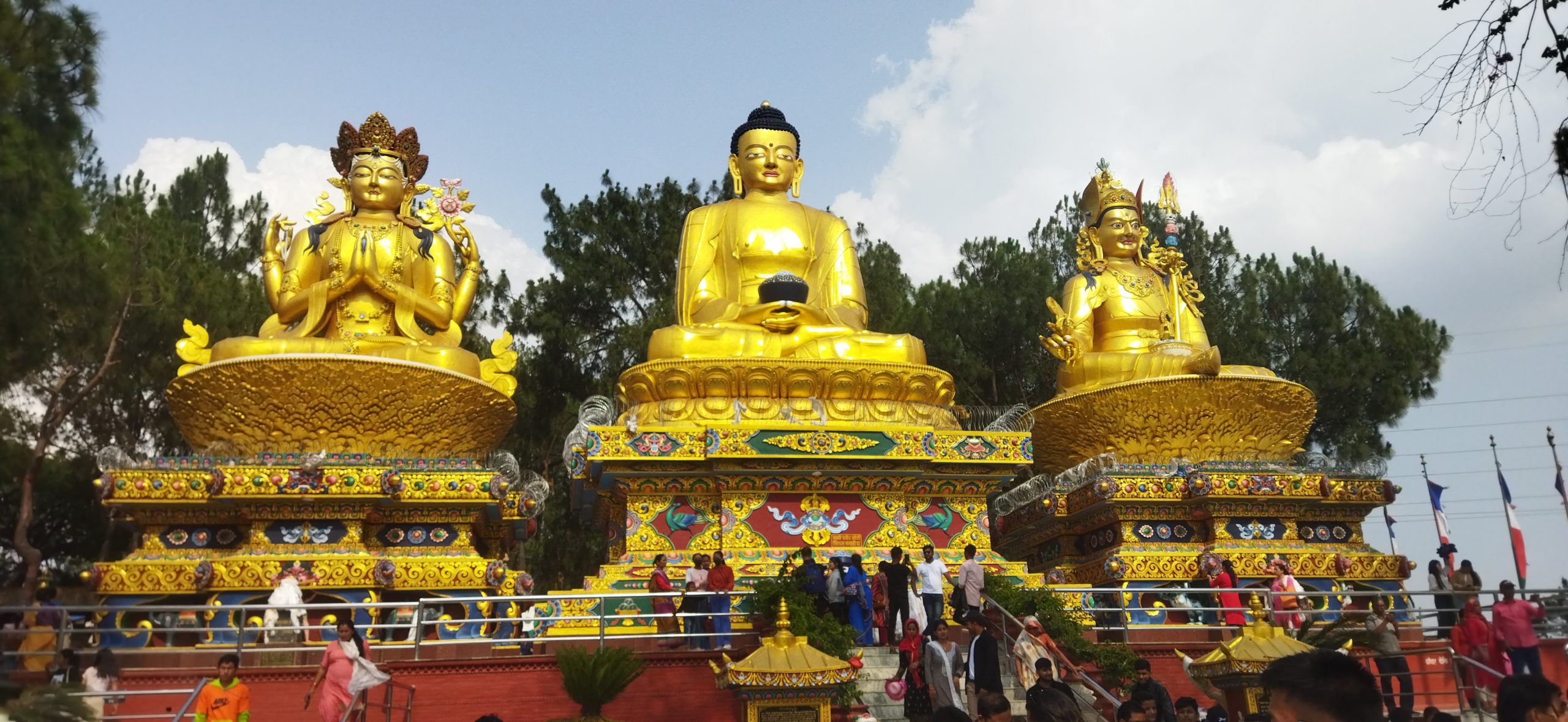
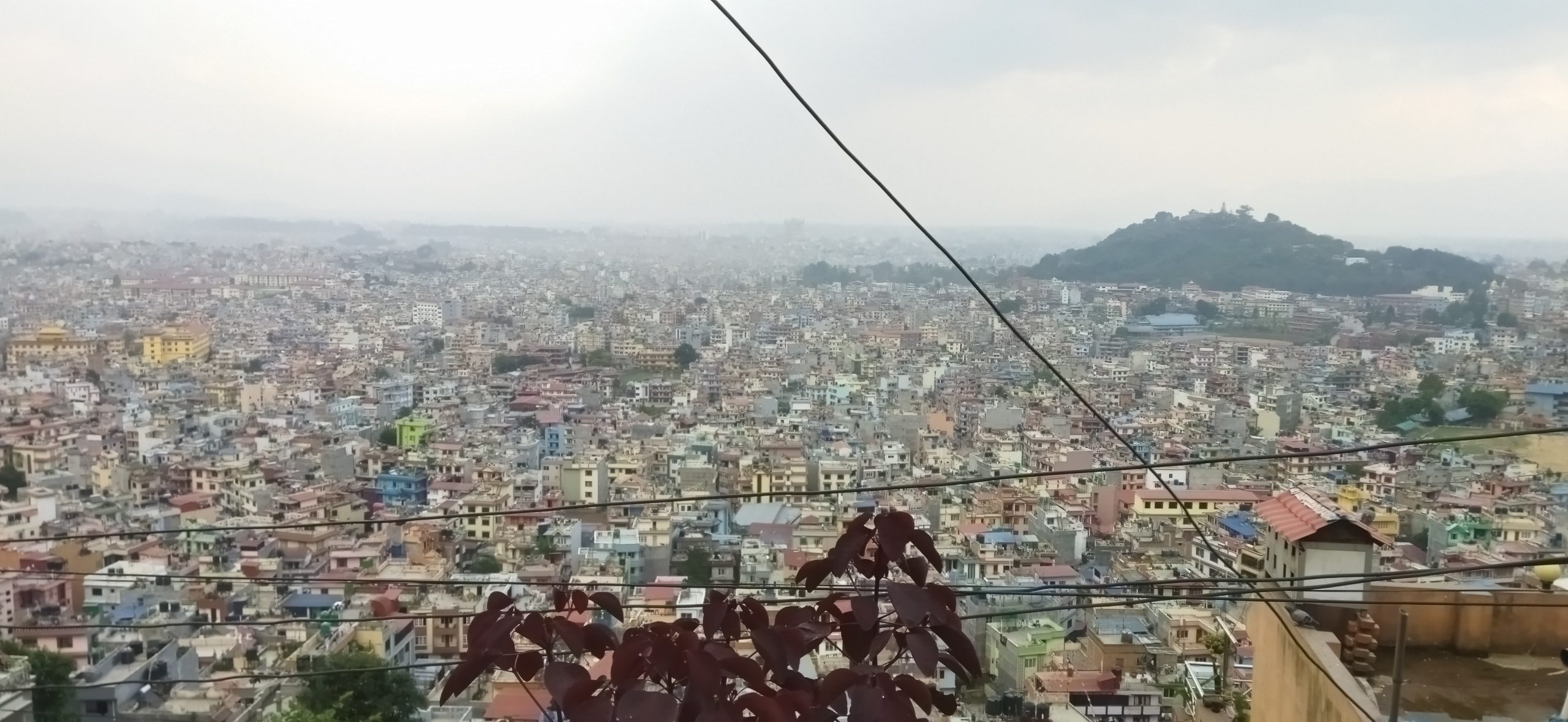
Recently I had been to Swayambhunath temple and White gumba.  Please check the photos below of Swayambhunath and White Gumba.

Swayammbhunath swayambhu pictures

Swoyambhu stupa buddha statue

The gate

Kathmandu city from swoyambhu siphal

The sky

Sitting in front of monastry gate

White gumba seto gumba, white monastry pictures

Mahadev temple gate

A ride white gumba

Monastery gate

©All rights to Dr. Chaitanya. Downloading and reusing if prohibited without permission in written. 
Visit: doctorhealthrx.com for health related content.

Yuca Fries 5 health benefits according to scientists now!

Yuca fries: How to make them 2023?

 
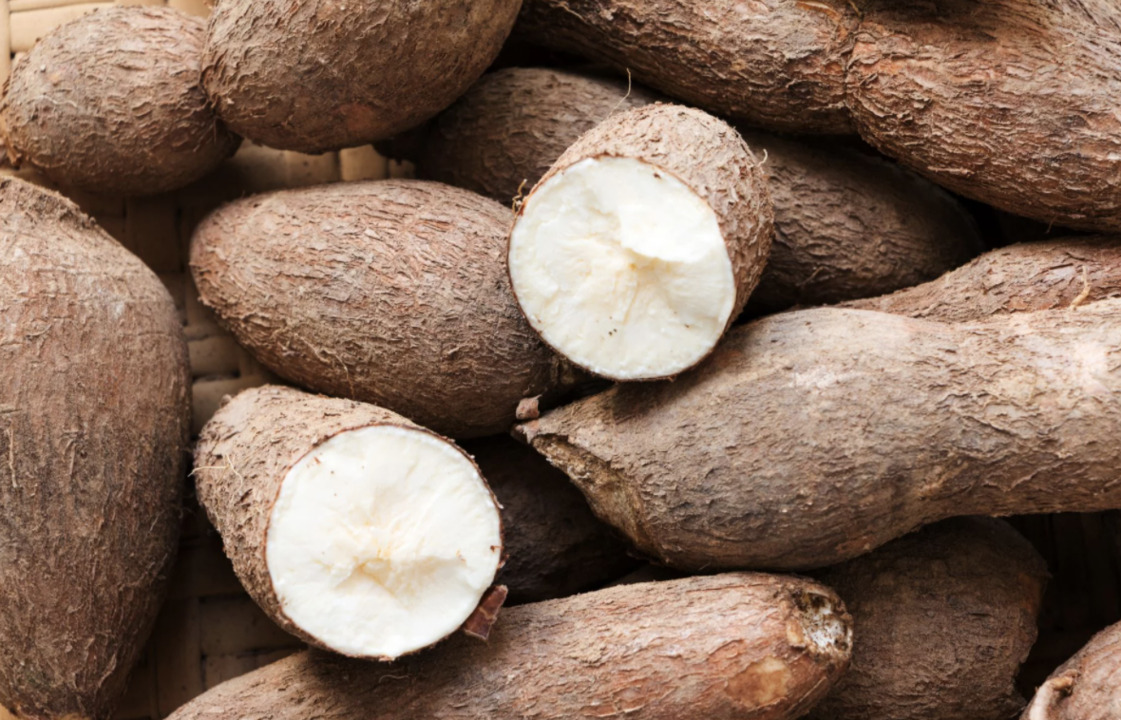
Yuka fries cassava fries french fries alternative


Introduction to yuka


Yuka is a perinneal shrub with wiidy tem from around southern and northern america.
 

Types of Yuka recipe

Different types of recipes are possible with Yuka plant. These are listed below.
  1. Yuka fries
  2. Yuka boiled
  3. Yuka salad
  4. Cakes
  5. Pudding

Yuka fries recipe

Yuka fries is one of the famous recipe worldwide.
 

Steps of making yuka fries recipe

Yucca fries, also known as cassava fries, are a delicious and crispy alternative to traditional potato fries. Here are the steps to make yucca fries:
raw yuka before making yuka fries

Ingredients:

  1. One large yucca root (cassava)
  2. Vegetable oil, for frying
  3. Salt, to taste
  4. Optional: any preferred seasoning or spices (e.g., paprika, garlic powder, etc.)
 

Instructions:

 
  1. Peel the yucca: Start by cutting off the ends of the yucca root with a sharp knife. Then, use a vegetable peeler or a knife to remove the thick, waxy skin from the yucca. Make sure to remove all the brown outer layer to reveal the white flesh inside.
  2. Cut the yucca into fry shapes: Slice the yucca root in half lengthwise, and then cut each half into long, thin strips, just like you would cut regular potato fries. You can adjust the thickness according to your preference, but aim for relatively uniform sizes to ensure even cooking.
  3. Boil the yucca: Fill a large pot with water and bring it to a boil. Add the yucca fries to the boiling water and cook for about 5-7 minutes until they are partially cooked but still firm. This step helps to soften the yucca and speeds up the frying process.
  4. Drain and cool: Drain the partially cooked yucca fries in a colander and let them cool down for a few minutes. This will help remove excess moisture from the surface, making them crispier when fried.
  5. Preheat the oil: In a deep fryer or a large, heavy-bottomed pot, add enough vegetable oil to submerge the yucca fries completely. Preheat the oil to around 350°F (175°C). If you don’t have a thermometer, you can test the oil readiness by adding a small piece of yucca; it should sizzle immediately without burning.


    Yuca fries french fries


  6. Fry the yucca: Carefully add the yucca fries to the hot oil in batches to avoid overcrowding the fryer. Fry them for about 3-5 minutes or until they turn golden brown and crispy. Stir them occasionally during frying to ensure even cooking.
  7. Drain and season: Using a slotted spoon, remove the fried yucca fries from the oil and place them on a plate lined with paper towels to drain any excess oil. Immediately sprinkle them with salt and any other desired seasoning while they are still hot.
  8. Serve and enjoy: Yucca fries are best enjoyed immediately while they are still hot and crispy. Serve them as a delicious side dish or a snack, and optionally pair them with your favorite dipping sauce or salsa.
Enjoy your homemade yucca fries!

Nutritional values off yuca fries

(per serving of around 100 gram)
  1. Total Calories: 300 calories
  2. Fat: 25%
    1. saturated fat 8%
  3. Cholesterl: 0%
  4. Sodium: 12 gm
  5. Total carbohydrate: 12%
  6. Dietary fiber: 6%
  7. Protein: 1.2gram
  8. Potassium: 240 mg
  9. Vitamins and minerals: Vitamin A, C and E, Iron, calcium and selenium available.
 
Thank you for reading. 
If you have any queries please feel free to comment down below. 
 
Subscribe to our youtube channe at https://www.youtube.com/@cjoshi0
 

5 Things about Yuks: What is casava or yuca? Is Yuca good for health in 2025?

Introduction:

If you’re looking for a healthy and tasty alternative to potatoes, yuca or cassava might be just what you need. This starchy root vegetable, also known as manioc, is a staple food in many parts of the world, from South America and Africa to Asia and the Caribbean. But is yuca or cassava healthy? And what are some of the most popular ways to cook and serve it? Let’s find out.

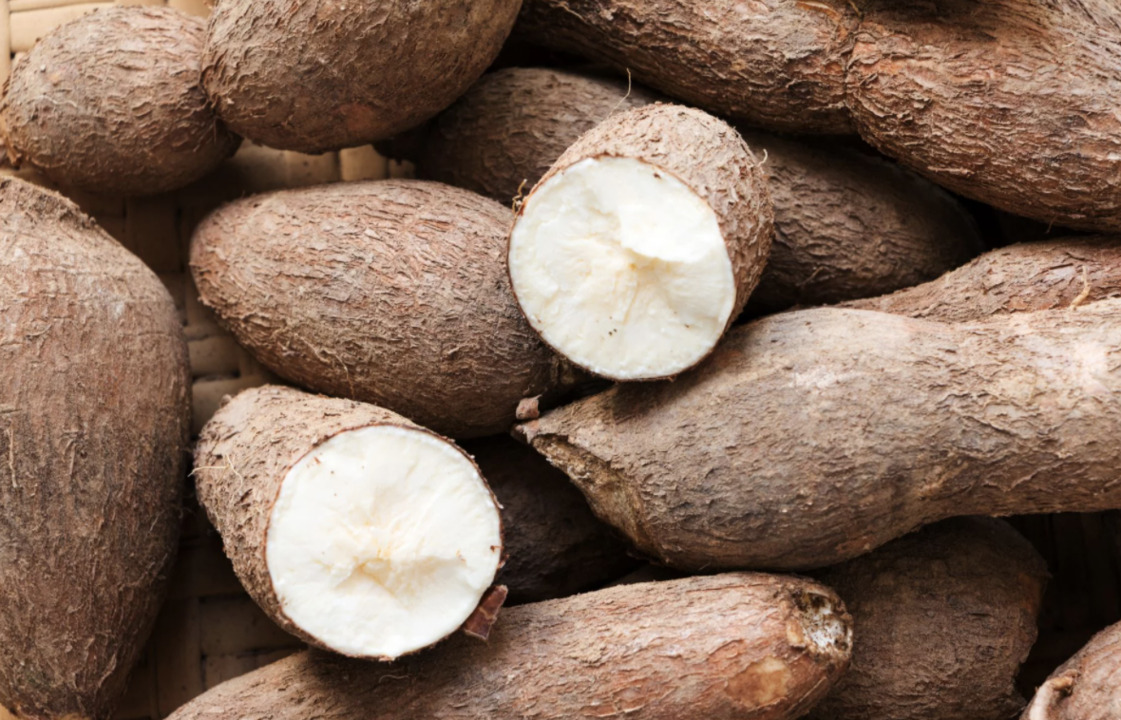
cassava or yuka

Is Yuca or Cassava Healthy?


Yuca or cassava is a great source of carbohydrates, fiber, and various vitamins and minerals. Here are some of the health benefits of this versatile root vegetable:


  • Yuca or cassava is rich in resistant starch, which can improve digestive health, lower blood sugar levels, and promote satiety and weight loss.
  • Yuca or cassava is a good source of vitamin C, which can boost immunity, collagen production, and iron absorption.
  • Yuca or cassava is a decent source of potassium, which can regulate blood pressure, fluid balance, and muscle function.
  • Yuca or cassava is low in fat and cholesterol, which can benefit heart health and overall health.


However, it’s worth noting that yuca or cassava also contains cyanide, a toxic substance that can cause poisoning if consumed in large amounts. To avoid this risk, make sure to peel and cook yuca or cassava properly before eating it.

Continue reading 5 Things about Yuks: What is casava or yuca? Is Yuca good for health in 2025?

Pneumonia and chest infections MCQ FOr 2025 : NHPC, NNC, MEC and NMC

Pneumonia and respiratory infection  illness

Table of Contents (toc)

DEFINITION: 

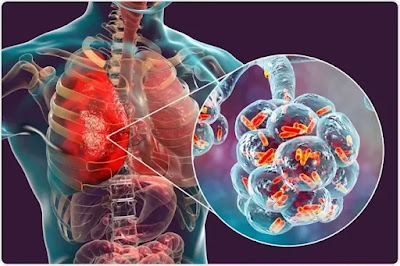
chest anatomy

Pneumonia is an infection of the pulmonary parenchyma

Factors that predispose to pneumonia 

  • Cigarette smoking 
  • Upper respiratory tract infections 
  • Alcohol 
  • Corticosteroid therapy 
  • Old age 
  • Recent influenza infection 
  • Pre-existing lung disease 
  • HIV 
  • Indoor air pollution 
Classification: setting in which the person has contracted their infection

Community-acquired pneumonia (CAP) definition :

   It   occurs  outside hospital setting or less than 48 hours after admission

Hospital-acquired pneumonia (HAP):

       Hospital-acquired or nosocomial pneumonia refers to a new episode of pneumonia occurring at least 2 days after admission to hospital. 
Contd…

Health care-associated pneumonia (HCAP) :

      refers to the development of pneumonia in a person who has spent at least 2 days in hospital within the last 90 days, attended a haemodialysis unit, received intravenous antibiotics, or been resident in a nursing home or other long-term care facility. 

Immunocompromised host :

Neutropenic, HIV +, Cancer,Mycobacterium tuberculosis, Pneumocystis jiroveci ,Immunosuppressives  

Classification by site of pneumonia

Lobar pnemonia :

Infection can be localized with the whole of one or more lobes affected. >90% of the cases is due to Strep.pneumoniae

Interstitial Pneumonia

Inflammation confined to interalveolar septa
Mycoplasma pneumoniae, Pneumocystis jiroveci

Bronchopnemonia:

often due to infection centred on the bronchi and bronchioles
Staphylococcal pneumonia

CLASSIFICATION BY ETIOLOGY

PRIMARY PNEUMONIA (due to specific pathogenic organism)

Common: 
  • Streptococcus pneumoniae, Haemophilus influenzae, Moraxella catarrhalis, Staphylococcus aureus
Less common:
  • Klebsiella pneumoniae, Strep pyogenes, Pseudomonas aeruginosa, Virus: H1N1 Influenza Virus, Corona Virus

 ATYPICAL PNEUMONIA)**

**Mycoplasma pneumoniae, Legionella, Chlamydophila, and Coxiella burnetii

2. SECONDARY PNEUMONIA

(absence of any specific pathogenic organism in sputum and presence of some pre-existing abnormality of respiratory system)
  • Aspiration of pus from nasal sinuses
  • Vomitus
  • Aspiration of gastric contents in GERD
  • Inhalation of septic matter during procedures like dental extraction
  • Community-acquired pneumonia (CAP) 
  • World-wide, CAP continues to kill more children than any other illness. 
  • Most cases are spread by droplet infection
  •  Strep. pneumoniae  remains the most common infecting agent
  • Viral infections are an important cause of CAP in children 

Clinical features of CAP

The clinical presentation varies according to the immune state of the patient and the infecting agent.
Cough: In pneumococcal pneumonia, sputum is characteristically rust-coloured. 
 Breathlessness: Coarse crackles are often heard on auscultation,  Bronchial breath sounds may be heard over areas of consolidated lung.
 Fever: this can be as high as 39.5–40°C. If swinging fevers are present this often indicates empyema 
Clinical features
Chest pain: this is commonly pleuritic in nature. A pleural rub may be heard early on in the illness.
Extrapulmonary features : 
Haemolysis due to cold agglutinins occurs (in approximately 50% cases of Mycoplasma pneumonia). Thrombocytopenia is relatively common.
Other features: in the elderly, CAP can present with confusion or nonspecific symptoms such as recurrent fall.

Initial Assessment

INVESTIGATIONS

  1. CBC and DLC: Leucocytosis suggests bacterial pneumonia. In viral and atypical pneumonias, total leucocyte count is often less 5000/m3.
  2. CRP levels are raised.
  3. Blood culture: Recommended only in hospitalized patients, particularly in case of pneumococcal pneumonia
  4. Respiratory secretions: Do Gram Stain and Ziehl Neelsen Stain. Culture and Sensitivity.
  5. Pulse oximetry and arterial blood gas analysis is necessary if oxygen saturation is below 94%.
  6. HIV testing: since pneumonia is a common initial presenting illness 

Investigations for pnneumonia

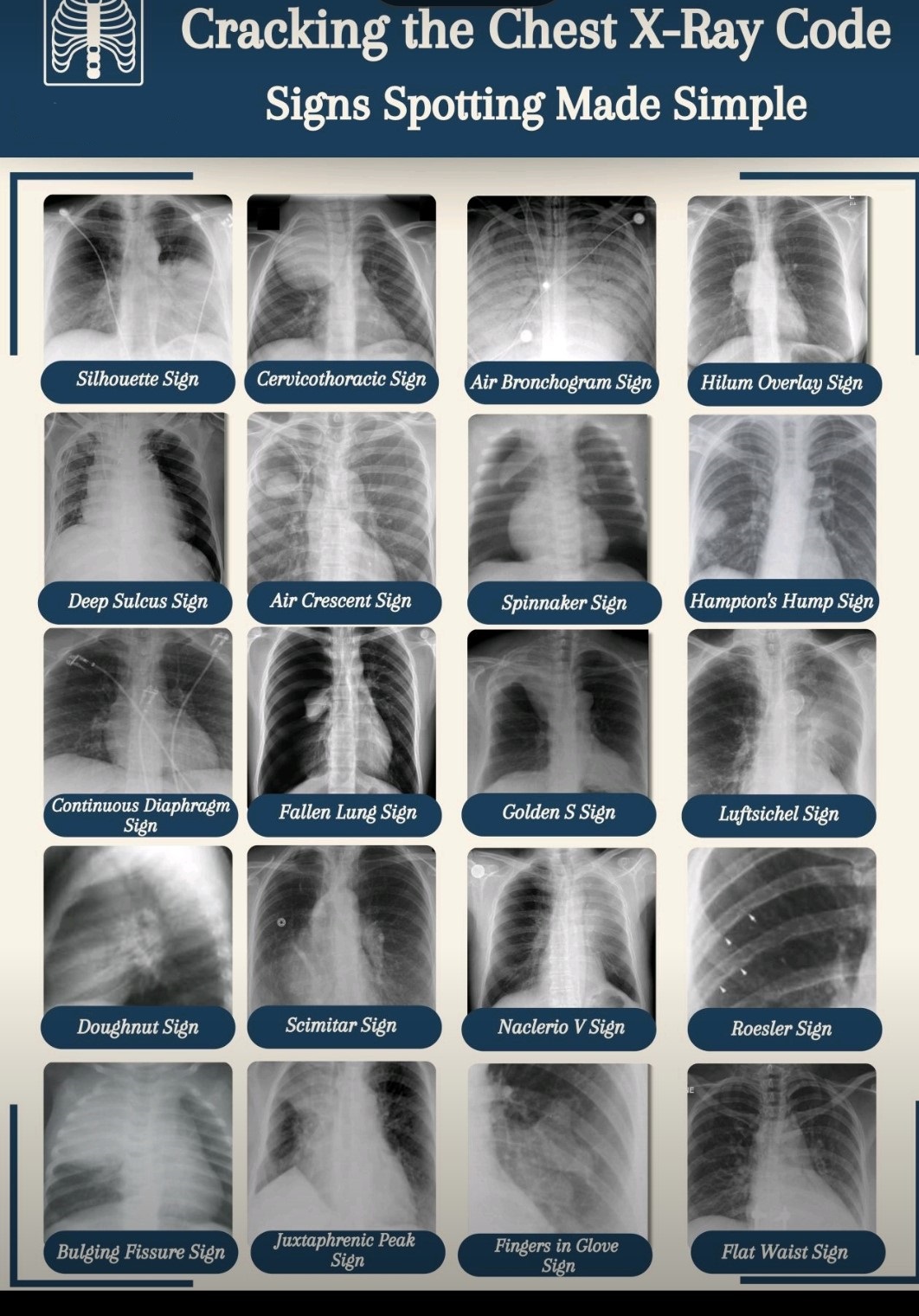
Chest x-ray

Strep. Pneumoniae : Consolidation with air bronchograms, effusions and collapse can  be seen. Radiological abnormalities can lag behind clinical signs. 
     Repeat a normal chest X-ray where CAP is suspected
Mycoplasma. Usually one lobe is involved but infection
    can be bilateral and extensive.
Legionella: There is lobar and then multi-lobar  shadowing
 Radiological examination is helpful if a complication such as parapneumonic effusion, intrapulmonary abscess formation or empyema is suspected. 

General management of pneumonia

Oxygen :Supplemental oxygen should be administered to maintain saturations between 94% and 98%
Intravenous fluids : Required in hypotensive patients
     showing any evidence of volume depletion.
Thromboprophylaxis. If admitted for >12 hours
 Physiotherapy: Chest physiotherapy is not needed unless sputum retension
Nutritional supplementation:
Analgesics : paracetamol ,  Non steroidal anti-inflammatory medication helps treat pleuritic pain, thereby reducing the risk of further complication

Management continued

Antibiotics. The first dose of antibiotic should be
     administered within 4 hours of presentation 
Parenteral antibiotics should be switched to oral once
      the temperature has settled for a period of 24 hours

MANANGEMENT: ANTIBIOTICS

COMPLICATIONS OF PNEUMONIA

  • Para-pneumonic effusion-common 
  • Empyema
  • Retention of sputum causing lobar collapse 
  • Development of thromboembolic disease 
  • Pneumothorax-particularly with Staph. aureus 
  • Suppurative pneumonia/lung abscess
  • ARDS, renal failure, multi-organ failure 
  • Hepatitis, pericarditis, myocarditis, meningoencephalitis 

Prevention of further episodes

  • Smoking cessation advice and support

Influenza vaccination is recommended to those at high risk of mortality from influenza or pneumonia
All patients over the age of 65 who have not previously been vaccinated and are admitted with CAP should have the pneumococcal vaccine before discharge 

Pneumonia MCQs

Dr Chaitanya
1

Most common symptom of the respiratory disease is?

  1. a) Wheeze
  2. b) Cough
  3. c) Fever
  4. d) Hemoptysis
Ans:
B cough
2

Common sound heard on auscultation in pneumonia is

  1. Rales
  2. Ronchi
  3. Wheeze
  4. Crackles
crackles
3

An old man comes to u with complaint of fever for 4 days and cough associated with chills. On examination the patient is in respiratory distress and AND HAS HIGH GRADE FEVER OF 104 DEGREE FAHRENHEIT.  The most possible diagnosis is

  1. COPD
  2. PTB
  3. Bronchial asthma
  4. Pneumonia
Pneumonia
4

A pus sample is called purulent if

Pneumonia depiction
  1. Pus cells > 25 and epithelial cells < 10
  2. Pus cells > 15 and epithelial cells < 5
  3. Pus cells > 30 and epithelial cells < 10
  4. Pus cells > 20 and epithelial cells < 5
A. Pus cells > 25 and epithelial cells < 10
5

A patient who is known case of COPD under medication has complained of increased shortness of breath. He said that he could walk on plane level with his friends easily but now he needs to take break every 100 m or so due to shortness of breath. What is the mMRC grade of SOB for this patient?

  1. 1
  2. 2
  3. 3
  4. 4
  5. 0
3

6 Difficulty in breathing is called

  1. Dyspnoea
  2. Orthopnoea
  3. Tachypnoea
  4. Apnoea
Dyspnoea
7

Which organism causes the so called walking pneumonia (Hint: atypical pneumonia)

  1. Streptococcus
  2. Klebsiella
  3. H1n1
  4. SARS-CoV2
  5. Mycoplasma
Mycoplasma
8

HAP is called if symptoms/diagnosis

  1. Within 2 days of admission
  2. After 48 hours of admission
  3. 2 days of admission to 2 days of discharge
  4. If patient admitted to ICU
2 days of admission to 2 days of discharge
9

Common causative agent for congenital or neonatal oneumonia is

  1. H. influenziae
  2. Chlamydia pneumoniae
  3. Streptococcus pneumoniae
  4. Broup B streptococcus
Gr. B strep
10

In CURB 65 scoring B stands for

  1. Blood urea nitrogen
  2. Blood count
  3. Blood pressure 
  4. Breathing
Blood pressure ( sys<90 or dias <60)
11

Lung abscess following pneumonia is caused by

  1. Staphylococcus
  2. Streptococcus
  3. Pneumocystis
  4. Coronavirus
Staphylococcus
12

Antibiotic of choice for CAP in OPD setting is

  1. Amoxycillin
  2. Ciprofloxacin
  3. Metronidazole
  4. Doxycycline
Amoxycillin
13

Pneumothorax is

  1. Hyperexpansion of lungs
  2. Air in thoracic cavity
  3. No breathing by lungs
  4. Lung mixed with ait
Air in thoracic cavity
14

Your patient has BP of 130/90 mm of Hg. What is his MAP

  1. 103
  2. 101
  3. 109
  4. 122

What is his pulse pressure in above case

  1. 103
  2. 40
  3. 20
  4. 90
103 and 40
Thank you

Thank you for visiting the site.. waiting for your responses. 

Mycoplasma pneumonia : The dangerous walking talking pneumonia


Mycoplasma pneumonia : The dangerous walking talking pneumonia

Table of Contents (toc)

Introduction

Mycoplasma pneumonia is a common cause of respiratory tract infections in
adolescents. It can present with fever, cough, and infiltrates on chest X-ray.
In some cases, mycoplasma infection can also cause skin manifestations such as
vesicles or blisters.

Presenting symtoms of mycoplasma pneumonia

The patient is presenting with symptoms suggestive of Mycoplasma pneumonia,
including fever, cough, and infiltrates on chest X-ray. The presence of
vesicles or blisters on the skin further supports the possibility of
Mycoplasma-induced skin manifestations.

57.Following drugs are effective against Mycoplasma pneumoniae except:

a. Clarithromycin

c. Amoxycillin

b. Rifampicin

d. Doxycycline

T

Ans: ‘c’

Solution

Mycoplasma pneumoniae lacks cell wall. Bacterial membrane contains sterol for stability.

Antimicrobial activity of Amoxycillin is via inhibition of cell wall synthesis which has no role in Mycoplasma.

Penicillin ineffective since mycoplasma have no cell wall.

Treatment (Mycoplasma)

Macrolides

Doxycycline or

Fluoroquinolone

3

MOA

Macrolides

Clarithromycin

Azithromycion

inhibit protein synthesis by blocking translocation: blinds to 23srRNA of 50s ribosomal subunit

Bacteriostatic

Tetracyclines

Tetracycline

Doxycycline

Bind to 30S & prevent attachment of aminoacyl-t RNA Bacteriostatic

Rifamycin

Rifampin

Inhibit DNA dependent RNA polymerase

Rifabutin

Fluroquinolones

Ciprofloxacin

Norfloxacin

Levofloxacin

Inhibit prokaryotic

enzymes topo isomerase II (DNA gyrase) & topoisomerase IV.

FAQs:

1. Can Mycoplasma pneumonia cause skin manifestations? 

Yes, in some cases, Mycoplasma pneumonia can cause skin manifestations such as
vesicles or blisters.

2. How is Mycoplasma pneumonia diagnosed? 

Mycoplasma pneumonia can be diagnosed through serological testing for
Mycoplasma antibodies or PCR testing for Mycoplasma DNA in respiratory
samples.

3. What is the treatment for Mycoplasma pneumonia? 

The treatment for Mycoplasma pneumonia involves the use of antibiotics such as
macrolides or tetracyclines.

4. Is Mycoplasma pneumonia contagious? 

Yes, Mycoplasma pneumonia is contagious and can spread through respiratory
droplets.

5. Can Mycoplasma pneumonia cause complications? 

Yes, Mycoplasma pneumonia can lead to complications such as pneumonia,
bronchitis, or ear infections.

{
“@context”: “https://schema.org”,
“@type”: “FAQPage”,
“mainEntity”: [{
“@type”: “Question”,
“name”: “1. Can Mycoplasma pneumonia cause skin manifestations?”,
“acceptedAnswer”: {
“@type”: “Answer”,
“text”: “Yes, in some cases, Mycoplasma pneumonia can cause skin manifestations such as vesicles or blisters.”
}
},{
“@type”: “Question”,
“name”: “2. How is Mycoplasma pneumonia diagnosed?”,
“acceptedAnswer”: {
“@type”: “Answer”,
“text”: “Mycoplasma pneumonia can be diagnosed through serological testing for Mycoplasma antibodies or PCR testing for Mycoplasma DNA in respiratory samples.”
}
},{
“@type”: “Question”,
“name”: “3. What is the treatment for Mycoplasma pneumonia?”,
“acceptedAnswer”: {
“@type”: “Answer”,
“text”: “The treatment for Mycoplasma pneumonia involves the use of antibiotics such as macrolides or tetracyclines.”
}
},{
“@type”: “Question”,
“name”: “4. Is Mycoplasma pneumonia contagious?”,
“acceptedAnswer”: {
“@type”: “Answer”,
“text”: “Yes, Mycoplasma pneumonia is contagious and can spread through respiratory droplets.”
}
},{
“@type”: “Question”,
“name”: “5. Can Mycoplasma pneumonia cause complications?”,
“acceptedAnswer”: {
“@type”: “Answer”,
“text”: “Yes, Mycoplasma pneumonia can lead to complications such as pneumonia, bronchitis, or ear infections.”
}
}]
}


How to read chest X ray a systematic approach guide for everyone 2025

How to read chest X ray : a systematic approach guide for everyone

How to read chest X ray
Table of Contents(toc)

Step-by-Step Guide: How to Read a Chest X-Ray

1. Prepare for the Interpretation

  • Understand the Context:
    • Know the patient’s clinical history (e.g., symptoms, past medical history, and reason for the X-ray).
    • Ensure you have the correct patient’s X-ray.
  • Positioning:
    • Confirm the X-ray is in the correct orientation: the patient’s left side is typically on your right.

2. Check the Technical Quality of the X-Ray

  • P: Position:
    • Confirm if it’s an anteroposterior (AP) or posteroanterior (PA) view.
    • Lateral view may also be provided.
  • I: Inspiration:
    • Count visible ribs: 6 anterior or 10 posterior ribs above the diaphragm indicate adequate inspiration.
  • R: Rotation:
    • Check if the spinous processes are equidistant from the medial ends of the clavicles.
  • P: Penetration:
    • A good X-ray allows you to see the vertebrae behind the heart faintly.

3. Systematically Analyze the X-Ray

Follow an organized approach to ensure you don’t miss anything:

A: Airways

  • Check for tracheal deviation or narrowing.
  • Ensure the carina and bronchi are in their normal positions.

B: Bones and Soft Tissues

  • Inspect ribs, clavicles, scapulae, and spine for fractures or deformities.
  • Evaluate soft tissues for masses, swelling, or air (e.g., subcutaneous emphysema).

C: Cardiac Silhouette

  • Assess the size and shape of the heart.
    • Cardiothoracic ratio: Heart should occupy less than 50% of the thoracic width on a PA view.
  • Look for abnormal contours indicating conditions like cardiomegaly or pericardial effusion.

D: Diaphragm

  • Check the position and shape.
    • The right hemidiaphragm is normally higher than the left due to the liver.
    • Look for free air under the diaphragm (indicative of perforation).

E: Effusion and Pleura

  • Inspect for pleural effusion, thickening, or pneumothorax.
  • Effusions typically show a blunting of costophrenic angles.

F: Fields (Lungs)

  • Examine lung fields for opacities, consolidations, nodules, or masses.
  • Look for interstitial markings, which may indicate fibrosis, edema, or infection.
  • Compare the left and right lungs for symmetry.

G: Gastric Bubble

  • A normal gastric bubble is visible below the left hemidiaphragm.
  • Absence or displacement can indicate abnormality.

H: Hilar Structures

  • Assess for lymphadenopathy, enlargement, or masses.
  • Evaluate vascular markings for signs of pulmonary hypertension or congestion.

4. Correlate Findings with Clinical Context

  • Connect radiological findings with the patient’s symptoms and clinical history.
  • Example:
    • Consolidation with air bronchograms: Pneumonia.
    • Blunted costophrenic angles: Pleural effusion.
    • Hyperinflation with flattened diaphragms: COPD.

5. Summarize the Findings

  • Formulate a concise and clear report:
    • Mention any abnormal findings.
    • Include observations about lung fields, heart size, diaphragm, and pleura.
    • Suggest differential diagnoses if abnormalities are found.

6. Seek Expert Opinion if Needed

  • If unclear or complex findings are observed, consult a radiologist or experienced physician.

Tips for Effective Interpretation

  • Practice a consistent approach to avoid missing subtle findings.
  • Compare with previous X-rays if available for changes over time.
  • Be aware of common artifacts (e.g., ECG leads, clothing, or foreign bodies).

This methodical guide ensures thorough and accurate chest X-ray interpretation!

How to read chest X ray

Urinary tract infections and calculus UTI and renal stones (nepphrolithiasis), bladder stones 2025

Urinary tract infections and calculus UTI and renal stones (nepphrolithiasis), bladder stones 

Table of contents (toc)

Introduction to UTI

A urinary tract infection (UTI) is an infection in any part of the urinary system, which includes the kidneys, ureters, bladder, and urethra. Most infections involve the lower urinary tract, specifically the bladder and urethra. UTIs are typically caused by bacteria, most commonly Escherichia coli (E. coli), that enter the urinary tract through the urethra and begin to multiply in the bladder. 

Symptoms of uti

Symptoms of a UTI can include a strong, persistent urge to urinate, a burning sensation when urinating, passing frequent, small amounts of urine, urine that appears cloudy, or urine that has a strong odor. If the infection spreads to the kidneys, it can cause more severe symptoms, including fever, back pain, and nausea.

Treatment of UTI

UTIs are more common in women than in men, and they can usually be treated effectively with antibiotics.


Introduction to Nephrolithiasis

Nephrolithiasis, commonly known as kidney stones, refers to the formation of hard mineral and salt deposits in the kidneys. These stones can vary in size and may develop when urine becomes concentrated, allowing minerals to crystallize and stick together. 

Symptoms of kidney stones

Kidney stones can cause severe pain when they pass through the urinary tract. Symptoms may include intense pain in the back or side, pain during urination, blood in the urine, and sometimes nausea and vomiting. The pain often starts suddenly and may come in waves as the stone moves. 

Type of kidney stones

The main types of kidney stones include calcium stones (the most common type), struvite stones (which can form after a urinary tract infection), uric acid stones, and cystine stones (which are rare and usually occur in people with a genetic disorder). 

Treatment of kidney stones

Treatment for nephrolithiasis depends on the size and type of stone. Smaller stones may pass on their own with increased fluid intake and pain management, while larger stones may require medical intervention, such as extracorporeal shock wave lithotripsy (ESWL) to break the stone into smaller pieces, or surgical removal. Preventative measures often include dietary adjustments and medications to reduce the risk of recurrence.


See the complete powerpoint presentation here. 

Female urethra dilation: things you should know before you meet your urologist in 2025

Introduction of urethral dilation in female: 30 causes of painful intercourse

Table of Contents(toc)
female genitourinary system


Urethra dilation is a delicate medical procedure done underanesthesis by a urologist or urosurgeon. The procedure is done after careful evaluation and by well trained professionals. Before going deeper into female urethra dilation lets review anatomy of female urethra in brief.
Urethral structure if pathological narrowing of urethra due to different reasons leading to difficulty passing urine and various other symptoms and consequences.

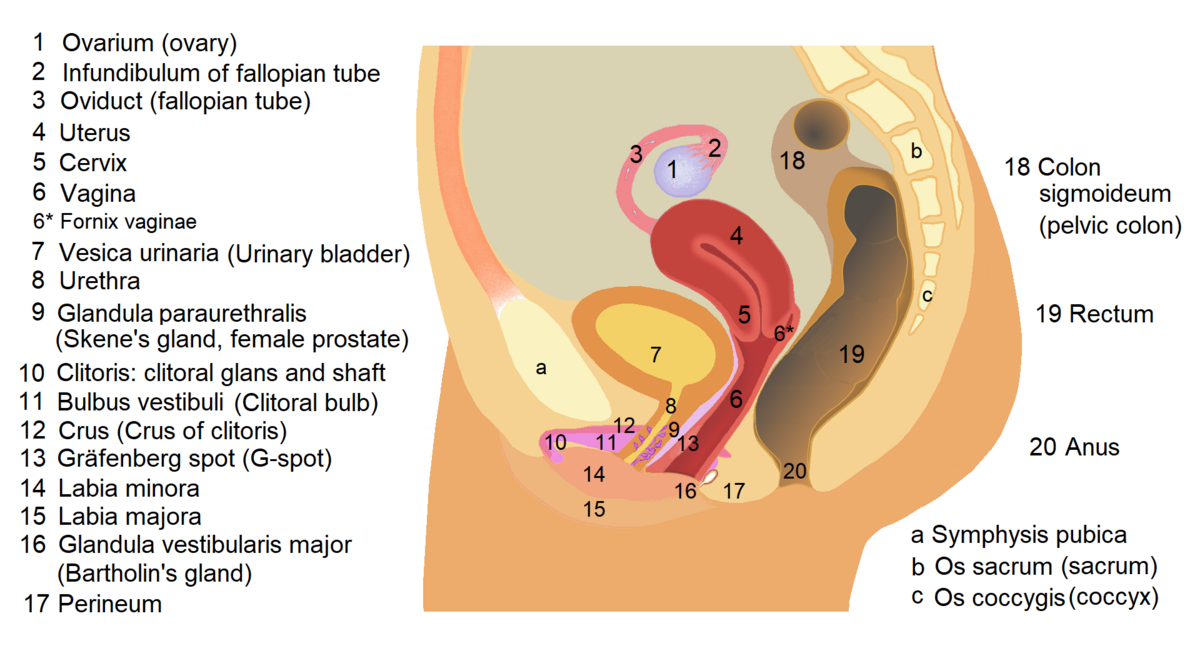
Anatomy of female urethra

Female urethra is tubular musculocutaneous organelle situation in genital region of female that connects bladder to the outer world. The urethra carries urine from bladder to the outside. The flow of urine from bladder is controlled by two valves viz. Internal and external urethral valves. The internal urethral valve is controlled by autonomic nervous system while external is under voluntary control. The overall length of fenale urethra is 4 centimetres or 1.5 inches.
 (Source: Textbook of anatomy 7e, Moore et al. )
Female urinary system anatomy 

Indications of urethral dilation : an introduction

  1. Stricture
  2. Trauma
  3. Prostate problems 
  4. Adhesion
  5. Mass effect
  6. Pelvic organs prolapse
(Source: Uptodate.com)

Sex after female urethra dilation

Sexual intercourse after female urrthra dilatation may become difficult rarely. Difficult or painful sexual intercourse is called dysparaunia and it may have several other causes including vaginal infection, dry vagina and many more listed as below. 

Read this also: Vitamin D and role of kidney in it

Causes of painful sexual intercourse

Painful sexual intercourse or dyspareunia can be because of external genital problems to internal vaginal, uterine or pelvic disorders. Urethra also being near vagina can be the reason for dyspareunia where as other nearby organs and structures can also be part of it. It is also called genitopelvic pain. The causes of painful intercourse can be listed as below:

  1. Vulvovaginal atrophy 
  2. Endometriosis
  3. Physical assault
  4. Sexual assaults
  5. Emotional and mental trauma
  6. Abuse
  7. Gastrointestinal causes
  8. Constipation
  9. Vulvar skin atrophy
  10. Vulvar cancer
  11. Lichen
  12. Condyloma, HPV
  13. Fibromyalgia
  14. Musculoskeletal
  15. Vulvodynia
  16. Vaginismus
  17. Vestibulodynia
  18. Vulvitis
  19. Vaginitis
  20. Adenomyosis
  21. Uterine fibroids
  22. PID /infection
  23. Pelvic adhesive disease
  24. Ovarian mass
  25. Diabetes
  26. Thyroid disorders
  27. Vitamin deficiency
  28. Hormone imbalance (estrogen, progesterone)
  29. Cancers
(Source: Medscape.com)
Anatomy of female urinary system 

Extreme female urethra dilation

The flow of urine from bladder is controlled by two valves viz. Internal and external urethral valves. The internal urethral valve is controlled by autonomic nervous system while external is under voluntary control.

Extreme female urethra dikagyrefers to dilating urethra above the normal anatomical diameter as expected of that age. 

This will be done in case of following indications

  1. Severe structure 
  2. Recurring stricture
  3. Severe trauma
  4. Bladder infections
  5. Prostate problems
  6. Uncured symptoms despite previous procedure
  7. Risk of need for repeated procedure
  8. Co-morbidities

When to visit a doctor after urethra dilation?

Female sexual dysfunction/disorders list

  1. Female sexual interest disorder
  2. Female sexual arousal disorder
  3. Female sexual pain disorder
  4. Female sexual penetrative disorder
  5. Female orgasmic disorder 

Aseptic Meningitis (Viral Meningitis) definition, diagnosis and treatment in 2025

Lecture on Aseptic Meningitis (Viral Meningitis) lecture 2025

Table of contents (toc)
 Aseptic Meningitis (Viral Meningitis)

Definition of aseptic meningitis:

Aseptic meningitis is a clinical term for an illness comprising meningeal
irritation, fever, and alterations in consciousness of relatively acute
onset. 
  • The clinical course is less fulminant than in pyogenic
    meningitis.  
  • In contrast to pyogenic meningitis, examination of the CSF often shows
    lymphocytosis, moderate protein elevation, and a normal glucose
    level. 
  • The disease typically is self-limiting

Causes and causative agents of viral meningitis

Viruses: 

  • Arboviral (mosquito-borne) diseases
  • Influenza 
  • LaCrosse Encephalitis virus
  • West Nile Virus
Common; Usually clears up in 1-2 weeks with no specific treatment

Rarely
serious infection of fluid in the spinal cord or fluid that surrounds
the brain
Also called aseptic meningitis

Signs and symptoms of aseptic meningitis:

  • Usually occur one week after exposure
  • Fever
  • Headache
  • Stiff neck
  • Tiredness
  • Sore Throat
  • Vomiting
  • Photophobia

Treatment and prevention of aseptic meningitis:

  • No specific treatment for viral meningitis
  • Antibiotics do not work on viruses.
  • Pay careful attention to personal hygiene.
  • Good hand-washing helps prevent spread of infection and viruses.

Danger Signs of Meningitis

The danger signs of meningitis (in both children and adults) include:

General Danger Signs:

  1. High fever (often sudden onset)
  2. Severe headache
  3. Neck stiffness (difficulty bending the neck forward)
  4. Photophobia (sensitivity to light)
  5. Altered mental status (confusion, drowsiness, difficulty waking up)
  6. Seizures
  7. Nausea and vomiting
  8. Cold hands and feet, limb pain, pale or mottled skin (signs of septicemia)

In Infants & Young Children:

  1. Bulging fontanelle (soft spot on the head)
  2. Poor feeding or refusing to eat
  3. High-pitched or weak cry
  4. Lethargy or extreme irritability
  5. Floppy body or stiffness

Signs of Meningococcal Septicemia (Emergency):

  1. Petechial or purpuric rash (non-blanching, red/purple spots)
  2. Rapid breathing or respiratory distress
  3. Shock (low blood pressure, weak pulse, altered consciousness)

⚠️ Seek immediate medical attention if any of these signs are present! Meningitis can rapidly progress to life-threatening complications.

To see the full powerpoint presentation click here

Wallace rule of 9: Shock and Burn ppt For NHPC, NNC, NMC and MEC 2025

Shock and Burn Powerpoint PPT : Loksewa, NMCLE, NNC, NHPC and MDMS MEC

Table of Contents(toc)

Introduction

Fire accidents are common type of injuries that happen in world daily basis. 
Shock is a clinical condition that results due to inadequate tissue perfusion.
A critical condition brought on by the sudden drop in blood flow through the body. 
May result from trauma, heatstroke, blood loss, an allergic reaction, severe infection, poisoning, severe burns or other causes. 
Occurs when the metabolic needs of cells are not met because of inadequate blood flow.
These two topics are very common in emergency managent and should be well taught to medical students, graduates and paramedics.

Signs and symptoms 

  1. Cool, clammy skin
  2. Pale or ashen skin
  3. Bluish tinge to lips or fingernails (or gray in the case of dark complexions)
  4. Rapid pulse
  5. Rapid breathing
  6. Nausea or vomiting
  7. Enlarged pupils
  8. Weakness or fatigue
  9. Dizziness or fainting
  10. Changes in mental status or behavior, such as anxiousness or agitation
    Burn with Fire

Types of Shock

  1. Hypovolemic Shock
  2. Cardiogenic Shock 
  3. Neurogenic Shock
  4. Anaphylatic Shock
  5. Septic Shock  

Introduction to BURN 

Burns are tissue damage that results from heat, overexposure to the sun or other radiation, or chemical or electrical contact. 
Wound with destruction of tissue due to coagulation necrosis.

Causes of burn

  1. Thermal burn/heat burn: dry heat
  2. Scald: moist heat 
  3. Electric burn: electricity 
  4. Cold burn: frost bite 
  5. Chemical burn: strong acid and alkali 
  6. Radiation burn: X-rays, Gamma rays

Degree of Burn Classification and grading

  1.  First degree – superficial thickness
  2.  Second degree – Partial or intermediate thickenss
  3. Third degree – Full thickness
  4. Fourth degree

Management of burn

  • Remove burning source immediately.
  • Wrap the patient in a cloth and roll him in the floor.
  • Immerse 10-15 minutes in water or cool down the burnt part in running water for 15 minutes
  • Give liquids orally. Provide analgesics and antibiotics.
  • Do not rupture blister.
  • TT injection 
  • First-degree burns: 
    • Run cool water over the burn. Don’t apply ice. For sunburns, apply aloe vera gel. For thermal burns, apply antibiotic cream and cover lightly with gauze. You can also take over-the-counter pain medication.
  • Second-degree burns: 
    • Treatment for second- and first-degree burns is similar. 
  • Stronger antibiotic – such as silver sulfadiazine, to kill bacteria
  • Elevating the burned area can reduce pain and swelling.
  • May need dressing to be applied
  • Third-degree burns:
    •  Third-degree burns can be life-threatening and often require skin grafts. Skin grafts replace damaged tissue with healthy skin from another of the uninjured part of the person’s body.

Wallace Rule of Nine

The Wallace Rule of Nines is a method used to estimate the total body surface area (TBSA) affected by burns. It divides the body into sections, each representing approximately 9% (or multiples thereof) of the total body surface area. The distribution is slightly different for adults and children due to differences in body proportions.

Wallace Rule of Nines for Adults:

  • Head and Neck: 9%
  • Each Arm: 9% (4.5% front, 4.5% back)
  • Each Leg: 18% (9% front, 9% back)
  • Anterior Torso (Chest and Abdomen): 18%
  • Posterior Torso (Back and Buttocks): 18%
  • Perineum/Genitalia: 1%

Wallace Rule of Nines for Children:

  • Head and Neck: 18% (larger proportion due to the relatively larger head size in children)
  • Each Arm: 9% (4.5% front, 4.5% back)
  • Each Leg: 14% (7% front, 7% back; less than in adults because legs are relatively shorter)
  • Anterior Torso (Chest and Abdomen): 18%
  • Posterior Torso (Back and Buttocks): 18%
  • Perineum/Genitalia: 1%

These percentages are used to help us quickly estimate the extent of burns and its severity, which is critical for determining the severity of the injury and guiding treatment decisions, such as fluid resuscitation and transfer to a specialized burn center.

Parkland Formula:

The Parkland formula, also known as the Baxter formula, is used to calculate the amount of fluid required for resuscitation in burn patients within the first 24 hours after injury. The formula is based on the patient’s weight and the total body surface area (TBSA) burned.
  • Total fluid requirement: 4 mL×body weight (kg)×% TBSA burned4 , text{mL} times text{body weight (kg)} times text{% TBSA burned}
  • Administration:
    • First 8 hours: Administer half of the total fluid requirement.
    • Next 16 hours: Administer the remaining half.

    Example for an Adult:

    If an adult weighs 70 kg and has 30% TBSA burns:

    • Total fluid requirement: 4×70×30=8,400 mL4 times 70 times 30 = 8,400 , text{mL}
    • First 8 hours: 8,400/2=4,200 mL8,400 / 2 = 4,200 , text{mL}
    • Next 16 hours: 4,200 mL4,200 , text{mL}
    The Parkland formula provides an initial guideline for fluid resuscitation, but ongoing assessment and adjustments based on the patient’s clinical response (urine output, vital signs, etc.) are critical for effective management.

    OTHER CONCEPTs on bubrn management

    1. Patient may require IV antibiotics for infection prevention/control
    2. If oral intake not possible IV fluids till oral can be started
    3. Topical antibiotics
    4. Vaseline gauze
    5. Scar prevention
    6. Contracture prevention/compartment syndrome
    7. Deformity prevention
    8. Scar prevention
    9. Alkali burn is more dangerous than acid burn- deep burn in alkali
    10. Electrolyte imbalance, fluid status and vitals and end organ monitoring in severe burns
    11. Rhabdomyolysis
    12. CO poisoning

    UPPER AIRWAY BURNS AND UGI BURNS

    1. Speciality vare needed
    2. To prevent long term disability and management of complications
    3. Do not try to neutralize acid with base or vice versa
    4. Warer is the best method to contro

    SPECIAL POPULATION

    • >10% BSA in <10 & >50 yrs
    • >20% BSA
    • Face, genitalia, major joints
    • Electrical/Chemical burns
    • Inhalational injury
    • Co-morbid diseases/injuries
    • Children with special needs

    Shock and Burn PPT

    Thank you for reading. 

    {
    “@context”: “https://schema.org”,
    “@type”: “FAQPage”,
    “mainEntity”: [{
    “@type”: “Question”,
    “name”: “What are Signs and symptoms of Burn?”,
    “acceptedAnswer”: {
    “@type”: “Answer”,
    “text”: “Cool, clammy skin
    Pale or ashen skin
    Bluish tinge to lips or fingernails (or gray in the case of dark complexions)
    Rapid pulse
    Rapid breathing
    Nausea or vomiting
    Enlarged pupils
    Weakness or fatigue
    Dizziness or fainting”
    }
    },{
    “@type”: “Question”,
    “name”: “What are Types of Shock?”,
    “acceptedAnswer”: {
    “@type”: “Answer”,
    “text”: “Hypovolemic Shock
    Cardiogenic Shock
    Neurogenic Shock
    Anaphylatic Shock
    Septic Shock”
    }
    },{
    “@type”: “Question”,
    “name”: “What are causes of Burn?”,
    “acceptedAnswer”: {
    “@type”: “Answer”,
    “text”: “Thermal burn/heat burn: dry heat
    Scald: moist heat
    Electric burn: electricity
    Cold burn: frost bite
    Chemical burn: strong acid and alkali
    Radiation burn: X-rays, Gamma rays”
    }
    },{
    “@type”: “Question”,
    “name”: “What is clasification of burn?”,
    “acceptedAnswer”: {
    “@type”: “Answer”,
    “text”: “First degree – superficial thickness
    Second degree – Partial or intermediate thickenss
    Third degree – Full thickness
    Fourth degree”
    }
    },{
    “@type”: “Question”,
    “name”: “What is Management of burn?”,
    “acceptedAnswer”: {
    “@type”: “Answer”,
    “text”: “Remove burning source immediately.
    Wrap the patient in a cloth and roll him in the floor.
    Immerse 10-15 minutes in water or cool down the burnt part in running water for 15 minutes
    Give liquids orally. Provide analgesics and antibiotics.
    Do not rupture blister.
    TT injection
    First-degree burns:
    Run cool water over the burn. Don’t apply ice. For sunburns, apply aloe vera gel. For thermal burns, apply antibiotic cream and cover lightly with gauze. You can also take over-the-counter pain medication.
    Second-degree burns:
    Treatment for second- and first-degree burns is similar.
    Stronger antibiotic – such as silver sulfadiazine, to kill bacteria
    Elevating the burned area can reduce pain and swelling.
    May need dressing to be applied
    Third-degree burns:
    Third-degree burns can be life-threatening and often require skin grafts. Skin grafts replace damaged tissue with healthy skin from another of the uninjured part of the person’s body.”
    }
    }]
    }

    Exit mobile version