
Types of Bullets and Forensic Value
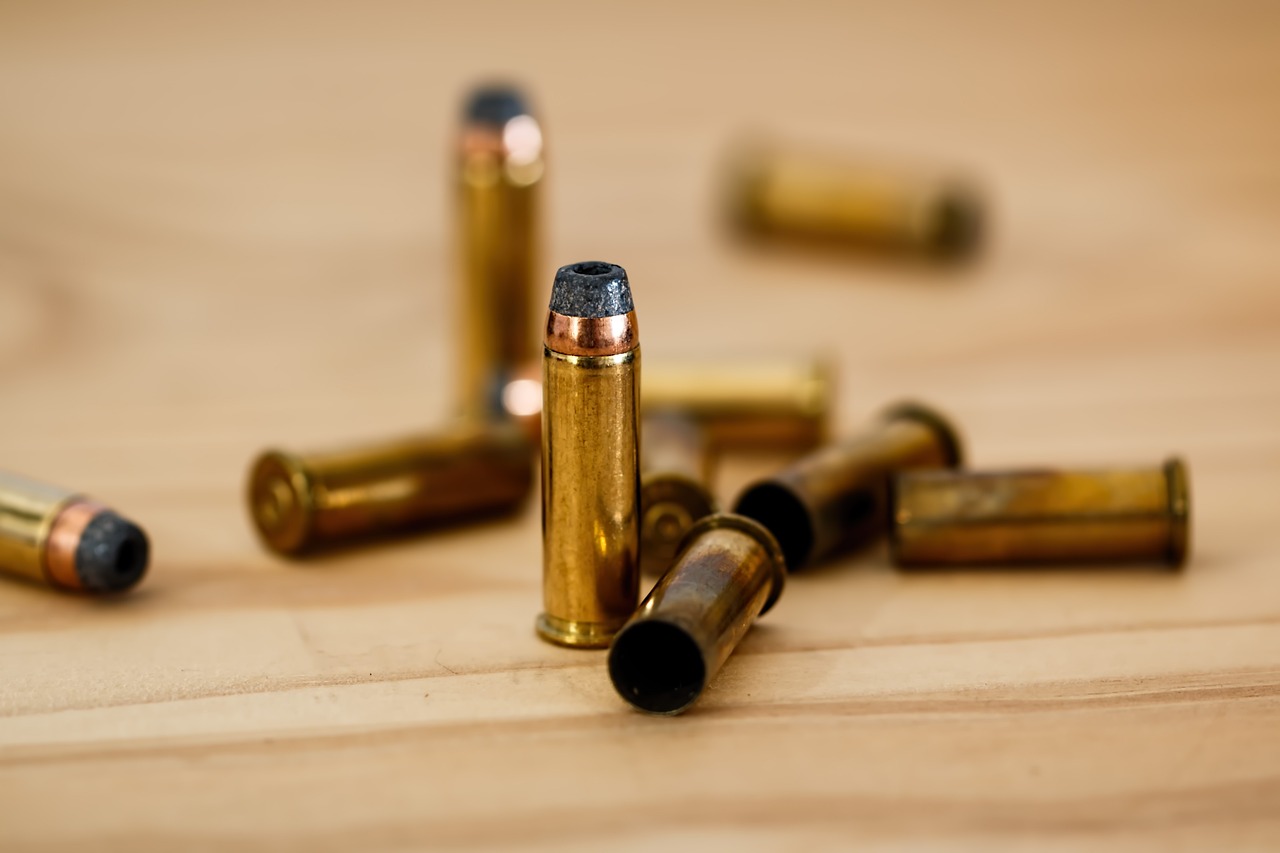
In forensic ballistics, bullets can be categorized based on their design, material, and purpose. Special types of bullets include:
1. Hollow-Point Bullets
- Designed to expand upon impact, increasing stopping power.
- Commonly used in law enforcement and self-defense.
- Leaves distinct wound channels, aiding forensic analysis.
2. Full Metal Jacket (FMJ) Bullets
- A soft core (usually lead) encased in a harder metal shell (e.g., copper).
- Less deformation on impact, often passing through the target.
- Common in military use, leaving clean entry/exit wounds.
3. Soft-Point (SP) Bullets
- Partially jacketed with an exposed lead tip.
- Expands more than FMJ but less than hollow-point bullets.
- Used in hunting and law enforcement.
4. Armor-Piercing (AP) Bullets
- Made with hardened steel, tungsten, or depleted uranium cores.
- Designed to penetrate hard targets (e.g., body armor, vehicles).
- Often leaves distinctive markings on surfaces and bodies.
5. Frangible Bullets
- Composed of compressed metal powders (e.g., copper/tin).
- Breaks apart upon impact, minimizing ricochet risks.
- Often used in training and situations where over-penetration is a concern.
6. Tracer Bullets
- Contains a pyrotechnic charge that ignites when fired.
- Leaves a visible trail, aiding in aiming and tracking.
- Used in military applications.
7. Incendiary Bullets
- Contains chemical compounds (e.g., phosphorus) that ignite upon impact.
- Used against fuel tanks, aircraft, or for signaling purposes.
8. Explosive Bullets
- Designed to detonate on impact.
- Rare and often restricted due to their destructive capability.
9. Rubber and Plastic Bullets
- Non-lethal alternatives used for riot control and crowd dispersal.
- Can cause blunt force trauma but generally do not penetrate the body.
10. Wad Cutter & Semi-Wad Cutter Bullets
- Flat or slightly conical tips designed for clean, circular holes in paper targets.
- Often used in competitive shooting.
11. Glaser Safety Slug
- A frangible bullet with a thin copper jacket and lead shot inside, designed to break apart upon impact.
- Used to minimize over-penetration in home defense.
- Forensically, it leaves multiple small wound channels and lacks deep penetration.
12. Boat-Tail Bullets
- Has a tapered base to reduce air resistance and improve long-range accuracy.
- Used in sniper and precision shooting.
- Ballistic analysis can track trajectory and impact characteristics.
13. Dum-Dum Bullets
- Expanding bullets with a modified soft or hollow tip for extreme tissue damage.
- Initially banned under the Hague Convention due to their lethality.
- Identified forensically by irregular wound patterns and expanded fragments.
14. Match-Grade Bullets
- Precision-made bullets with tight tolerances for competitive shooting.
- Usually FMJ or hollow-point, but with higher consistency.
- Rifling marks on these bullets can provide key forensic evidence.
15. Saboted Bullets (SABOT Rounds)
- A small-caliber projectile enclosed in a discarding plastic sabot, fired from a larger-caliber barrel.
- Used in high-velocity rifle ammunition and armor-piercing rounds.
- The sabot leaves forensic traces, such as polymer residues.
16. Duplex and Triplex Bullets
- Consist of two or three projectiles in a single cartridge.
- Used in experimental military applications.
- Can create multiple wound tracks, confusing forensic pathologists.
17. Teflon-Coated Bullets (“Cop Killers”)
- Originally designed to reduce barrel wear and improve penetration through soft barriers.
- Incorrectly believed to pierce body armor (actual armor-piercing capability comes from bullet core material).
- Coating residue can sometimes be detected in forensic analysis.
18. Caseless Ammunition
- The bullet is embedded in a solid propellant block, eliminating the need for a brass casing.
- Rare but used in some advanced military firearms.
- Forensically, it lacks shell casings, making firearm matching difficult.
19. Microstamped Bullets
- Feature laser-etched or stamped identifiers on the base of the bullet.
- Helps track bullets back to specific manufacturers or purchasers.
- Still a developing forensic technology.
20. Electroshock Bullets
- Experimental rounds that deliver an electric shock upon impact.
- Designed for non-lethal incapacitation.
- Forensic examination involves electrical burns and impact analysis.
Forensic Methods for Bullet Examination
-
Ballistic Comparison
- Examines striations left by a gun’s barrel using a comparison microscope.
- Matches bullets to specific firearms.
-
Gunshot Residue (GSR) Analysis
- Identifies lead, antimony, and barium particles left after firing.
- Can determine shooting distance and whether a suspect fired a gun.
-
Wound Ballistics Analysis
- Examines entry/exit wounds, fragmentation, and tissue damage.
- Helps determine bullet type, trajectory, and velocity.
-
Trajectory Reconstruction
- Uses mathematical models to track a bullet’s path and point of origin.
-
Chemical Analysis
- Spectroscopy can determine bullet composition, revealing its manufacturer or unique properties.
Forensic Methods for Bullet Examination
-
Ballistic Comparison
- Examines striations left by a gun’s barrel using a comparison microscope.
- Matches bullets to specific firearms.
-
Gunshot Residue (GSR) Analysis
- Identifies lead, antimony, and barium particles left after firing.
- Can determine shooting distance and whether a suspect fired a gun.
-
Wound Ballistics Analysis
- Examines entry/exit wounds, fragmentation, and tissue damage.
- Helps determine bullet type, trajectory, and velocity.
-
Trajectory Reconstruction
- Uses mathematical models to track a bullet’s path and point of origin.
-
Chemical Analysis
- Spectroscopy can determine bullet composition, revealing its manufacturer or unique properties.
- Striation marks (from barrel rifling).
- Deformation patterns (to identify bullet type).
- Residue analysis (to determine if a bullet was fired).
- Entry/exit wound characteristics (to infer bullet type and velocity).