Table of Contents(toc)

1. Respiratory Effects
• Acute Respiratory Distress Syndrome (ARDS): High exposure can lead to severe lung injury and ARDS, particularly in individuals with pre-existing conditions such as asthma or COPD.
• Bronchoconstriction & Asthma Exacerbation: CS gas can trigger acute bronchospasm, posing a significant risk for asthmatics.
• Lung Damage & Chronic Bronchitis: Prolonged exposure may result in chemical pneumonitis and chronic respiratory symptoms (Karagama et al., 2003).

2. Ocular Injuries & Blindness
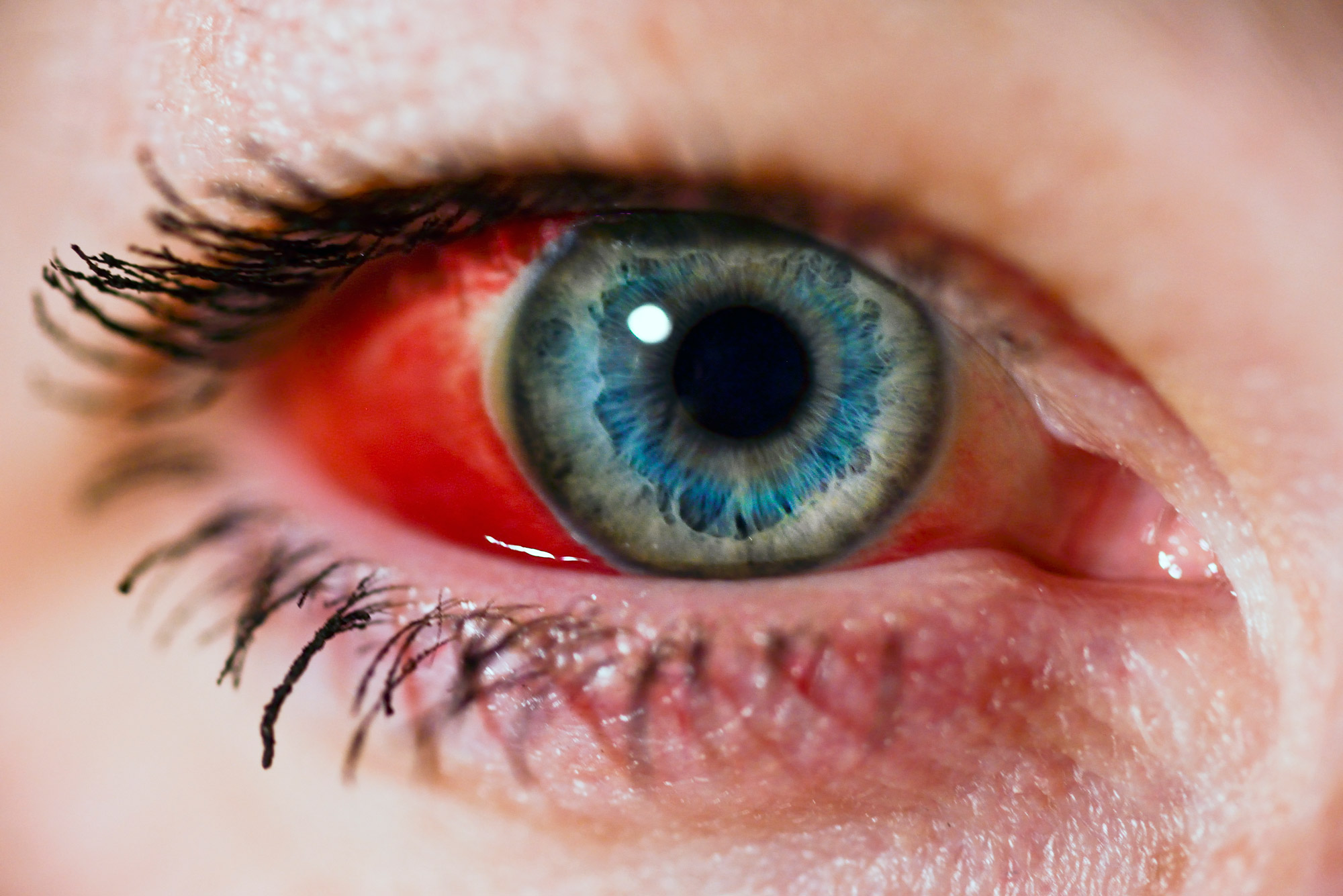
• Severe Eye Irritation: Tear gas causes lacrimation, conjunctivitis, corneal abrasions, and in some cases, permanent vision impairment (Hu et al., 1989).
• Risk of Secondary Trauma: People often rub their eyes vigorously, leading to corneal damage and infection.
3. Skin Burns & Chemical Dermatitis
• Blister Formation & Irritation: CS and CN can cause second-degree burns, dermatitis, and allergic skin reactions (CDC, 2018).
• Delayed Hypersensitivity Reactions: Some individuals develop long-term skin sensitivity to tear gas chemicals.

4. Neurological & Psychological Effects
• Seizures & Nerve Damage: Reports suggest potential neurotoxicity with repeated exposure, including seizures in susceptible individuals (Papirmeister et al., 1991).
• PTSD & Anxiety Disorders: Tear gas exposure during stressful events has been linked to increased rates of PTSD, panic attacks, and acute stress reactions (Chorley et al., 2021).
5. Cardiovascular Risks
• Hypertension & Cardiac Events: Tear gas can increase blood pressure and heart rate, posing a risk for individuals with heart disease (Schep et al., 2015).
• Increased Risk of Heart Attacks: The sympathetic nervous system activation triggered by tear gas can induce myocardial infarction in vulnerable individuals.
6. Reproductive & Developmental Toxicity
• Increased Miscarriage Risk: Exposure to tear gas has been associated with miscarriages and menstrual irregularities in some studies (Karam et al., 2020).
• Potential Teratogenic Effects: Although data is limited, animal studies suggest possible fetal toxicity with prolonged exposure.
7. Long-Term Pulmonary & Systemic Effects
• Pulmonary Fibrosis & Chronic Lung Disease: Persistent exposure may lead to lung fibrosis, similar to occupational chemical exposures (Weisenburger et al., 2020).
• Potential Carcinogenicity: Some solvents used in tear gas formulations have been linked to DNA damage, though direct human studies are lacking.
Conclusion
Tear gas is not a harmless deterrent; it poses significant acute and chronic health risks, particularly for vulnerable populations (children, elderly, and those with pre-existing conditions). Its use in enclosed spaces or at high concentrations greatly increases risks of severe respiratory, ocular, and systemic effects.