Table of Contents
Postcoital bleeding (bleeding after sexual intercourse / vaginal bellding after sex) can be alarming, especially in young women. If a woman notices spotting only on the same day after sex, the cause is usually benign — but it should never be ignored.
This article explains the common causes, red flags, and when medical evaluation is necessary.
What Is Postcoital Bleeding?
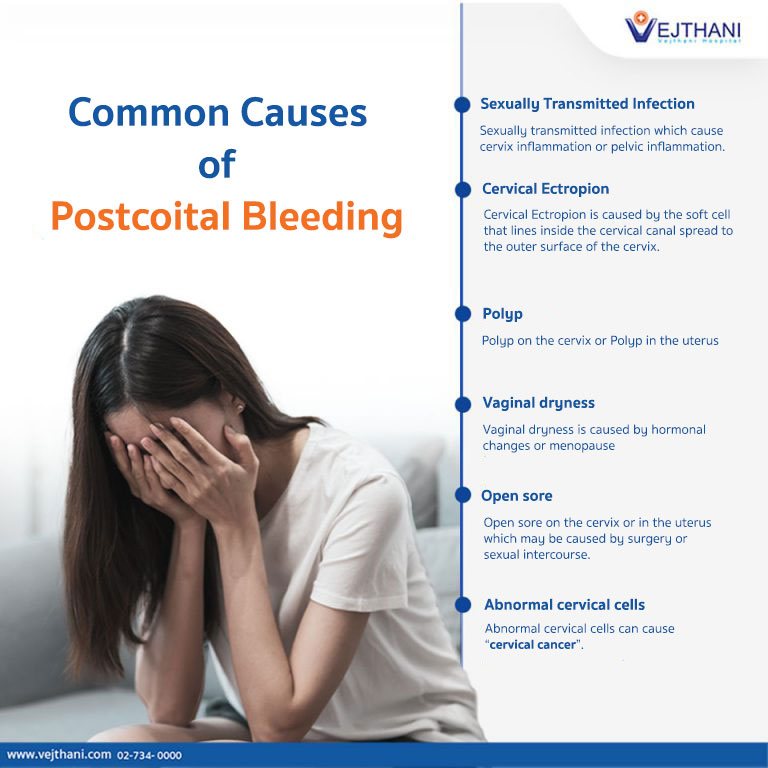
Postcoital bleeding refers to vaginal bleeding that occurs immediately after sexual intercourse and is not related to menstruation.
It may present as:
- Light spotting
- Pink or brown discharge
- Fresh red bleeding
- Bleeding that stops within a few hours
Common Causes in a young Woman
In this age group, most causes are non-cancerous.
1. Cervical Ectropion (Most Common Cause)
Cervical ectropion occurs when the delicate inner cervical cells are exposed on the outer surface of the cervix.
These cells are fragile and bleed easily when touched during intercourse.
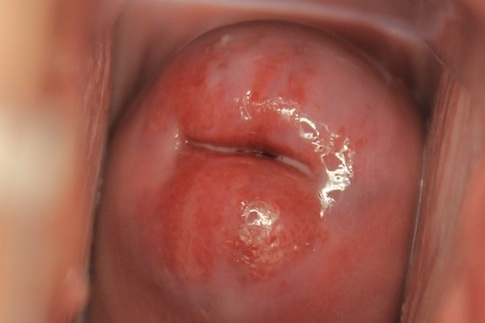
It is common in:
- Young women
- Women taking oral contraceptive pills
- Pregnancy (due to high estrogen levels)
Typically:
- Bleeding is mild
- Occurs only after sex
- No severe pain
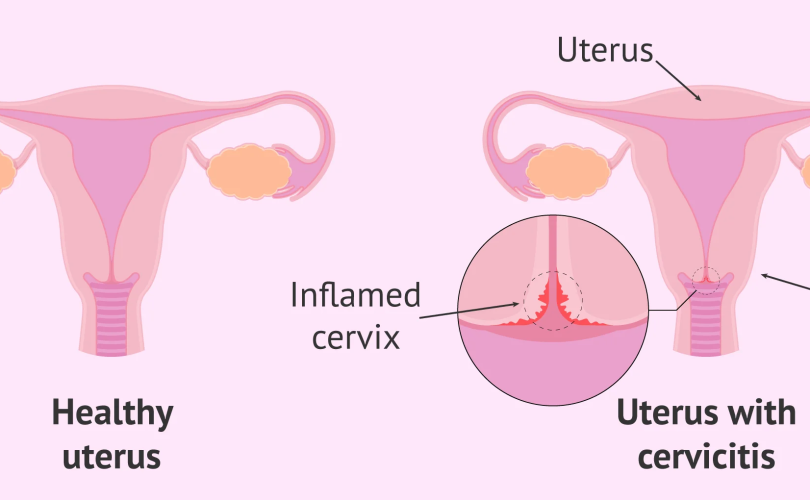
2. Cervicitis (Cervical Infection)
Inflammation of the cervix can cause contact bleeding.
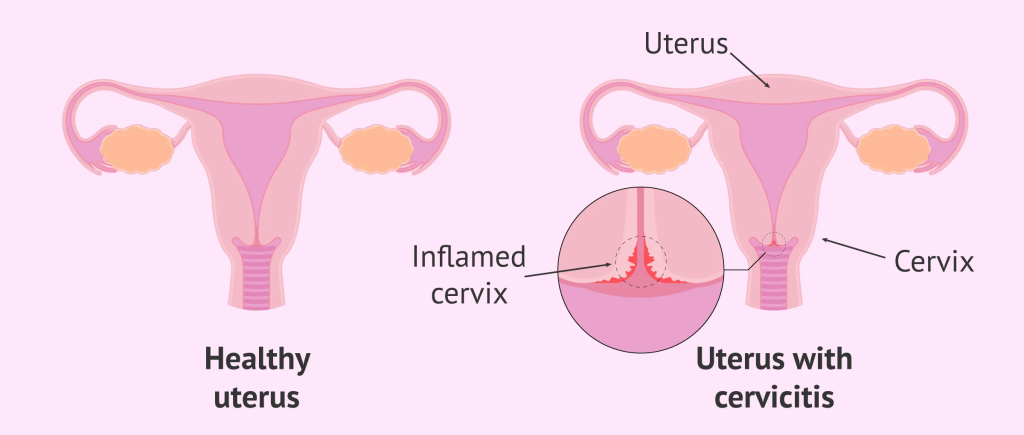
Common sexually transmitted infections include:
- Chlamydia trachomatis
- Neisseria gonorrhoeae
- Trichomonas vaginalis
Associated symptoms:
- Abnormal vaginal discharge
- Foul smell
- Pain during intercourse
- Burning urination
Young sexually active women are at higher risk.
3. Vaginal Infections (Vaginitis)
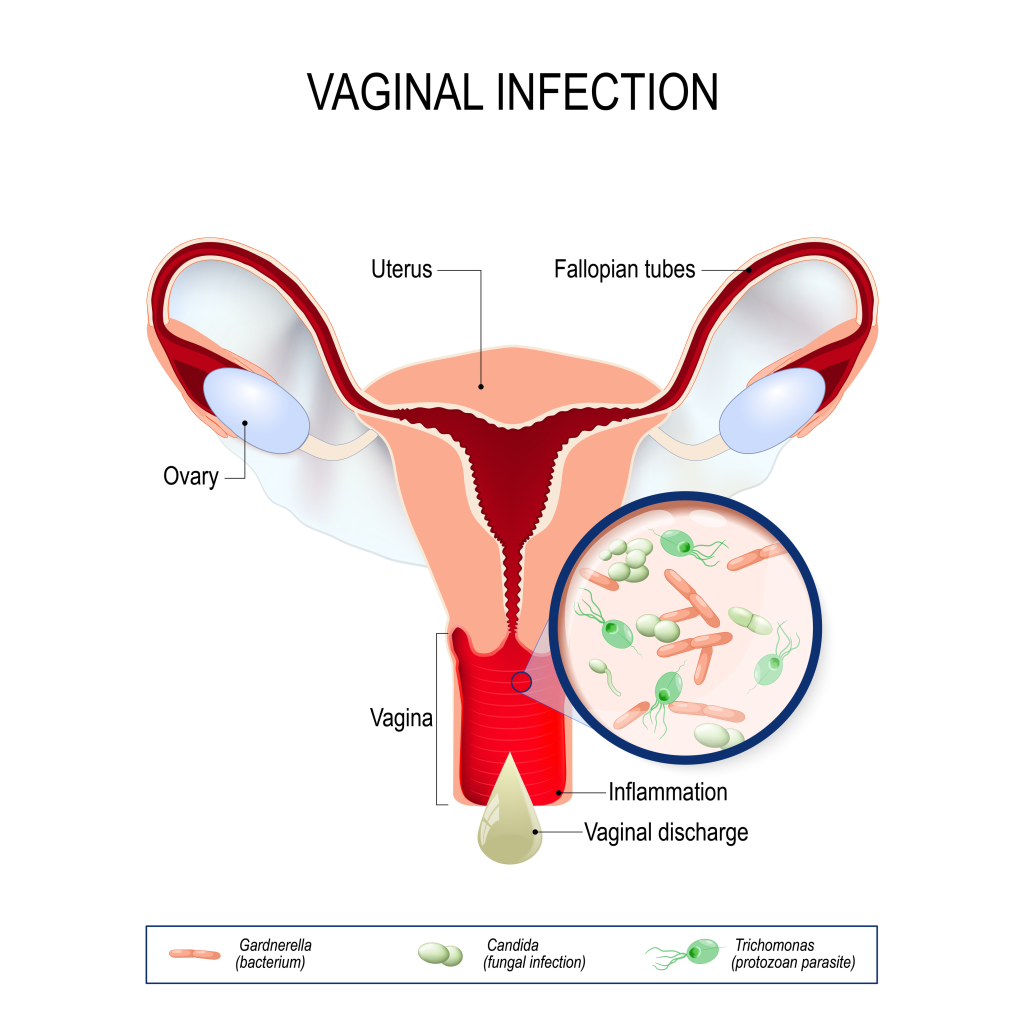
Infections make vaginal tissue inflamed and fragile.
Common causes:
- Candida albicans
- Trichomonas vaginalis
Symptoms:
- Itching
- Thick or foul discharge
- Pain during sex
4. Mechanical Trauma
Minor tears may occur due to:
- Rough intercourse
- Inadequate lubrication
- First sexual intercourse
- Vaginal dryness
Bleeding is usually mild and short-lived.
5. Pregnancy-Related Causes (Must Be Ruled Out)
Even light bleeding after sex can occur in early pregnancy due to a fragile cervix.
Important causes:
- Implantation bleeding
- Threatened miscarriage
- Ectopic pregnancy
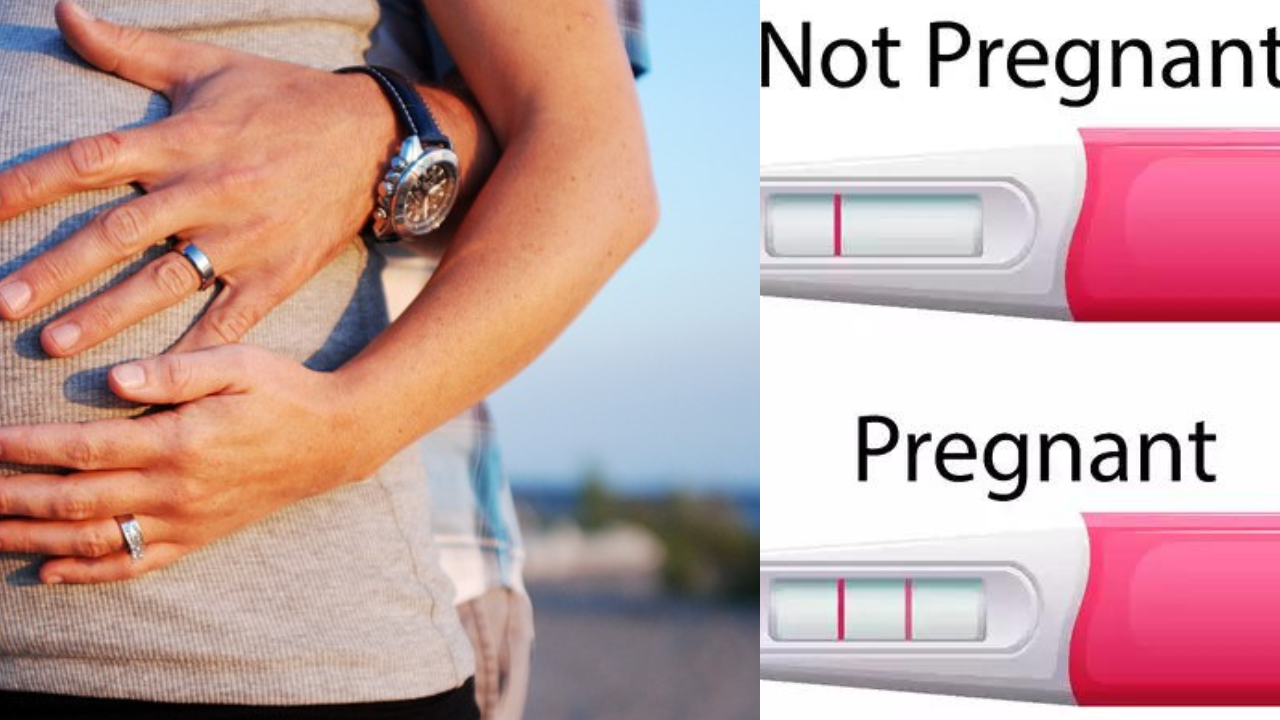
A urine pregnancy test should be done if periods are delayed.
Less Common but Important Causes
Although rare at 23 years of age:
Cervical Dysplasia
Often associated with:
- Human papillomavirus
May present with recurrent postcoital bleeding.
Cervical Cancer
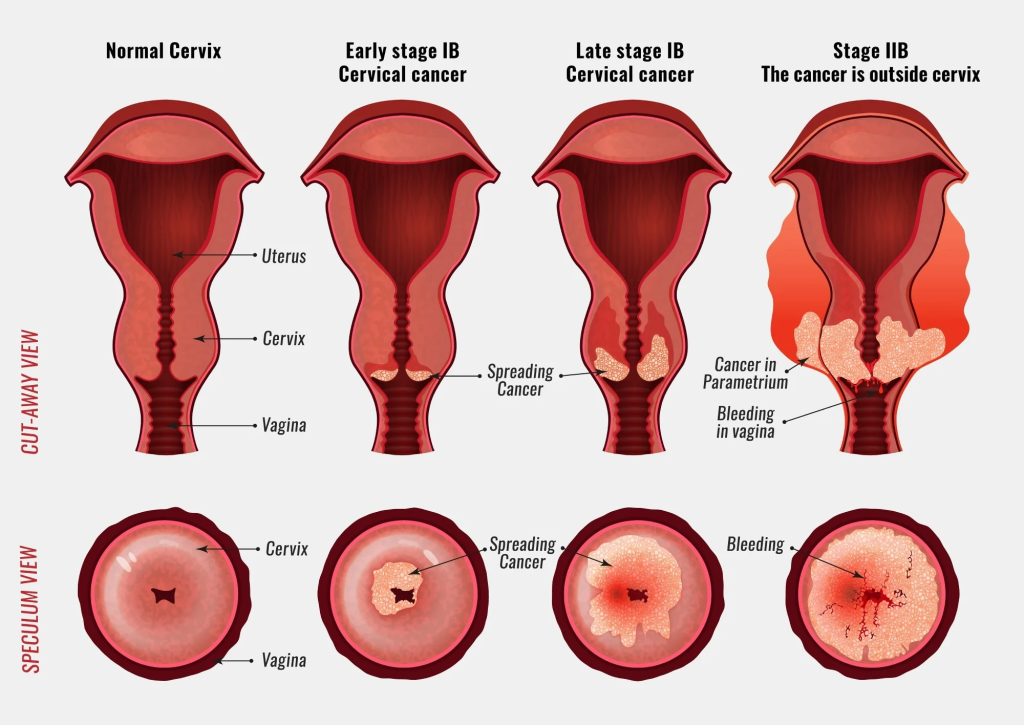
Rare in young women but should be considered if:
- Bleeding is persistent
- There is unexplained weight loss
- There is pelvic pain
- Abnormal Pap smear
When Is It Likely Benign?
Postcoital bleeding is usually harmless if:
- It occurs only on the day of intercourse
- Bleeding is light
- It stops within hours
- There is no pain or foul discharge
- It does not happen frequently
When to See a Doctor
Seek medical evaluation if:
- Bleeding happens repeatedly
- Bleeding becomes heavy
- There is pelvic pain
- There is abnormal discharge
- Periods are missed
- Bleeding occurs unrelated to intercourse
How Is It Evaluated?
A doctor may perform:
- Detailed history
- Speculum examination
- Pregnancy test
- STI testing (NAAT)
- Vaginal swab
- Pap smear (if due)
- Colposcopy if cervix looks abnormal
Key Takeaway
In woman, postcoital bleeding occurring only on the same day after intercourse is most commonly due to cervical ectropion, mild infection, or minor trauma.
However, repeated episodes should always be medically evaluated to rule out infection and cervical pathology.
Early evaluation ensures reassurance in benign cases and timely treatment if needed.