pharmacist licensing examination MCQs

50 multiple-choice questions (MCQs) for a pharmacist licensing examination, covering topics like Pharmacology, Pharmaceutics, Pharmacognosy

Table of Contents(toc)
Here are 50 multiple-choice questions (MCQs) for a pharmacist licensing examination, covering topics like Pharmacology, Pharmaceutics, Pharmacognosy, Pharmaceutical Chemistry, and Clinical Pharmacy. The answer key is provided at the end.

Multiple-Choice Questions (MCQs)

1. Pharmacology

  1. Which neurotransmitter is primarily affected by selective serotonin reuptake inhibitors (SSRIs)?
    a) Dopamine
    b) Norepinephrine
    c) Serotonin
    d) Acetylcholine

  2. Which drug is used as an antidote for paracetamol poisoning?
    a) Naloxone
    b) N-acetylcysteine
    c) Atropine
    d) Flumazenil

  3. Beta-blockers are contraindicated in:
    a) Hypertension
    b) Heart failure
    c) Bronchial asthma
    d) Arrhythmias

  4. The mechanism of action of proton pump inhibitors (PPIs) is:
    a) Blocking H₂ receptors
    b) Inhibiting gastric acid secretion
    c) Neutralizing stomach acid
    d) Stimulating prostaglandins

  5. Which of the following is a loop diuretic?
    a) Spironolactone
    b) Hydrochlorothiazide
    c) Furosemide
    d) Acetazolamide

2. Pharmaceutics

  1. The term bioavailability refers to:
    a) The rate of drug absorption
    b) The extent of drug metabolism
    c) The proportion of a drug that reaches systemic circulation
    d) The drug’s half-life

  2. Which of the following routes of administration has the highest bioavailability?
    a) Oral
    b) Intravenous
    c) Subcutaneous
    d) Rectal

  3. The disintegration test is performed to determine:
    a) The dissolution rate of a tablet
    b) The time required for a tablet to break down into smaller particles
    c) The pharmacokinetics of a drug
    d) The sterility of a formulation

  4. A sustained-release formulation is designed to:
    a) Dissolve immediately in the stomach
    b) Provide rapid onset of action
    c) Maintain drug levels for an extended period
    d) Increase drug metabolism

  5. Which of the following excipients is used as a binder in tablet formulations?
    a) Magnesium stearate
    b) Starch
    c) Sodium lauryl sulfate
    d) Mannitol

3. Pharmaceutical Chemistry

  1. The functional group present in penicillin responsible for its antibacterial activity is:
    a) Hydroxyl group
    b) Beta-lactam ring
    c) Carboxyl group
    d) Amino group

  2. The chemical name of aspirin is:
    a) Acetaminophen
    b) Acetylsalicylic acid
    c) Ibuprofen
    d) Diclofenac sodium

  3. Which of the following is an example of a weak acid drug?
    a) Atropine
    b) Warfarin
    c) Morphine
    d) Lidocaine

  4. The oxidation of ferrous sulfate (FeSO₄) leads to the formation of:
    a) Ferric sulfate
    b) Ferrous chloride
    c) Iron oxide
    d) Iron hydroxide

  5. Which of the following is an example of an aromatic hydrocarbon?
    a) Ethanol
    b) Benzene
    c) Methane
    d) Acetone

4. Pharmacognosy

  1. The active constituent of Digitalis is:
    a) Alkaloid
    b) Glycoside
    c) Tannin
    d) Saponin

  2. The plant Rauwolfia serpentina is used for the treatment of:
    a) Diabetes
    b) Hypertension
    c) Asthma
    d) Malaria

  3. Which of the following is an example of a volatile oil?
    a) Castor oil
    b) Clove oil
    c) Linseed oil
    d) Olive oil

  4. Cinchona bark is used as a source of:
    a) Morphine
    b) Quinine
    c) Ephedrine
    d) Codeine

  5. The alkaloid present in tea and coffee is:
    a) Theobromine
    b) Theophylline
    c) Caffeine
    d) Reserpine

5. Clinical Pharmacy & Hospital Pharmacy

  1. Therapeutic drug monitoring is essential for which of the following drugs?
    a) Paracetamol
    b) Gentamicin
    c) Amoxicillin
    d) Ibuprofen

  2. Which of the following is a Schedule H drug in India?
    a) Paracetamol
    b) Ibuprofen
    c) Alprazolam
    d) Ranitidine

  3. Which regulatory body controls drug approval in India?
    a) FDA
    b) ICMR
    c) CDSCO
    d) WHO

  4. The main function of a hospital formulary is:
    a) To maintain patient records
    b) To list drugs available in the hospital
    c) To dispense over-the-counter drugs
    d) To provide surgical equipment

  5. Which of the following drugs is used to reverse opioid overdose?
    a) Flumazenil
    b) Atropine
    c) Naloxone
    d) N-acetylcysteine


Answer Key

  1. c) Serotonin
  2. b) N-acetylcysteine
  3. c) Bronchial asthma
  4. b) Inhibiting gastric acid secretion
  5. c) Furosemide
  6. c) The proportion of a drug that reaches systemic circulation
  7. b) Intravenous
  8. b) The time required for a tablet to break down into smaller particles
  9. c) Maintain drug levels for an extended period
  10. b) Starch
  11. b) Beta-lactam ring
  12. b) Acetylsalicylic acid
  13. b) Warfarin
  14. a) Ferric sulfate
  15. b) Benzene
  16. b) Glycoside
  17. b) Hypertension
  18. b) Clove oil
  19. b) Quinine
  20. c) Caffeine
  21. b) Gentamicin
  22. c) Alprazolam
  23. c) CDSCO
  24. b) To list drugs available in the hospital
  25. c) Naloxone

These MCQs cover key areas of pharmacy for licensing exams.

MCQs for Indian Nursing Council (INC) licensing examination ( 50 multiple-choice questions)

50 multiple-choice questions (MCQs) for the Indian Nursing Council (INC) licensing examination

Table of Contents(toc)

Here are 50 multiple-choice questions (MCQs) for the Indian Nursing Council (INC) licensing examination, covering various nursing subjects like Medical-Surgical Nursing, Community Health Nursing, Pediatric Nursing, Obstetrics & Gynecology, and Nursing Ethics. The answer key is provided at the end.

Multiple-Choice Questions (MCQs)

1. Medical-Surgical Nursing

  1. Which electrolyte imbalance is most commonly associated with prolonged vomiting?
    a) Hypokalemia
    b) Hyperkalemia
    c) Hyponatremia
    d) Hypernatremia

  2. The primary cause of myocardial infarction is:
    a) Coronary artery spasm
    b) Atherosclerosis
    c) Hypertension
    d) Hyperlipidemia

  3. Which condition is characterized by the accumulation of fluid in the alveoli?
    a) Pleural effusion
    b) Pneumothorax
    c) Pulmonary edema
    d) Bronchiectasis

  4. A patient with liver cirrhosis is most at risk for which complication?
    a) Pulmonary embolism
    b) Hypoglycemia
    c) Esophageal varices
    d) Myocardial infarction

  5. The drug of choice for anaphylactic shock is:
    a) Dopamine
    b) Epinephrine
    c) Atropine
    d) Hydrocortisone

2. Community Health Nursing

  1. The main goal of primary health care is:
    a) Curative services
    b) Preventive and promotive care
    c) Hospital-based treatment
    d) Specialized medical interventions

  2. The incubation period of measles is approximately:
    a) 3-5 days
    b) 7-14 days
    c) 15-21 days
    d) 21-28 days

  3. The Expanded Programme on Immunization (EPI) was launched by WHO in:
    a) 1974
    b) 1980
    c) 1985
    d) 1992

  4. Which vitamin deficiency is responsible for night blindness?
    a) Vitamin A
    b) Vitamin B1
    c) Vitamin C
    d) Vitamin D

  5. A patient diagnosed with tuberculosis must be given which category of drugs?
    a) Anti-fungal drugs
    b) Antiviral drugs
    c) Antimycobacterial drugs
    d) Antihistamines

3. Pediatric Nursing

  1. The most common cause of diarrhea in children is:
    a) Salmonella infection
    b) Rotavirus infection
    c) E. coli infection
    d) Giardia infection

  2. Which is the most appropriate site for intramuscular injection in an infant?
    a) Deltoid muscle
    b) Gluteus maximus
    c) Vastus lateralis
    d) Rectus abdominis

  3. The first sign of puberty in girls is:
    a) Menstruation
    b) Breast development
    c) Growth spurt
    d) Pubic hair growth

  4. Koplik’s spots are seen in which disease?
    a) Mumps
    b) Rubella
    c) Measles
    d) Chickenpox

  5. The Apgar score is assessed at:
    a) 1 and 5 minutes after birth
    b) 5 and 10 minutes after birth
    c) 10 and 15 minutes after birth
    d) 15 and 30 minutes after birth

4. Obstetrics & Gynecological Nursing

  1. The most common site of ectopic pregnancy is:
    a) Ovary
    b) Uterus
    c) Fallopian tube
    d) Cervix

  2. Which hormone is responsible for milk ejection during breastfeeding?
    a) Estrogen
    b) Oxytocin
    c) Progesterone
    d) Prolactin

  3. The normal fetal heart rate ranges between:
    a) 100-120 bpm
    b) 120-160 bpm
    c) 160-200 bpm
    d) 80-100 bpm

  4. Preeclampsia is characterized by:
    a) Proteinuria, hypertension, and edema
    b) Hyperglycemia, hypertension, and anemia
    c) Bradycardia, hypotension, and confusion
    d) Proteinuria, polyuria, and nausea

  5. The best time to perform breast self-examination is:
    a) During menstruation
    b) 5-7 days after menstruation
    c) Before menstruation
    d) Any time of the month

5. Fundamentals of Nursing

  1. The most important step in handwashing is:
    a) Rinsing with water
    b) Using an antiseptic solution
    c) Friction during lathering
    d) Drying hands properly

  2. A patient in Trendelenburg’s position has:
    a) The head elevated
    b) The feet elevated
    c) The body lying flat
    d) Knees flexed

  3. What is the normal range of body temperature in Celsius?
    a) 36-38°C
    b) 35-37°C
    c) 37-39°C
    d) 38-40°C

  4. The first link in the chain of infection is:
    a) Susceptible host
    b) Mode of transmission
    c) Reservoir
    d) Infectious agent

  5. The best method for confirming nasogastric tube placement is:
    a) Air auscultation
    b) X-ray examination
    c) Checking for residual volume
    d) pH testing of aspirate


Answer Key

  1. a) Hypokalemia
  2. b) Atherosclerosis
  3. c) Pulmonary edema
  4. c) Esophageal varices
  5. b) Epinephrine
  6. b) Preventive and promotive care
  7. b) 7-14 days
  8. a) 1974
  9. a) Vitamin A
  10. c) Antimycobacterial drugs
  11. b) Rotavirus infection
  12. c) Vastus lateralis
  13. b) Breast development
  14. c) Measles
  15. a) 1 and 5 minutes after birth
  16. c) Fallopian tube
  17. b) Oxytocin
  18. b) 120-160 bpm
  19. a) Proteinuria, hypertension, and edema
  20. b) 5-7 days after menstruation
  21. c) Friction during lathering
  22. b) The feet elevated
  23. a) 36-38°C
  24. d) Infectious agent
  25. b) X-ray examination

Usmle mcq questions series 2 – 10 multiple-choice questions (MCQs)

10 multiple-choice questions (MCQs) designed for the USMLE (United States Medical Licensing Examination)

Table of Contents(toc)


Questions:

  1. A 55-year-old man presents with a history of progressive shortness of breath and a chronic productive cough. He has a 40 pack-year smoking history. Physical examination reveals decreased breath sounds and hyperresonance to percussion. What is the most likely diagnosis?
  • A) Asthma
  • B) Bronchiectasis
  • C) Chronic Obstructive Pulmonary Disease (COPD)
  • D) Pulmonary Fibrosis
  • E) Congestive Heart Failure
  • A 25-year-old woman presents with fever, malaise, and a maculopapular rash that started on her face and spread to her trunk and extremities. She also has tender postauricular lymphadenopathy. Which of the following is the most likely diagnosis?
    • A) Measles
    • B) Rubella
    • C) Varicella
    • D) Roseola
    • E) Scarlet Fever
  • A 60-year-old woman with a history of hypertension presents with sudden-onset severe headache, vomiting, and loss of consciousness. Her blood pressure is 220/130 mmHg. A CT scan of the head shows a hemorrhage. What is the most likely location of the hemorrhage?
    • A) Epidural space
    • B) Subdural space
    • C) Subarachnoid space
    • D) Intraparenchymal
    • E) Ventricular system
  • A 32-year-old woman presents with fatigue, weight gain, constipation, and cold intolerance. Physical examination reveals dry skin and a delayed relaxation phase of deep tendon reflexes. Which of the following is the most likely diagnosis?
    • A) Hyperthyroidism
    • B) Hypothyroidism
    • C) Addison’s disease
    • D) Cushing’s syndrome
    • E) Pheochromocytoma
  • A 45-year-old man presents with chest pain that occurs at rest and is relieved by nitrates. His ECG shows transient ST-segment elevation during episodes of pain. Which of the following is the most likely diagnosis?
    • A) Stable angina
    • B) Unstable angina
    • C) Myocardial infarction
    • D) Prinzmetal’s angina
    • E) Pericarditis
  • A 70-year-old man with a history of chronic kidney disease presents with fatigue, pallor, and decreased exercise tolerance. Laboratory studies reveal a hemoglobin level of 8 g/dL. Which of the following is the most likely cause of his anemia?
    • A) Iron deficiency
    • B) Vitamin B12 deficiency
    • C) Anemia of chronic disease
    • D) Hemolytic anemia
    • E) Aplastic anemia
  • A 5-year-old boy presents with a 3-day history of fever, sore throat, and difficulty swallowing. Physical examination reveals an erythematous pharynx with tonsillar exudates and tender cervical lymphadenopathy. What is the most likely causative organism?
    • A) Streptococcus pyogenes
    • B) Haemophilus influenzae
    • C) Epstein-Barr virus
    • D) Mycoplasma pneumoniae
    • E) Candida albicans
  • A 40-year-old woman presents with polyuria, polydipsia, and polyphagia. Her fasting blood glucose level is 250 mg/dL. Which of the following is the most likely diagnosis?
    • A) Diabetes mellitus type 1
    • B) Diabetes mellitus type 2
    • C) Diabetes insipidus
    • D) Syndrome of inappropriate antidiuretic hormone (SIADH)
    • E) Hyperthyroidism
  • A 30-year-old man presents with a painless, enlarged cervical lymph node. He reports night sweats, fever, and unintentional weight loss over the past 2 months. A lymph node biopsy shows Reed-Sternberg cells. What is the most likely diagnosis?
    • A) Non-Hodgkin lymphoma
    • B) Hodgkin lymphoma
    • C) Metastatic carcinoma
    • D) Tuberculosis
    • E) Sarcoidosis
  • A 3-year-old girl is brought to the emergency department with a high fever, drooling, and difficulty breathing. On examination, she is sitting forward with her neck extended and appears anxious. What is the most appropriate next step in management?
    • A) Administer oral antibiotics
    • B) Obtain a throat culture
    • C) Perform a neck X-ray
    • D) Secure the airway
    • E) Prescribe corticosteroids

    Answers:

    C) Chronic Obstructive Pulmonary Disease (COPD)
    B) Rubella
    D) Intraparenchymal
    B) Hypothyroidism
    D) Prinzmetal’s angina
    C) Anemia of chronic disease
    A) Streptococcus pyogenes
    B) Diabetes mellitus type 2
    B) Hodgkin lymphoma
    D) Secure the airway

    MCQ for medical students and nhpc license examination preparation

    MCQ for medical students and nhpc license examination preparation 

    (toc)Table of Contents

    Introduction

    Here is the first
    MCQ test in my website: 

    Contact me through other channels for details. 

    I hope you are doing well and reading this. As you are aware, we will be using
    Google Forms to administer an upcoming multiple-choice test. I’m writing to
    respectfully ask that you take the test and do your best.

    It is quick and easy to gauge your level of subject knowledge by taking the
    test using Google Forms. As many tests are now taken online, it’s also a
    fantastic chance to practice test-taking techniques.

    Information for Students

    Before beginning the test, please be sure you read and comprehend the
    instructions and to have a reliable internet connection. Please do not
    hesitate to contact me for help if you run into any technical issues.

    MCQ Questions start here

    Thank you for your time and response. 

    COVID-19 : Current situatuion, Vaccine and Challanges 2025 Update

    COVID-19? treatment of covid 19? is it possible to get a complete cure? 

    Table oc Contents(toc)

    The coronavirus epidemic, also known as COVID-19, has caused a global health crisis unlike any other in recent history. It first emerged in Wuhan, China in December 2019 and has since spread to nearly every country in the world. The virus is highly contagious and can lead to severe illness, with older individuals and those with underlying health conditions being particularly vulnerable.

    To combat the spread of the virus, governments around the world have implemented measures such as lockdowns, travel restrictions, and mask mandates. Healthcare systems have been strained as they work to treat patients and prevent the spread of the virus. Many people have also faced economic challenges as businesses have closed and employment has been disrupted.

    2025 update on covid 19

    As of January 2025, COVID-19 continues to impact global health, though with reduced severity compared to earlier years. Key updates include:

    • Vaccination Efforts: Over 13 billion vaccine doses have been administered worldwide, significantly reducing severe cases and fatalities. The 2024–2025 vaccines have been updated to target currently circulating strains, with health authorities recommending vaccination for everyone aged 6 months and older.
    • Emergence of Variant XEC: A new variant, XEC, is spreading rapidly, particularly in Europe, and may become the dominant strain globally. It is a recombinant of two JN.1-related variants, and while current vaccines are not a perfect match, they are expected to provide considerable protection.
    • Long COVID: Millions continue to experience long-term symptoms such as fatigue and cognitive issues. Research is ongoing to understand and treat these persistent effects.
    • Combined Vaccines: Pharmaceutical companies are developing combined flu and COVID-19 vaccines, with potential availability by winter 2025–2026, aiming to simplify immunization processes.
    • Tripledemic Concerns: Health authorities warn of a “tripledemic” threat involving flu, RSV, and COVID-19, urging vulnerable populations to get vaccinated to prevent severe illness and hospitalizations.

    Ongoing vigilance, vaccination, and adherence to public health guidelines remain crucial in managing the evolving situation.

    Challange of covid 19

    Despite the challenges, there have been efforts to find a solution to the crisis. Researchers have been working around the clock to develop vaccines and treatments for COVID-19. In record time, several vaccines have been approved for emergency use and are being distributed globally.
    There is hope that with the rollout of vaccines, the world will eventually be able to return to some sense of normalcy.
    The virus is highly contagious and can lead to severe illness, with older individuals and those with underlying health conditions being particularly vulnerable.
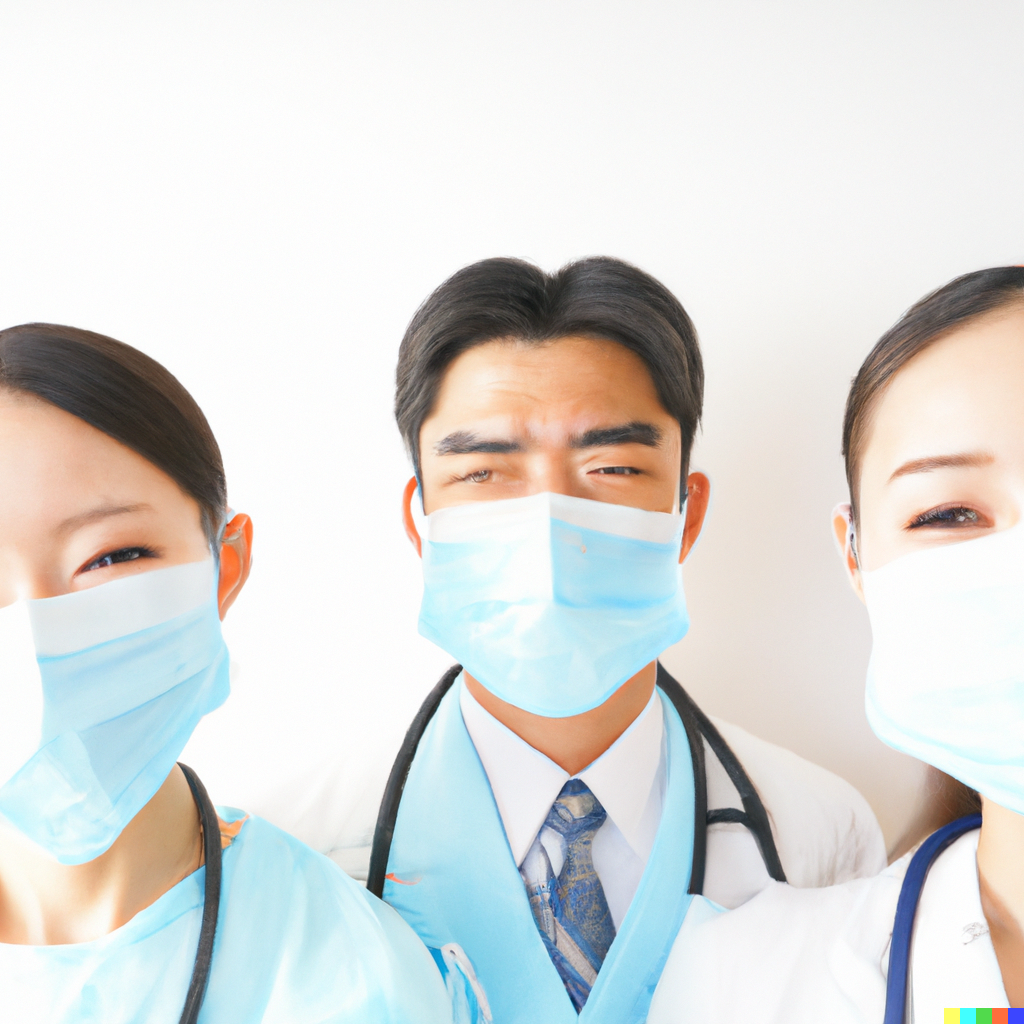
    doctors and nurses wearing masks

    However, it is important to remember that the pandemic is not yet over. It is crucial to continue following guidelines and protocols such as wearing masks, practicing social distancing, and getting vaccinated when it becomes available. By working together and taking necessary precautions, we can help to slow the spread of the virus and ultimately bring an end to the epidemic.

    In conclusion, the coronavirus epidemic has had a profound impact on the world, causing illness, economic disruption, and loss of life. While there is hope on the horizon with the development of vaccines, it is important to continue taking necessary precautions and working together to bring an end to the crisis.

    Read my frinds blog: Dr Health Rx

    How to protect yourself from COVID-19?

    There are several steps that individuals can take to protect themselves and others from the coronavirus:

    1. Wash your hands frequently with soap and water for at least 20 seconds, or use hand sanitizer if soap and water are not available.
    2. Wear a mask when in public or around others, especially when it is not possible to maintain a distance of at least 6 feet.
    3. Avoid close contact with individuals who are sick or have symptoms of COVID-19.
    4. Stay home if you are feeling unwell or have been in close contact with someone who has tested positive for the virus.
    5. Disinfect frequently touched surfaces such as doorknobs, phones, and keyboards regularly.
    6. Follow guidelines and protocols from your local health authorities and government, such as lockdowns and travel restrictions.
    7. Get vaccinated when it becomes available to you.

    By following these precautions, we can all play a role in slowing the spread of the virus and protecting ourselves and others. It is important to remember that these measures are not just for our own benefit, but also for the benefit of the entire community. By working together and taking necessary precautions, we can help to bring an end to the pandemic.

    Read about PTB : Here

    Global crisis of COVID 19: What and why of COVID?

    The coronavirus, also known as COVID-19, has caused a global health crisis unlike any other in recent history. While there is no specific treatment for the virus, there are several measures that can be taken to manage the symptoms and improve the chances of recovery.

    One of the primary treatments for COVID-19 is supportive care, which involves providing the patient with oxygen, fluids, and other medications as needed to manage symptoms and prevent complications. This can include medications to reduce fever, ease coughing, and prevent pneumonia. In severe cases, patients may require mechanical ventilation or other advanced medical interventions.

    There are also several experimental treatments being developed for COVID-19, including antiviral medications and therapies that boost the immune system. These treatments are still being tested and are not widely available, but they hold promise for improving the outcomes of patients with COVID-19.

    It is important to note that the best way to protect oneself from COVID-19 is to prevent infection in the first place. This includes following guidelines and protocols such as wearing masks, practicing social distancing, and getting vaccinated when it becomes available. By taking these precautions, we can help to slow the spread of the virus and ultimately bring an end to the pandemic.

    Prevention and vaccination against COVID 19

    vaccine for covid 19

    Vaccines play a critical role in preventing the spread of infectious diseases and protecting individuals from serious illness. The COVID-19 pandemic has highlighted the importance of vaccines more than ever before, with researchers around the world working to develop a vaccine for the virus.

    The development and approval of a vaccine typically takes years, but in the case of COVID-19, several vaccines have been developed and approved for emergency use in record time. These vaccines work by introducing a small amount of the virus or a piece of its genetic material into the body, which triggers an immune response. This allows the body to build immunity to the virus, reducing the risk of illness if the individual becomes infected.

    Vaccines are typically administered through a series of shots, with booster shots often needed to maintain immunity. It is important to follow the recommended vaccination schedule to ensure optimal protection. Some vaccines may also have side effects, such as soreness at the injection site or mild fever, but these are typically mild and temporary.

    The COVID-19 vaccines have undergone rigorous testing to ensure their safety and effectiveness, and have been shown to significantly reduce the risk of illness and death from the virus. Getting vaccinated is not just about protecting oneself, but also about protecting others in the community. By getting vaccinated, we can help to slow the spread of the virus and ultimately bring an end to the pandemic.

    Read about pneumonia : Pneumonia and chest infection

    Types of vaccine against COVID 19

    There are several vaccines available for COVID-19, each with its own unique characteristics and efficacy. Some of the most widely used vaccines include:

    • Pfizer-BioNTech vaccine: This vaccine uses a piece of the virus’s genetic material, called messenger RNA (mRNA), to trigger an immune response. It requires two doses administered three weeks apart, and has been shown to be 95% effective in preventing illness.
    • Moderna vaccine: Similar to the Pfizer-BioNTech vaccine, the Moderna vaccine uses mRNA to trigger an immune response. It also requires two doses administered four weeks apart, and has been shown to be 94% effective in preventing illness.
    • Johnson & Johnson vaccine: This vaccine uses a harmless virus to deliver a piece of the COVID-19 virus’s genetic material, called DNA, to the body. It requires only one dose, and has been shown to be 66% effective in preventing illness.
    • AstraZeneca vaccine: This vaccine also uses a harmless virus to deliver DNA, but it requires two doses administered four to 12 weeks apart. It has been shown to be 76% effective in preventing illness.

    Each of these vaccines has undergone rigorous testing to ensure their safety and effectiveness, and have been approved for emergency use by various regulatory agencies around the world. It is important to follow the recommended vaccination schedule and guidelines for each vaccine to ensure optimal protection.

    Read about NIP and vaccines: NIP and vaccination

    Dadura khop(दादुरा खोप)- dadura cases kathmandu 2081 short note on measles

    Measles दादुरा को परिचय  (Rastriya Khop talika) 2081

    Table of contents(toc)
    दादुरा एक भाइरसबाट लाग्ने सरुवा रोग हो।
    यो मिजल्स भाइरस बाट लाग्दछ।
    यो रोगले सबै उमेरकालाई असार गर्छ तर बच्चा हरु प्राय उच्च जोखिममा हुन्छन्।

    दादुराको लक्षणहरू dadura symotoms

    1. शरीरमा डाबर आउने
    2. ज्वरो
    3. रुघा लाग्ने
    4. खान मन नगर्ने
    5. पखाला लाग्ने
    6. सास फेर्न गाह्रो हुने
    7. रुने
    8. वान्ता हुने
    Read fipv revised schedule in this link.

    दादुरा विरुद्धको खोप measles भ्याक्सिन

    दादुरा विरुद्धको खोप स्वास्थ्य संस्थामा निःशुल्क पाइन्छ। 
    आफ्नो बच्चालाई समयमा यो खोप लगाएमा दादुरा साथै यसले हुने नोक्सानी र ज्यान जान बाट समेत जोगाउन सकिन्छ। 
    समयमै आफ्नो बच्चा लाई खोप लगाऊ।

    दादुराको उपचार dadura treatment 

    दादुरा लागिसकेपछि कुनै उपचार छैन। लक्षण अनुसारको उपचार दिन सकिन्छ। प्राय मा यो रोग निको भए पनि, केहीलाई भने निकै असार पुर्याउँछ। कहिलेकाहीं ज्यान सम्म जन सक्दछ। 
    तपाईंको बच्चालाई माथिका लक्षण देखिएमा तुरुन्त स्वास्थ्य संस्थामा संपर्क गर्नुहोला। यो सरुवा रोग भएकाले अरु लाई सार्न दिन हुँदैन।
    Read:
    measles  (credit: flickr)

    दादुरा को परीक्षण measles test

    दादुरा को परीक्षण रगतबाट गर्न सकिन्छ। तर धेरैजसो अवस्थामा यो बिरामी हेरेरै (क्लिनिकल डियाग्नोसिस) गर्न सकिन्छ। 
    निम्नानुशार परीक्षण गर्न सकिन्छ।
    1. CBC
    2. छातीको एक्सरे chest X-ray
    3. सेरोलोजी फर मिजलस serology for measles
    4. आवश्यकता अनुसार थप जाँच

    के दादुरमा आइसोलेशन चाहिन्छ?

    दादुरा सरुवा रोग भएकोले isolation आइसोलेशन् चाहिन्छ ।
    घर का अरु सदस्य बाट टाढा राखौ।
    स्कूल नपठाउ।

    दादुरा कसरी सर्छ?

    दादुरा बिरामीको  सास थूक सिँगान लगायत शारीरिक उत्पादन बाट सर्छ। सतर्क रहौं।
  • Definition: Measles is a highly contagious viral infection caused by the Measles virus (Paramyxovirus family).
  • Transmission: Spreads through respiratory droplets (coughing, sneezing) and direct contact with an infected person.
  • Incubation Period: 7–14 days after exposure.
  • Symptoms:
    • High fever
    • Cough, runny nose, conjunctivitis (red eyes)
    • Koplik’s spots (tiny white spots inside the mouth)
    • Maculopapular rash (spreads from face to body)
  • Complications: Pneumonia, encephalitis, ear infections, blindness, diarrhea, and death in severe cases.
  • Diagnosis: Based on clinical symptoms and lab tests (IgM antibodies, RT-PCR for measles RNA).
  • Prevention: Measles vaccine (MMR – Measles, Mumps, Rubella) given in childhood.
  • Treatment: Supportive care (fluids, fever management, Vitamin A supplements). No specific antiviral treatment.
  • Public Health Concern: Measles outbreaks occur in areas with low vaccination coverage.
  • 100 Nepal driving license (MCQs) multiple-choice questions rlated to written test

    100 multiple-choice questions (MCQs) related to the Nepal driving license written test

    Table of Contents(toc)

    Here are 100 multiple-choice questions (MCQs) related to the Nepal driving license written test. The correct answers are bolded for clarity.

    Questions (1-25)

    1. What is the minimum age requirement to obtain a driving license for a motorcycle in Nepal?

    a) 16 years

    b) 18 years

    c) 20 years

    d) 21 years

    2. What is the legal blood alcohol concentration (BAC) limit for drivers in Nepal?

    a) 0.05%

    b) 0.03%

    c) 0.08%

    d) 0.10%

    3. What does a red traffic light indicate?

    a) Slow down

    b) Proceed with caution

    c) Stop

    d) Speed up

    4. What is the meaning of a yellow traffic light?

    a) Go faster

    b) Prepare to stop

    c) Continue driving

    d) Turn around

    5. What does a white line on the road indicate?

    a) Overtaking is allowed

    b) Lane separation

    c) No parking

    d) Pedestrian crossing

    6. What does a zigzag line on the road indicate?

    a) No overtaking

    b) Speed limit zone

    c) Pedestrian crossing

    d) Parking area

    7. What is the speed limit in a residential area in Nepal?

    a) 40 km/h

    b) 30 km/h

    c) 50 km/h

    d) 60 km/h

    8. What is the speed limit on highways in Nepal?

    a) 80 km/h

    b) 100 km/h

    c) 120 km/h

    d) 60 km/h

    9. What does a blue traffic sign indicate?

    a) Warning

    b) Mandatory instruction

    c) Prohibition

    d) Information

    10. What does a triangle-shaped traffic sign indicate?

    a) Warning

    b) Mandatory instruction

    c) Prohibition

    d) Information

    11. What is the penalty for driving without a valid license in Nepal?

    a) Warning

    b) Fine only

    c) Fine and/or imprisonment

    d) No penalty

    12. What is the validity period of a temporary driving license in Nepal?

    a) 1 month

    b) 6 months

    c) 1 year

    d) 2 years

    13. What is the first thing to do in case of an accident?

    a) Leave the scene

    b) Provide first aid and call for help

    c) Argue with the other party

    d) Drive away

    14. What does a “No Entry” sign look like?

    a) Blue circle

    b) Red circle with a white horizontal bar

    c) Yellow triangle

    d) Green rectangle

    15. What does a “One Way” sign indicate?

    a) Traffic flows in one direction only

    b) No parking

    c) No overtaking

    d) Pedestrian crossing

    16. What is the purpose of a speed bump?

    a) Increase speed

    b) Reduce speed

    c) Indicate a parking zone

    d) Mark a pedestrian crossing

    17. What does a “Stop” sign mean?

    a) Slow down

    b) Come to a complete stop

    c) Proceed with caution

    d) Yield

    18. What is the meaning of a “Give Way” sign?

    a) Stop completely

    b) Yield to other vehicles

    c) Speed up

    d) No entry

    19. What does a flashing yellow light at an intersection mean?

    a) Stop

    b) Proceed with caution

    c) Speed up

    d) No entry

    20. What is the purpose of a zebra crossing?

    a) Pedestrian crossing

    b) No parking zone

    c) Speed limit zone

    d) Overtaking zone

    21. What does a “No Parking” sign indicate?

    a) Parking is prohibited

    b) Parking is allowed

    c) Overtaking is allowed

    d) Speed limit zone

    22. What is the penalty for overspeeding in Nepal?

    a) Warning

    b) Fine and/or imprisonment

    c) No penalty

    d) License suspension

    23. What does a “No Horn” sign mean?

    a) Horn is prohibited

    b) Horn is mandatory

    c) Speed limit zone

    d) Pedestrian crossing

    24. What is the purpose of a rearview mirror?

    a) Check behind the vehicle

    b) Decorate the vehicle

    c) Increase speed

    d) Reduce fuel consumption

    25. What does a “No U-Turn” sign mean?

    a) U-turns are prohibited

    b) U-turns are allowed

    c) Speed limit zone

    d) Pedestrian crossing

    Questions (26-50)

    26. What is the meaning of a “School Zone” sign?

    a) Drive carefully near a school

    b) No parking

    c) Speed up

    d) Overtaking zone

    27. What does a “No Overtaking” sign indicate?

    a) Overtaking is prohibited

    b) Overtaking is allowed

    c) Speed limit zone

    d) Pedestrian crossing

    28. What is the purpose of a seatbelt?

    a) Ensure safety in case of an accident

    b) Decorate the vehicle

    c) Increase speed

    d) Reduce fuel consumption

    29. What does a “No Stopping” sign mean?

    a) Stopping is prohibited

    b) Stopping is allowed

    c) Speed limit zone

    d) Pedestrian crossing

    30. What is the meaning of a “Roundabout” sign?

    a) Drive around the circular intersection

    b) Stop completely

    c) Speed up

    d) No entry

    31. What does a “Pedestrian Crossing” sign indicate?

    a) Watch for pedestrians

    b) No parking

    c) Speed limit zone

    d) Overtaking zone

    32. What is the purpose of a traffic police officer’s hand signal?

    a) Control traffic flow

    b) Decorate the road

    c) Increase speed

    d) Reduce fuel consumption

    33. What does a “No Entry for Vehicles” sign mean?

    a) Vehicles are not allowed

    b) Vehicles are allowed

    c) Speed limit zone

    d) Pedestrian crossing

    34. What is the meaning of a “T-Junction” sign?

    a) Road ends ahead

    b) No parking

    c) Speed limit zone

    d) Pedestrian crossing

    35. What does a “Falling Rocks” sign indicate?

    a) Risk of falling rocks

    b) No parking

    c) Speed limit zone

    d) Pedestrian crossing

    36. What is the purpose of a “Speed Limit” sign?

    a) Indicate maximum speed allowed

    b) Decorate the road

    c) Increase speed

    d) Reduce fuel consumption

    37. What does a “Narrow Bridge” sign mean?

    a) Bridge is narrow

    b) No parking

    c) Speed limit zone

    d) Pedestrian crossing

    38. What is the meaning of a “Slippery Road” sign?

    a) Road may be slippery

    b) No parking

    c) Speed limit zone

    d) Pedestrian crossing

    39. What does a “Cattle Crossing” sign indicate?

    a) Watch for cattle

    b) No parking

    c) Speed limit zone

    d) Pedestrian crossing

    40. What is the purpose of a “Hump” sign?

    a) Indicate a speed bump

    b) Decorate the road

    c) Increase speed

    d) Reduce fuel consumption

    41. What does a “No Through Road” sign mean?

    a) Road does not go through

    b) No parking

    c) Speed limit zone

    d) Pedestrian crossing

    42. What is the meaning of a “Level Crossing” sign?

    a) Railway crossing ahead

    b) No parking

    c) Speed limit zone

    d) Pedestrian crossing

    43. What does a “Men at Work” sign indicate?

    a) Workers on the road

    b) No parking

    c) Speed limit zone

    d) Pedestrian crossing

    44. What is the purpose of a “Keep Left” sign?

    a) Drive on the left side

    b) Decorate the road

    c) Increase speed

    d) Reduce fuel consumption

    45. What does a “No Waiting” sign mean?

    a) Waiting is prohibited

    b) Waiting is allowed

    c) Speed limit zone

    d) Pedestrian crossing

    46. What is the meaning of a “Two-Way Traffic” sign?

    a) Traffic flows in both directions

    b) No parking

    c) Speed limit zone

    d) Pedestrian crossing

    47. What does a “No Cycling” sign indicate?

    a) Cycling is prohibited

    b) Cycling is allowed

    c) Speed limit zone

    d) Pedestrian crossing

    48. What is the purpose of a “No Heavy Vehicles” sign?

    a) Heavy vehicles are prohibited

    b) Decorate the road

    c) Increase speed

    d) Reduce fuel consumption

    49. What does a “No Left Turn” sign mean?

    a) Left turns are prohibited

    b) Left turns are allowed

    c) Speed limit zone

    d) Pedestrian crossing

    50. What is the meaning of a “No Right Turn” sign?

    a) Right turns are prohibited

    b) Right turns are allowed

    c) Speed limit zone

    d) Pedestrian crossing

    Questions (51-75)

    51. What does a “No Parking on Odd Days” sign indicate?

    a) Parking is prohibited on odd days

    b) Parking is prohibited on even days

    c) Speed limit zone

    d) Pedestrian crossing

    52. What is the purpose of a “No Parking on Even Days” sign?

    a) Parking is prohibited on even days

    b) Parking is prohibited on odd days

    c) Speed limit zone

    d) Pedestrian crossing

    53. What does a “No Stopping or Standing” sign mean?

    a) Stopping or standing is prohibited

    b) Stopping or standing is allowed

    c) Speed limit zone

    d) Pedestrian crossing

    54. What is the meaning of a “No Entry for Pedestrians” sign?

    a) Pedestrians are not allowed

    b) Pedestrians are allowed

    c) Speed limit zone

    d) Overtaking zone

    55. What does a “No Entry for Cycles” sign indicate?

    a) Cycles are not allowed

    b) Cycles are allowed

    c) Speed limit zone

    d) Pedestrian crossing

    56. What is the purpose of a “No Entry for Trucks” sign?

    a) Trucks are not allowed

    b) Trucks are allowed

    c) Speed limit zone

    d) Pedestrian crossing

    57. What does a “No Entry for Buses” sign mean?

    a) Buses are not allowed

    b) Buses are allowed

    c) Speed limit zone

    d) Pedestrian crossing

    58. What is the meaning of a “No Entry for Cars” sign?

    a) Cars are not allowed

    b) Cars are allowed

    c) Speed limit zone

    d) Pedestrian crossing

    59. What does a “No Entry for Motorcycles” sign indicate?

    a) Motorcycles are not allowed

    b) Motorcycles are allowed

    c) Speed limit zone

    d) Pedestrian crossing

    60. What is the purpose of a “No Entry for Tractors” sign?

    a) Tractors are not allowed

    b) Tractors are allowed

    c) Speed limit zone

    d) Pedestrian crossing

    61. What does a “No Entry for Animal-Drawn Vehicles” sign mean?

    a) Animal-drawn vehicles are not allowed

    b) Animal-drawn vehicles are allowed

    c) Speed limit zone

    d) Pedestrian crossing

    62. What is the meaning of a “No Entry for Handcarts” sign?

    a) Handcarts are not allowed

    b) Handcarts are allowed

    c) Speed limit zone

    d) Pedestrian crossing

    63. What does a “No Entry for Rickshaws” sign indicate?

    a) Rickshaws are not allowed

    b) Rickshaws are allowed

    c) Speed limit zone

    d) Pedestrian crossing

    64. What is the purpose of a “No Entry for Carts” sign?

    a) Carts are not allowed

    b) Carts are allowed

    c) Speed limit zone

    d) Pedestrian crossing

    65. What does a “No Entry for Horse-Drawn Vehicles” sign mean?

    a) Horse-drawn vehicles are not allowed

    b) Horse-drawn vehicles are allowed

    c) Speed limit zone

    d) Pedestrian crossing

    66. What is the meaning of a “No Entry for Bullock Carts” sign?

    a) Bullock carts are not allowed

    b) Bullock carts are allowed

    c) Speed limit zone

    d) Pedestrian crossing

    67. What does a “No Entry for Camel Carts” sign indicate?

    a) Camel carts are not allowed

    b) Camel carts are allowed

    c) Speed limit zone

    d) Pedestrian crossing

    68. What is the purpose of a “No Entry for Donkey Carts” sign?

    a) Donkey carts are not allowed

    b) Donkey carts are allowed

    c) Speed limit zone

    d) Pedestrian crossing

    69. What does a “No Entry for Elephant Rides” sign mean?

    a) Elephant rides are not allowed

    b) Elephant rides are allowed

    c) Speed limit zone

    d) Pedestrian crossing

    70. What is the meaning of a “No Entry for Horse Rides” sign?

    a) Horse rides are not allowed

    b) Horse rides are allowed

    c) Speed limit zone

    d) Pedestrian crossing

    71. What does a “No Entry for Bicycle Rickshaws” sign indicate?

    a) Bicycle rickshaws are not allowed

    b) Bicycle rickshaws are allowed

    c) Speed limit zone

    d) Pedestrian crossing

    72. What is the purpose of a “No Entry for Auto Rickshaws” sign?

    a) Auto rickshaws are not allowed

    b) Auto rickshaws are allowed

    c) Speed limit zone

    d) Pedestrian crossing

    73. What does a “No Entry for Tempos” sign mean?

    a) Tempos are not allowed

    b) Tempos are allowed

    c) Speed limit zone

    d) Pedestrian crossing

    74. What is the meaning of a “No Entry for Vans” sign?

    a) Vans are not allowed

    b) Vans are allowed

    c) Speed limit zone

    d) Pedestrian crossing

    75. What does a “No Entry for Jeeps” sign indicate?

    a) Jeeps are not allowed

    b) Jeeps are allowed

    c) Speed limit zone

    d) Pedestrian crossing

    Questions (76-100)

    76. What is the purpose of a “No Entry for SUVs” sign?

    a) SUVs are not allowed

    b) SUVs are allowed

    c) Speed limit zone

    d) Pedestrian crossing

    77. What does a “No Entry for Pickups” sign mean?

    a) Pickups are not allowed

    b) Pickups are allowed

    c) Speed limit zone

    d) Pedestrian crossing

    78. What is the meaning of a “No Entry for Minibuses” sign?

    a) Minibuses are not allowed

    b) Minibuses are allowed

    c) Speed limit zone

    d) Pedestrian crossing

    79. What does a “No Entry for Microbuses” sign indicate?

    a) Microbuses are not allowed

    b) Microbuses are allowed

    c) Speed limit zone

    d) Pedestrian crossing

    80. What is the purpose of a “No Entry for Coaches” sign?

    a) Coaches are not allowed

    b) Coaches are allowed

    c) Speed limit zone

    d) Pedestrian crossing

    81. What does a “No Entry for Trucks with Trailers” sign mean?

    a) Trucks with trailers are not allowed

    b) Trucks with trailers are allowed

    c) Speed limit zone

    d) Pedestrian crossing

    82. What is the meaning of a “No Entry for Tankers” sign?

    a) Tankers are not allowed

    b) Tankers are allowed

    c) Speed limit zone

    d) Pedestrian crossing

    83. What does a “No Entry for Trailers” sign indicate?

    a) Trailers are not allowed

    b) Trailers are allowed

    c) Speed limit zone

    d) Pedestrian crossing

    84. What is the purpose of a “No Entry for Caravans” sign?

    a) Caravans are not allowed

    b) Caravans are allowed

    c) Speed limit zone

    d) Pedestrian crossing

    85. What does a “No Entry for Ambulances” sign mean?

    a) Ambulances are not allowed

    b) Ambulances are allowed

    c) Speed limit zone

    d) Pedestrian crossing

    86. What is the meaning of a “No Entry for Fire Trucks” sign?

    a) Fire trucks are not allowed

    b) Fire trucks are allowed

    c) Speed limit zone

    d) Pedestrian crossing

    87. What does a “No Entry for Police Vehicles” sign indicate?

    a) Police vehicles are not allowed

    b) Police vehicles are allowed

    c) Speed limit zone

    d) Pedestrian crossing

    88. What is the purpose of a “No Entry for Military Vehicles” sign?

    a) Military vehicles are not allowed

    b) Military vehicles are allowed

    c) Speed limit zone

    d) Pedestrian crossing

    89. What does a “No Entry for Government Vehicles” sign mean?

    a) Government vehicles are not allowed

    b) Government vehicles are allowed

    c) Speed limit zone

    d) Pedestrian crossing

    90. What is the meaning of a “No Entry for Diplomatic Vehicles” sign?

    a) Diplomatic vehicles are not allowed

    b) Diplomatic vehicles are allowed

    c) Speed limit zone

    d) Pedestrian crossing

    91. What does a “No Entry for Tourist Vehicles” sign indicate?

    a) Tourist vehicles are not allowed

    b) Tourist vehicles are allowed

    c) Speed limit zone

    d) Pedestrian crossing

    92. What is the purpose of a “No Entry for Rental Vehicles” sign?

    a) Rental vehicles are not allowed

    b) Rental vehicles are allowed

    c) Speed limit zone

    d) Pedestrian crossing

    93. What does a “No Entry for Taxis” sign mean?

    a) Taxis are not allowed

    b) Taxis are allowed

    c) Speed limit zone

    d) Pedestrian crossing

    94. What is the meaning of a “No Entry for Private Vehicles” sign?

    a) Private vehicles are not allowed

    b) Private vehicles are allowed

    c) Speed limit zone

    d) Pedestrian crossing

    95. What does a “No Entry for Commercial Vehicles” sign indicate?

    a) Commercial vehicles are not allowed

    b) Commercial vehicles are allowed

    c) Speed limit zone

    d) Pedestrian crossing

    96. What is the purpose of a “No Entry for Public Vehicles” sign?

    a) Public vehicles are not allowed

    b) Public vehicles are allowed

    c) Speed limit zone

    d) Pedestrian crossing

    97. What does a “No Entry for Goods Vehicles” sign mean?

    a) Goods vehicles are not allowed

    b) Goods vehicles are allowed

    c) Speed limit zone

    d) Pedestrian crossing

    98. What is the meaning of a “No Entry for Passenger Vehicles” sign?

    a) Passenger vehicles are not allowed

    b) Passenger vehicles are allowed

    c) Speed limit zone

    d) Pedestrian crossing

    99. What does a “No Entry for Heavy Goods Vehicles” sign indicate?

    a) Heavy goods vehicles are not allowed

    b) Heavy goods vehicles are allowed

    c) Speed limit zone

    d) Pedestrian crossing

    100. What is the purpose of a “No Entry for Light Goods Vehicles” sign?

    a) Light goods vehicles are not allowed

    b) Light goods vehicles are allowed

    c) Speed limit zone

    d) Pedestrian crossing

    Here is the list of correct answers (keys) for all 100 questions:

    1. b) 18 years

    2. b) 0.03%

    3. c) Stop

    4. b) Prepare to stop

    5. b) Lane separation

    6. a) No overtaking

    7. b) 30 km/h

    8. b) 100 km/h

    9. b) Mandatory instruction

    10. a) Warning

    11. c) Fine and/or imprisonment

    12. b) 6 months

    13. b) Provide first aid and call for help

    14. b) Red circle with a white horizontal bar

    15. a) Traffic flows in one direction only

    16. b) Reduce speed

    17. b) Come to a complete stop

    18. b) Yield to other vehicles

    19. b) Proceed with caution

    20. a) Pedestrian crossing

    21. a) Parking is prohibited

    22. b) Fine and/or imprisonment

    23. a) Horn is prohibited

    24. a) Check behind the vehicle

    25. a) U-turns are prohibited

    26. a) Drive carefully near a school

    27. a) Overtaking is prohibited

    28. a) Ensure safety in case of an accident

    29. a) Stopping is prohibited

    30. a) Drive around the circular intersection

    31. a) Watch for pedestrians

    32. a) Control traffic flow

    33. a) Vehicles are not allowed

    34. a) Road ends ahead

    35. a) Risk of falling rocks

    36. a) Indicate maximum speed allowed

    37. a) Bridge is narrow

    38. a) Road may be slippery

    39. a) Watch for cattle

    40. a) Indicate a speed bump

    41. a) Road does not go through

    42. a) Railway crossing ahead

    43. a) Workers on the road

    44. a) Drive on the left side

    45. a) Waiting is prohibited

    46. a) Traffic flows in both directions

    47. a) Cycling is prohibited

    48. a) Heavy vehicles are prohibited

    49. a) Left turns are prohibited

    50. a) Right turns are prohibited

    51. a) Parking is prohibited on odd days

    52. a) Parking is prohibited on even days

    53. a) Stopping or standing is prohibited

    54. a) Pedestrians are not allowed

    55. a) Cycles are not allowed

    56. a) Trucks are not allowed

    57. a) Buses are not allowed

    58. a) Cars are not allowed

    59. a) Motorcycles are not allowed

    60. a) Tractors are not allowed

    61. a) Animal-drawn vehicles are not allowed

    62. a) Handcarts are not allowed

    63. a) Rickshaws are not allowed

    64. a) Carts are not allowed

    65. a) Horse-drawn vehicles are not allowed

    66. a) Bullock carts are not allowed

    67. a) Camel carts are not allowed

    68. a) Donkey carts are not allowed

    69. a) Elephant rides are not allowed

    70. a) Horse rides are not allowed

    71. a) Bicycle rickshaws are not allowed

    72. a) Auto rickshaws are not allowed

    73. a) Tempos are not allowed

    74. a) Vans are not allowed

    75. a) Jeeps are not allowed

    76. a) SUVs are not allowed

    77. a) Pickups are not allowed

    78. a) Minibuses are not allowed

    79. a) Microbuses are not allowed

    80. a) Coaches are not allowed

    81. a) Trucks with trailers are not allowed

    82. a) Tankers are not allowed

    83. a) Trailers are not allowed

    84. a) Caravans are not allowed

    85. a) Ambulances are not allowed

    86. a) Fire trucks are not allowed

    87. a) Police vehicles are not allowed

    88. a) Military vehicles are not allowed

    89. a) Government vehicles are not allowed

    90. a) Diplomatic vehicles are not allowed

    91. a) Tourist vehicles are not allowed

    92. a) Rental vehicles are not allowed

    93. a) Taxis are not allowed

    94. a) Private vehicles are not allowed

    95. a) Commercial vehicles are not allowed

    96. a) Public vehicles are not allowed

    97. a) Goods vehicles are not allowed

    98. a) Passenger vehicles are not allowed

    99. a) Heavy goods vehicles are not allowed

    100. a) Light goods vehicles are not allowed

    PCL Nursing Entrance Exam Model Questions 2081

    1. The branch of science that deals with the structure and function of the human body is called…

    a) Anatomy
    b) Physiology
    c) Anatomy & Physiology
    d) Pathology

    2. The outermost layer of skin is made of…

    a) Columnar epithelium
    b) Stratified squamous
    c) Transitional epithelium
    d) Cuboidal squamous

    3. The fibrous tissue that covers the bone is called…

    a) Perimetrium
    b) Pericardium
    c) Perichondrium
    d) Periosteum

    4. Total number of facial bones are…

    a) 14
    b) 22
    c) 33
    d) 60

    5. “Patella” is…

    a) Shoot bone
    b) Irregular bone
    c) Sesamoid bone
    d) Flat bone

    6. There are ___ bones found in the Appendicular skeleton?

    a) 136
    b) 126
    c) 146
    d) 116

    7. Which is not a part of the axial skeleton?

    a) Tibia
    b) Humerus
    c) Pisiform
    d) Sternum

    8. What is the main function of air sinuses?

    a) To lighten the skull
    b) To give resonance to the voice
    c) To pour waste matter from the sinus into the nasal cavity
    d) All of the above

    9. To draw CSF, Lumbar puncture (LP) is done at…

    a) L₁ to L₂
    b) L₂ to L₃
    c) L₃ to L₄
    d) L₄ to L₅

    10. The anterior fontanel is ossified at…

    a) 18 months
    b) 2-3 months
    c) 30 years
    d) 2 years

    11. Which is the smallest bone in our body?

    a) Malleus
    b) Carpal
    c) Stapes
    d) Atlas

    12. The tendon connects…

    a) Muscle to bone
    b) Muscle to muscle
    c) Bone to bone
    d) None

    13. The end of long bones are covered by…

    a) Ligament
    b) Tendon
    c) Cartilage
    d) Bone cap

    14. Odontoid process is characteristic of…

    a) Atlas
    b) Coccyx
    c) Thoracic vertebra
    d) Axis

    15. Which of the following metals can be used in joint-related conditions?

    a) Mercury
    b) Iron
    c) Gold
    d) Silver

    16. Long bones develop from…

    a) Membrane
    b) Cartilage
    c) Tendon
    d) All

    17. Lunate bone forms part of…

    a) Ankle joint
    b) Wrist joint
    c) Knee joint
    d) Shoulder joint

    18. Navicular bone is related to…

    a) Tarsal
    b) Carpals
    c) Tibia
    d) Skull

    19. Which cartilage is responsible for the intervertebral disc?

    a) Elastic cartilage
    b) Hyaline cartilage
    c) Calcified cartilage
    d) Fibrous cartilage

    20. How many bones make up the thoracic cage?

    a) 25
    b) 12
    c) 37
    d) 24

    21. What percentage of water is found in bone?

    a) 10%
    b) 15%
    c) 40%
    d) 20%

    22. Freely movable joints are covered by…

    a) Mucous membrane
    b) Serous membrane
    c) Synovial membrane
    d) All

    23. Haversian canal is found in…

    a) Bone
    b) Brain
    c) Pancreas
    d) Liver

    24. Which is the common muscle for giving an intramuscular injection?

    a) Quadriceps
    b) Deltoid
    c) Gluteal
    d) All

    25. Muscle fatigue is due to…

    a) Lactic acid
    b) Pyruvic acid
    c) Oxaloacetic acid
    d) Ketone bodies

    26. Which muscle pulls the angle of the jaw downward, expressing surprise or horror?

    a) Platysma
    b) Trapezius
    c) Buccinator
    d) Masseter

    27. The attractive bulk of a female’s calf is formed by the… muscle.

    a) Hamstring
    b) Gluteal
    c) Gastrocnemius
    d) Rectus femoris

    28. Actin, Myosin, and Tropomyosin are parts of…

    a) Cartilage
    b) Skeletal muscle
    c) Neuron
    d) Nephron

    29. What percentage of oxygen is found in expired air?

    a) 10%
    b) 12%
    c) 16%
    d) 21%

    30. How many lobes does the right lung possess?

    a) 2
    b) 3
    c) 4
    d) 5

    31. Trachea is made up of how many ‘C’-shaped hyaline cartilage rings?

    a) 16 to 21
    b) 10 to 14
    c) 7 to 10
    d) 8 to 10

    32. The space between the two lungs where the heart is situated is called…

    a) Hypophyseal fossa
    b) Hilus
    c) Sinusoid
    d) Mediastinum

    33. The capacity of air that can be forcibly expired after the deepest possible inspiration is called…

    a) Vital capacity
    b) Tidal volume
    c) Expiratory reserve volume
    d) Residual volume

    34. What is the tidal volume of air in an adult during quiet and normal breathing?

    a) 300 ml
    b) 500 ml
    c) 750 ml
    d) 1000 ml

    35. Alveoli are lined internally by…

    a) Columnar epithelium
    b) Ciliated epithelium
    c) Pavement epithelium
    d) Cuboidal epithelium

    36. The most powerful buffer system in the body is…

    a) Protein buffer system
    b) Phosphate buffer system
    c) Bicarbonate buffer system
    d) None

    37. Among the 12 pairs of ribs, the first seven pairs are called…

    a) False ribs
    b) Vertebrosternal ribs
    c) Floating ribs
    d) Vertebrochondrial ribs

    38. The largest and first developed paranasal sinus is…

    a) Sphenoid sinus
    b) Ethmoid sinus
    c) Maxillary sinus
    d) Frontal sinus

    39. The normal pressure within the pleural cavity is…

    a) Positive
    b) Negative
    c) Zero
    d) None of the above

    40. During normal respiration, the amount of oxygen absorbed per minute is…

    a) 1000 ml
    b) 750 ml
    c) 500 ml
    d) 250 ml

    41. The presence of air in the pleural space is known as…

    a) Pneumothorax
    b) Pleural effusion
    c) Haemothorax
    d) Pyothorax

    42. How much oxygen is carried by 1 gm of hemoglobin in the blood?

    a) 0.5 ml
    b) 1 ml
    c) 1.34 ml
    d) 2.35 ml

    43. Which is NOT a main function of the circulatory system?

    a) To transport nutrients to different tissues of the body
    b) To provide a defense mechanism
    c) To maintain acid-base balance
    d) To regulate temperature

    44. The condition in which the number of WBCs decreases very low is…

    a) Leukopenia
    b) Thrombopenia
    c) Lymphocytosis
    d) Leukocytosis

    45. The artery that supplies the heart itself is called…

    a) Cardiac artery
    b) Coronary artery
    c) Pulmonary artery
    d) Brachial artery

    46. Enlargement of the heart due to any pathological condition is called…

    a) Pericarditis
    b) Cardiomyopathy
    c) Myocardial infarction
    d) Cardiomegaly

    47. The only artery that carries impure blood in our body is…

    a) Renal artery
    b) Carotid artery
    c) Pulmonary artery
    d) Tibial artery

    48. The amount of blood ejected from the heart in one beat is called…

    a) Stroke volume
    b) Cardiac output
    c) Cardiac cycle
    d) Heart rate

    49. A normal, healthy adult has how much blood?

    a) 3 to 4 liters
    b) 4 to 5 liters
    c) 5 to 6 liters
    d) 7 to 10 liters

    50. If temperature increases by 1°F, the pulse rate increases by…

    a) 8
    b) 10
    c) 12
    d) 15

    Answer keys

     1.c 2.b 3.d 4.a 5.c 6.b 7.d 8.d 9.c 10.a 11.c 12.a 13.c 14.d 15.c 16.b 17.b 18.a 19.d 20.c 21.d 22.c 23.a 24.d 25.a 26.a 27.c 28.b 29.c 30.b 31.a 32.d 33.a 34.b 35.c 36.a 37.b 38.c 39.b 40.d 41.a 42.c 43.c 44.a 45.b 46.d 47.c 48.a 49.c 50.b

    Meister cycle g-glutamyl cycle Mnemonic

    The Meister cycle, also known as the γ-glutamyl cycle, is a crucial biochemical pathway responsible for the synthesis and regulation of glutathione”a vital antioxidant that protects cells from oxidative damage and maintains redox balance. First proposed by biochemist Alton Meister, this cycle also plays a significant role in amino acid transport across cell membranes.

    Key Steps of the Meister Cycle


    Glutathione Synthesis:

    The cycle begins with the synthesis of glutathione (GSH) from its precursor amino acids: glutamate, cysteine, and glycine. This process involves two ATP-dependent enzymatic reactions:
    Glutamate combines with cysteine to form γ-glutamylcysteine, catalyzed by the enzyme glutamate-cysteine ligase.
    γ-Glutamylcysteine then conjugates with glycine to produce glutathione, facilitated by glutathione synthetase.


    Amino Acid Transport:

    Glutathione interacts with γ-glutamyl transpeptidase (GGT) on the cell membrane, transferring its γ-glutamyl group to an amino acid, forming a γ-glutamyl-amino acid complex. This complex is transported into the cell, where it is broken down to release the free amino acid and 5-oxoproline.
    5-Oxoproline Conversion: 5-Oxoproline is converted back to glutamate by the enzyme 5-oxoprolinase, allowing the cycle to continue.


    The Meister Cycle Mnemonic easy


    The Meister Cycle (or the γ-glutamyl cycle) is involved in amino acid transport and glutathione metabolism. A mnemonic to remember the key steps is:

    “Good Teachers Always Make Great Notes”

    Where each letter corresponds to a step in the cycle:

    G → Glutathione (GSH)
    T → γ-Glutamyl Transferase (GGT) (Transfers glutamyl group to amino acid)
    A → Amino Acid Transport (Across the membrane)
    M → γ-Glutamyl Cyclotransferase (Forms 5-oxoproline)
    G → 5-Oxoprolinase (Converts 5-oxoproline back to glutamate)
    N → New Glutathione (GSH) Formation
    This mnemonic helps recall the cycle’s flow, emphasizing glutathione’s role in amino acid transport and metabolism. Let me know if you want a simpler or more detailed version!
    Physiological Significance:
    Antioxidant Defense: Glutathione neutralizes reactive oxygen species (ROS), protecting cells from oxidative stress.
    Detoxification: It conjugates with toxic compounds, facilitating their excretion from the body.
    Amino Acid Transport: The cycle assists in the uptake of amino acids into cells, essential for protein synthesis and various metabolic processes.
    Disruptions in the Meister cycle can lead to decreased glutathione levels, impairing cellular defense mechanisms and increasing susceptibility to oxidative damage. Understanding this cycle is fundamental in fields like biochemistry and medicine, especially concerning diseases linked to oxidative stress and amino acid metabolism disorders.

    For a visual explanation of the Meister cycle, you might find this video helpful


    Disruptions in the Meister cycle, particularly in glutathione metabolism, can lead to various pathological conditions. These disorders arise due to impaired antioxidant defense, defective amino acid transport, and metabolic imbalances. Below are some key pathologies associated with the Meister cycle:

    1. Glutathione Deficiency Disorders
      Glutathione Synthetase Deficiency: A rare autosomal recessive disorder causing severe metabolic acidosis, hemolytic anemia, and neurological symptoms due to the inability to synthesize glutathione.
      5-Oxoprolinuria (Pyroglutamic Aciduria): Caused by defects in glutathione synthetase or 5-oxoprolinase, leading to excessive urinary excretion of 5-oxoproline, metabolic acidosis, and neurological impairment.
    2. Oxidative Stress-Related Diseases
      Neurodegenerative Disorders: Conditions like Parkinson disease, Alzheimers disease, and amyotrophic lateral sclerosis (ALS) are associated with decreased glutathione levels, leading to increased oxidative damage in neurons.
      Cardiovascular Diseases: Oxidative stress due to glutathione imbalance contributes to atherosclerosis, hypertension, and myocardial infarction.
      Cancer: Some cancers exploit glutathione metabolism to resist oxidative stress and chemotherapy, making it a target for cancer treatment strategies.
    3. Metabolic and Genetic Disorders
      Cystic Fibrosis: Patients often exhibit reduced glutathione levels in lung epithelial lining fluid, contributing to chronic inflammation and oxidative damage.
      Diabetes Mellitus: Oxidative stress from glutathione depletion plays a role in insulin resistance and complications like diabetic neuropathy and nephropathy.
    4. Liver and Kidney Diseases
      Hepatic Disorders: Conditions like non-alcoholic fatty liver disease (NAFLD) and alcoholic liver disease show glutathione depletion, impairing detoxification and increasing liver damage.
      Chronic Kidney Disease (CKD): Impaired glutathione metabolism in CKD contributes to oxidative stress and progression of renal dysfunction.
    5. Drug and Toxin Sensitivity
      Acetaminophen (Paracetamol) Toxicity: Overdose depletes glutathione stores, leading to hepatotoxicity. Treatment involves N-acetylcysteine (NAC), a glutathione precursor.
      Heavy Metal Toxicity: Lead, mercury, and cadmium deplete glutathione, increasing cellular damage.

      The Meister cycle plays a crucial role in maintaining cellular health by regulating glutathione levels. Disruptions in this cycle contribute to a wide range of diseases, from genetic disorders to age-related neurodegeneration. Understanding these associations is essential for developing targeted therapeutic interventions.

    About Dr chaitanya Joshi MBBS

    Who is Dr Chaitanya Joshi?

    Dr Chaitanya Joshi

    Table of contents (toc)

    Introduction

    I’m a MBBS doctor from Nepal, Dr. Chaitanya Joshi, Currently practicing in Kathmandu. My lifelong interests have been in medicine and science, and I can’t wait to share my knowledge and experiences with you all. I am always learning as a doctor and looking for new methods to advance my abilities and expertise.

    Childhood

    I do, however, also have a desire to share my knowledge and experience with
    others. I started this blog in order to interact with other people who have a
    similar love of science and medicine while also sharing my ideas, observations,
    and experiences as a doctor.

    Education

    The other purpose of my blog is also to teach the
    students and my juniors various stuffs regarding medicine and scence as well.

    Current Activities

    I
    hope that by writing this blog, I will encourage people to follow their
    passions.
    Dr Chaitanya Joshi

    Involvements

    I have a hope that this website/blog will someday turn into a medical / sciencce
    hub that will host a lot of medical/science education mostly for Nepalese and
    Indian communities for better knowledge regarding the topics.

    Future Plans

    Please contact me if you have any query using contact us button abve or
    bottom.

    Contact and further details

    Contact me through contact button at bottom.

    {
    “@context”: “https://schema.org/”,
    “@type”: “Person”,
    “name”: “Dr Chaitanya Joshi”,
    “url”: “https://www.chaitanya.com.np/”,
    “image”: “https://chaitanya.com.np/wp-content/uploads/2025/02/IMG_20220510_234630_758.jpg”,
    “jobTitle”: “Doctor, Author”,
    “worksFor”: {
    “@type”: “Organization”,
    “name”: “www.chaitanya.com.np”
    },
    “sameAs”: [
    “https://fb.com/chaitanya.com.np”,
    “https://www.twitter.com/cjoshi0”,
    “https://www.wa.me/+9779848843589”,
    “https://www.pinterest.com/chaitanya_com_np/”,
    “https://vk.com/id454888919”,
    “https://www.instagram.com/joshi.chaitanya”,
    “https://www.youtube.com/@cjoshi0”
    ]
    }

    Exit mobile version