10 multiple-choice questions (MCQs) designed for the USMLE (United States Medical Licensing Examination)
Table of Contents(toc)
Questions:
A 55-year-old man presents with a history of progressive shortness of breath and a chronic productive cough. He has a 40 pack-year smoking history. Physical examination reveals decreased breath sounds and hyperresonance to percussion. What is the most likely diagnosis?
A) Asthma
B) Bronchiectasis
C) Chronic Obstructive Pulmonary Disease (COPD)
D) Pulmonary Fibrosis
E) Congestive Heart Failure
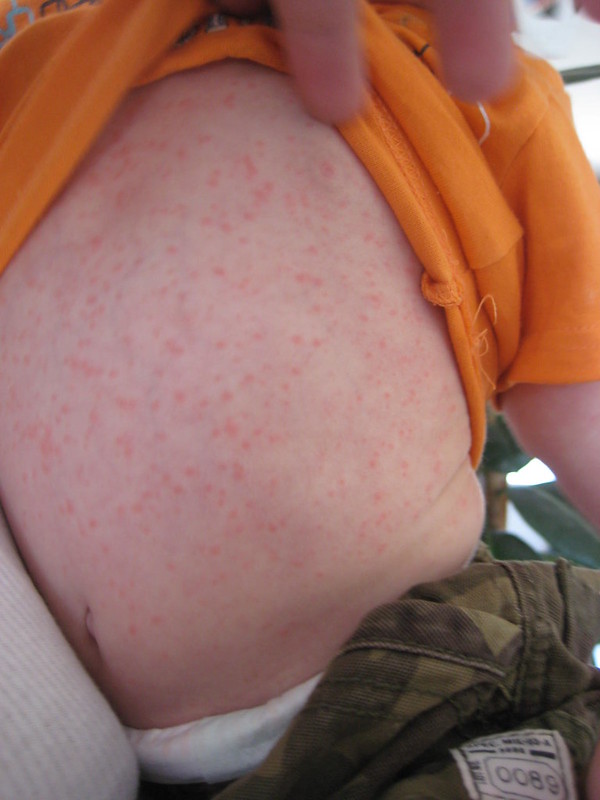
A 25-year-old woman presents with fever, malaise, and a maculopapular rash that started on her face and spread to her trunk and extremities. She also has tender postauricular lymphadenopathy. Which of the following is the most likely diagnosis?
A) Measles
B) Rubella
C) Varicella
D) Roseola
E) Scarlet Fever
A 60-year-old woman with a history of hypertension presents with sudden-onset severe headache, vomiting, and loss of consciousness. Her blood pressure is 220/130 mmHg. A CT scan of the head shows a hemorrhage. What is the most likely location of the hemorrhage?
A) Epidural space
B) Subdural space
C) Subarachnoid space
D) Intraparenchymal
E) Ventricular system
A 32-year-old woman presents with fatigue, weight gain, constipation, and cold intolerance. Physical examination reveals dry skin and a delayed relaxation phase of deep tendon reflexes. Which of the following is the most likely diagnosis?
A 45-year-old man presents with chest pain that occurs at rest and is relieved by nitrates. His ECG shows transient ST-segment elevation during episodes of pain. Which of the following is the most likely diagnosis?
A) Stable angina
B) Unstable angina
C) Myocardial infarction
D) Prinzmetal’s angina
E) Pericarditis
A 70-year-old man with a history of chronic kidney disease presents with fatigue, pallor, and decreased exercise tolerance. Laboratory studies reveal a hemoglobin level of 8 g/dL. Which of the following is the most likely cause of his anemia?
A) Iron deficiency
B) Vitamin B12 deficiency
C) Anemia of chronic disease
D) Hemolytic anemia
E) Aplastic anemia
A 5-year-old boy presents with a 3-day history of fever, sore throat, and difficulty swallowing. Physical examination reveals an erythematous pharynx with tonsillar exudates and tender cervical lymphadenopathy. What is the most likely causative organism?
A) Streptococcus pyogenes
B) Haemophilus influenzae
C) Epstein-Barr virus
D) Mycoplasma pneumoniae
E) Candida albicans
A 40-year-old woman presents with polyuria, polydipsia, and polyphagia. Her fasting blood glucose level is 250 mg/dL. Which of the following is the most likely diagnosis?
D) Syndrome of inappropriate antidiuretic hormone (SIADH)
E) Hyperthyroidism
A 30-year-old man presents with a painless, enlarged cervical lymph node. He reports night sweats, fever, and unintentional weight loss over the past 2 months. A lymph node biopsy shows Reed-Sternberg cells. What is the most likely diagnosis?
A 3-year-old girl is brought to the emergency department with a high fever, drooling, and difficulty breathing. On examination, she is sitting forward with her neck extended and appears anxious. What is the most appropriate next step in management?
A) Administer oral antibiotics
B) Obtain a throat culture
C) Perform a neck X-ray
D) Secure the airway
E) Prescribe corticosteroids
Answers:
C) Chronic Obstructive Pulmonary Disease (COPD) B) Rubella D) Intraparenchymal B) Hypothyroidism D) Prinzmetal’s angina C) Anemia of chronic disease A) Streptococcus pyogenes B) Diabetes mellitus type 2 B) Hodgkin lymphoma D) Secure the airway
I hope you are doing well and reading this. As you are aware, we will be using
Google Forms to administer an upcoming multiple-choice test. I’m writing to
respectfully ask that you take the test and do your best.
It is quick and easy to gauge your level of subject knowledge by taking the
test using Google Forms. As many tests are now taken online, it’s also a
fantastic chance to practice test-taking techniques.
Information for Students
Before beginning the test, please be sure you read and comprehend the
instructions and to have a reliable internet connection. Please do not
hesitate to contact me for help if you run into any technical issues.
COVID-19? treatment of covid 19? is it possible to get a complete cure?
Table oc Contents(toc)
The coronavirus epidemic, also known as COVID-19, has caused a global health crisis unlike any other in recent history. It first emerged in Wuhan, China in December 2019 and has since spread to nearly every country in the world. The virus is highly contagious and can lead to severe illness, with older individuals and those with underlying health conditions being particularly vulnerable.
To combat the spread of the virus, governments around the world have implemented measures such as lockdowns, travel restrictions, and mask mandates. Healthcare systems have been strained as they work to treat patients and prevent the spread of the virus. Many people have also faced economic challenges as businesses have closed and employment has been disrupted.
2025 update on covid 19
As of January 2025, COVID-19 continues to impact global health, though with reduced severity compared to earlier years. Key updates include:
Vaccination Efforts: Over 13 billion vaccine doses have been administered worldwide, significantly reducing severe cases and fatalities. The 2024–2025 vaccines have been updated to target currently circulating strains, with health authorities recommending vaccination for everyone aged 6 months and older.
Emergence of Variant XEC: A new variant, XEC, is spreading rapidly, particularly in Europe, and may become the dominant strain globally. It is a recombinant of two JN.1-related variants, and while current vaccines are not a perfect match, they are expected to provide considerable protection.
Long COVID: Millions continue to experience long-term symptoms such as fatigue and cognitive issues. Research is ongoing to understand and treat these persistent effects.
Combined Vaccines: Pharmaceutical companies are developing combined flu and COVID-19 vaccines, with potential availability by winter 2025–2026, aiming to simplify immunization processes.
Tripledemic Concerns: Health authorities warn of a “tripledemic” threat involving flu, RSV, and COVID-19, urging vulnerable populations to get vaccinated to prevent severe illness and hospitalizations.
Ongoing vigilance, vaccination, and adherence to public health guidelines remain crucial in managing the evolving situation.
Challange of covid 19
Despite the challenges, there have been efforts to find a solution to the crisis. Researchers have been working around the clock to develop vaccines and treatments for COVID-19. In record time, several vaccines have been approved for emergency use and are being distributed globally.
There is hope that with the rollout of vaccines, the world will eventually be able to return to some sense of normalcy.
The virus is highly contagious and can lead to severe illness, with older individuals and those with underlying health conditions being particularly vulnerable.
doctors and nurses wearing masks
However, it is important to remember that the pandemic is not yet over. It is crucial to continue following guidelines and protocols such as wearing masks, practicing social distancing, and getting vaccinated when it becomes available. By working together and taking necessary precautions, we can help to slow the spread of the virus and ultimately bring an end to the epidemic.
In conclusion, the coronavirus epidemic has had a profound impact on the world, causing illness, economic disruption, and loss of life. While there is hope on the horizon with the development of vaccines, it is important to continue taking necessary precautions and working together to bring an end to the crisis.
There are several steps that individuals can take to protect themselves and others from the coronavirus:
Wash your hands frequently with soap and water for at least 20 seconds, or use hand sanitizer if soap and water are not available.
Wear a mask when in public or around others, especially when it is not possible to maintain a distance of at least 6 feet.
Avoid close contact with individuals who are sick or have symptoms of COVID-19.
Stay home if you are feeling unwell or have been in close contact with someone who has tested positive for the virus.
Disinfect frequently touched surfaces such as doorknobs, phones, and keyboards regularly.
Follow guidelines and protocols from your local health authorities and government, such as lockdowns and travel restrictions.
Get vaccinated when it becomes available to you.
By following these precautions, we can all play a role in slowing the spread of the virus and protecting ourselves and others. It is important to remember that these measures are not just for our own benefit, but also for the benefit of the entire community. By working together and taking necessary precautions, we can help to bring an end to the pandemic.
The coronavirus, also known as COVID-19, has caused a global health crisis unlike any other in recent history. While there is no specific treatment for the virus, there are several measures that can be taken to manage the symptoms and improve the chances of recovery.
One of the primary treatments for COVID-19 is supportive care, which involves providing the patient with oxygen, fluids, and other medications as needed to manage symptoms and prevent complications. This can include medications to reduce fever, ease coughing, and prevent pneumonia. In severe cases, patients may require mechanical ventilation or other advanced medical interventions.
There are also several experimental treatments being developed for COVID-19, including antiviral medications and therapies that boost the immune system. These treatments are still being tested and are not widely available, but they hold promise for improving the outcomes of patients with COVID-19.
It is important to note that the best way to protect oneself from COVID-19 is to prevent infection in the first place. This includes following guidelines and protocols such as wearing masks, practicing social distancing, and getting vaccinated when it becomes available. By taking these precautions, we can help to slow the spread of the virus and ultimately bring an end to the pandemic.
Prevention and vaccination against COVID 19
vaccine for covid 19
Vaccines play a critical role in preventing the spread of infectious diseases and protecting individuals from serious illness. The COVID-19 pandemic has highlighted the importance of vaccines more than ever before, with researchers around the world working to develop a vaccine for the virus.
The development and approval of a vaccine typically takes years, but in the case of COVID-19, several vaccines have been developed and approved for emergency use in record time. These vaccines work by introducing a small amount of the virus or a piece of its genetic material into the body, which triggers an immune response. This allows the body to build immunity to the virus, reducing the risk of illness if the individual becomes infected.
Vaccines are typically administered through a series of shots, with booster shots often needed to maintain immunity. It is important to follow the recommended vaccination schedule to ensure optimal protection. Some vaccines may also have side effects, such as soreness at the injection site or mild fever, but these are typically mild and temporary.
The COVID-19 vaccines have undergone rigorous testing to ensure their safety and effectiveness, and have been shown to significantly reduce the risk of illness and death from the virus. Getting vaccinated is not just about protecting oneself, but also about protecting others in the community. By getting vaccinated, we can help to slow the spread of the virus and ultimately bring an end to the pandemic.
There are several vaccines available for COVID-19, each with its own unique characteristics and efficacy. Some of the most widely used vaccines include:
Pfizer-BioNTech vaccine: This vaccine uses a piece of the virus’s genetic material, called messenger RNA (mRNA), to trigger an immune response. It requires two doses administered three weeks apart, and has been shown to be 95% effective in preventing illness.
Moderna vaccine: Similar to the Pfizer-BioNTech vaccine, the Moderna vaccine uses mRNA to trigger an immune response. It also requires two doses administered four weeks apart, and has been shown to be 94% effective in preventing illness.
Johnson & Johnson vaccine: This vaccine uses a harmless virus to deliver a piece of the COVID-19 virus’s genetic material, called DNA, to the body. It requires only one dose, and has been shown to be 66% effective in preventing illness.
AstraZeneca vaccine: This vaccine also uses a harmless virus to deliver DNA, but it requires two doses administered four to 12 weeks apart. It has been shown to be 76% effective in preventing illness.
Each of these vaccines has undergone rigorous testing to ensure their safety and effectiveness, and have been approved for emergency use by various regulatory agencies around the world. It is important to follow the recommended vaccination schedule and guidelines for each vaccine to ensure optimal protection.
दादुरा विरुद्धको खोप स्वास्थ्य संस्थामा निःशुल्क पाइन्छ।
आफ्नो बच्चालाई समयमा यो खोप लगाएमा दादुरा साथै यसले हुने नोक्सानी र ज्यान जान बाट समेत जोगाउन सकिन्छ।
समयमै आफ्नो बच्चा लाई खोप लगाऊ।
दादुराको उपचार dadura treatment
दादुरा लागिसकेपछि कुनै उपचार छैन। लक्षण अनुसारको उपचार दिन सकिन्छ। प्राय मा यो रोग निको भए पनि, केहीलाई भने निकै असार पुर्याउँछ। कहिलेकाहीं ज्यान सम्म जन सक्दछ।
तपाईंको बच्चालाई माथिका लक्षण देखिएमा तुरुन्त स्वास्थ्य संस्थामा संपर्क गर्नुहोला। यो सरुवा रोग भएकाले अरु लाई सार्न दिन हुँदैन।
24. Which is the common muscle for giving an intramuscular injection?
a) Quadriceps b) Deltoid c) Gluteal d) All
25. Muscle fatigue is due to…
a) Lactic acid b) Pyruvic acid c) Oxaloacetic acid d) Ketone bodies
26. Which muscle pulls the angle of the jaw downward, expressing surprise or horror?
a) Platysma b) Trapezius c) Buccinator d) Masseter
27. The attractive bulk of a female’s calf is formed by the… muscle.
a) Hamstring b) Gluteal c) Gastrocnemius d) Rectus femoris
28. Actin, Myosin, and Tropomyosin are parts of…
a) Cartilage b) Skeletal muscle c) Neuron d) Nephron
29. What percentage of oxygen is found in expired air?
a) 10% b) 12% c) 16% d) 21%
30. How many lobes does the right lung possess?
a) 2 b) 3 c) 4 d) 5
31. Trachea is made up of how many ‘C’-shaped hyaline cartilage rings?
a) 16 to 21 b) 10 to 14 c) 7 to 10 d) 8 to 10
32. The space between the two lungs where the heart is situated is called…
a) Hypophyseal fossa b) Hilus c) Sinusoid d) Mediastinum
33. The capacity of air that can be forcibly expired after the deepest possible inspiration is called…
a) Vital capacity b) Tidal volume c) Expiratory reserve volume d) Residual volume
34. What is the tidal volume of air in an adult during quiet and normal breathing?
a) 300 ml b) 500 ml c) 750 ml d) 1000 ml
35. Alveoli are lined internally by…
a) Columnar epithelium b) Ciliated epithelium c) Pavement epithelium d) Cuboidal epithelium
36. The most powerful buffer system in the body is…
a) Protein buffer system b) Phosphate buffer system c) Bicarbonate buffer system d) None
37. Among the 12 pairs of ribs, the first seven pairs are called…
a) False ribs b) Vertebrosternal ribs c) Floating ribs d) Vertebrochondrial ribs
38. The largest and first developed paranasal sinus is…
a) Sphenoid sinus b) Ethmoid sinus c) Maxillary sinus d) Frontal sinus
39. The normal pressure within the pleural cavity is…
a) Positive b) Negative c) Zero d) None of the above
40. During normal respiration, the amount of oxygen absorbed per minute is…
a) 1000 ml b) 750 ml c) 500 ml d) 250 ml
41. The presence of air in the pleural space is known as…
a) Pneumothorax b) Pleural effusion c) Haemothorax d) Pyothorax
42. How much oxygen is carried by 1 gm of hemoglobin in the blood?
a) 0.5 ml b) 1 ml c) 1.34 ml d) 2.35 ml
43. Which is NOT a main function of the circulatory system?
a) To transport nutrients to different tissues of the body b) To provide a defense mechanism c) To maintain acid-base balance d) To regulate temperature
44. The condition in which the number of WBCs decreases very low is…
a) Leukopenia b) Thrombopenia c) Lymphocytosis d) Leukocytosis
45. The artery that supplies the heart itself is called…
a) Cardiac artery b) Coronary artery c) Pulmonary artery d) Brachial artery
46. Enlargement of the heart due to any pathological condition is called…
a) Pericarditis b) Cardiomyopathy c) Myocardial infarction d) Cardiomegaly
47. The only artery that carries impure blood in our body is…
a) Renal artery b) Carotid artery c) Pulmonary artery d) Tibial artery
48. The amount of blood ejected from the heart in one beat is called…
a) Stroke volume b) Cardiac output c) Cardiac cycle d) Heart rate
49. A normal, healthy adult has how much blood?
a) 3 to 4 liters b) 4 to 5 liters c) 5 to 6 liters d) 7 to 10 liters
50. If temperature increases by 1°F, the pulse rate increases by…
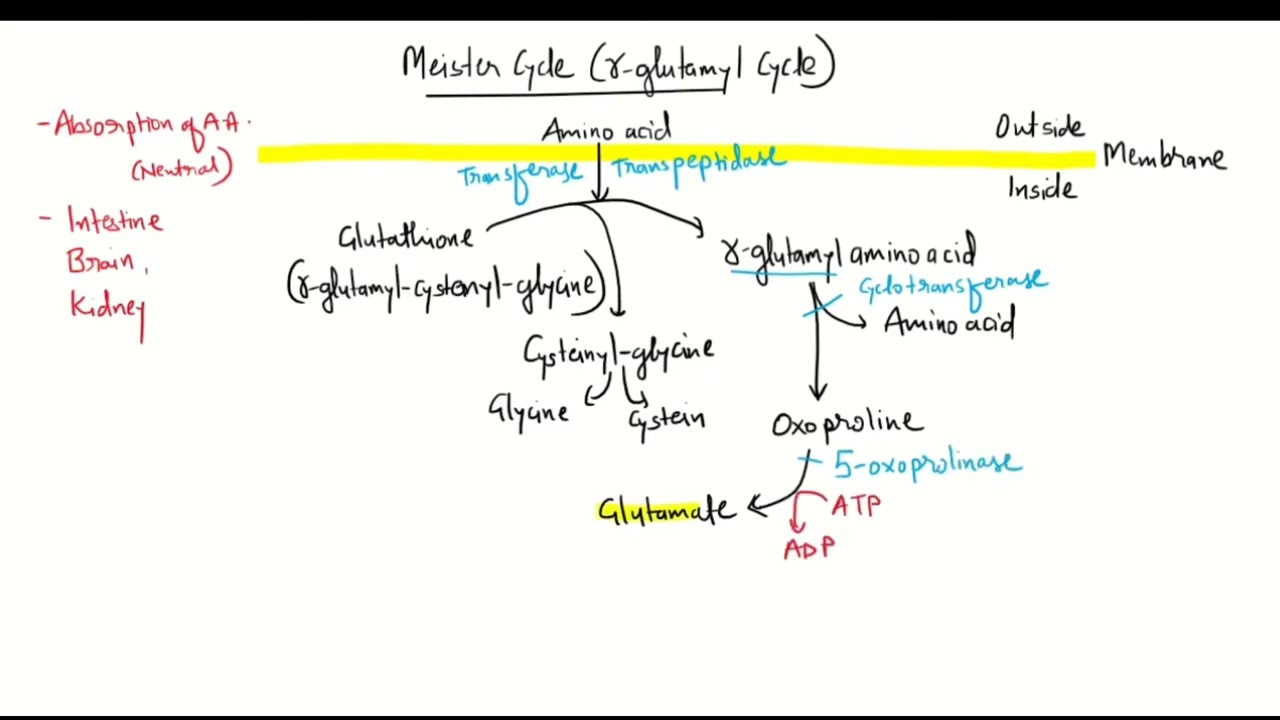
The Meister cycle, also known as the γ-glutamyl cycle, is a crucial biochemical pathway responsible for the synthesis and regulation of glutathione”a vital antioxidant that protects cells from oxidative damage and maintains redox balance. First proposed by biochemist Alton Meister, this cycle also plays a significant role in amino acid transport across cell membranes.
Key Steps of the Meister Cycle
Glutathione Synthesis:
The cycle begins with the synthesis of glutathione (GSH) from its precursor amino acids: glutamate, cysteine, and glycine. This process involves two ATP-dependent enzymatic reactions: Glutamate combines with cysteine to form γ-glutamylcysteine, catalyzed by the enzyme glutamate-cysteine ligase. γ-Glutamylcysteine then conjugates with glycine to produce glutathione, facilitated by glutathione synthetase.
Amino Acid Transport:
Glutathione interacts with γ-glutamyl transpeptidase (GGT) on the cell membrane, transferring its γ-glutamyl group to an amino acid, forming a γ-glutamyl-amino acid complex. This complex is transported into the cell, where it is broken down to release the free amino acid and 5-oxoproline. 5-Oxoproline Conversion: 5-Oxoproline is converted back to glutamate by the enzyme 5-oxoprolinase, allowing the cycle to continue.
The Meister Cycle Mnemonic easy
The Meister Cycle (or the γ-glutamyl cycle) is involved in amino acid transport and glutathione metabolism. A mnemonic to remember the key steps is:
“Good Teachers Always Make Great Notes”
Where each letter corresponds to a step in the cycle:
G → Glutathione (GSH) T → γ-Glutamyl Transferase (GGT) (Transfers glutamyl group to amino acid) A → Amino Acid Transport (Across the membrane) M → γ-Glutamyl Cyclotransferase (Forms 5-oxoproline) G → 5-Oxoprolinase (Converts 5-oxoproline back to glutamate) N → New Glutathione (GSH) Formation This mnemonic helps recall the cycle’s flow, emphasizing glutathione’s role in amino acid transport and metabolism. Let me know if you want a simpler or more detailed version! Physiological Significance: Antioxidant Defense: Glutathione neutralizes reactive oxygen species (ROS), protecting cells from oxidative stress. Detoxification: It conjugates with toxic compounds, facilitating their excretion from the body. Amino Acid Transport: The cycle assists in the uptake of amino acids into cells, essential for protein synthesis and various metabolic processes. Disruptions in the Meister cycle can lead to decreased glutathione levels, impairing cellular defense mechanisms and increasing susceptibility to oxidative damage. Understanding this cycle is fundamental in fields like biochemistry and medicine, especially concerning diseases linked to oxidative stress and amino acid metabolism disorders.
For a visual explanation of the Meister cycle, you might find this video helpful
Disruptions in the Meister cycle, particularly in glutathione metabolism, can lead to various pathological conditions. These disorders arise due to impaired antioxidant defense, defective amino acid transport, and metabolic imbalances. Below are some key pathologies associated with the Meister cycle:
Glutathione Deficiency Disorders Glutathione Synthetase Deficiency: A rare autosomal recessive disorder causing severe metabolic acidosis, hemolytic anemia, and neurological symptoms due to the inability to synthesize glutathione. 5-Oxoprolinuria (Pyroglutamic Aciduria): Caused by defects in glutathione synthetase or 5-oxoprolinase, leading to excessive urinary excretion of 5-oxoproline, metabolic acidosis, and neurological impairment.
Oxidative Stress-Related Diseases Neurodegenerative Disorders: Conditions like Parkinson disease, Alzheimers disease, and amyotrophic lateral sclerosis (ALS) are associated with decreased glutathione levels, leading to increased oxidative damage in neurons. Cardiovascular Diseases: Oxidative stress due to glutathione imbalance contributes to atherosclerosis, hypertension, and myocardial infarction. Cancer: Some cancers exploit glutathione metabolism to resist oxidative stress and chemotherapy, making it a target for cancer treatment strategies.
Metabolic and Genetic Disorders Cystic Fibrosis: Patients often exhibit reduced glutathione levels in lung epithelial lining fluid, contributing to chronic inflammation and oxidative damage. Diabetes Mellitus: Oxidative stress from glutathione depletion plays a role in insulin resistance and complications like diabetic neuropathy and nephropathy.
Liver and Kidney Diseases Hepatic Disorders: Conditions like non-alcoholic fatty liver disease (NAFLD) and alcoholic liver disease show glutathione depletion, impairing detoxification and increasing liver damage. Chronic Kidney Disease (CKD): Impaired glutathione metabolism in CKD contributes to oxidative stress and progression of renal dysfunction.
Drug and Toxin Sensitivity Acetaminophen (Paracetamol) Toxicity: Overdose depletes glutathione stores, leading to hepatotoxicity. Treatment involves N-acetylcysteine (NAC), a glutathione precursor. Heavy Metal Toxicity: Lead, mercury, and cadmium deplete glutathione, increasing cellular damage.
The Meister cycle plays a crucial role in maintaining cellular health by regulating glutathione levels. Disruptions in this cycle contribute to a wide range of diseases, from genetic disorders to age-related neurodegeneration. Understanding these associations is essential for developing targeted therapeutic interventions.
I’m a MBBS doctor from Nepal, Dr. Chaitanya Joshi, Currently practicing in Kathmandu. My lifelong interests have been in medicine and science, and I can’t wait to share my knowledge and experiences with you all. I am always learning as a doctor and looking for new methods to advance my abilities and expertise.
Childhood
I do, however, also have a desire to share my knowledge and experience with
others. I started this blog in order to interact with other people who have a
similar love of science and medicine while also sharing my ideas, observations,
and experiences as a doctor.
Education
The other purpose of my blog is also to teach the
students and my juniors various stuffs regarding medicine and scence as well.
Current Activities
I
hope that by writing this blog, I will encourage people to follow their
passions.
Dr Chaitanya Joshi
Involvements
I have a hope that this website/blog will someday turn into a medical / sciencce
hub that will host a lot of medical/science education mostly for Nepalese and
Indian communities for better knowledge regarding the topics.
Future Plans
Please contact me if you have any query using contact us button abve or
bottom.
Acetaminophen poisoning (Paracetamol overdose) : Medical summary for nerds
Emergency sign in a hospital
(For specific and authentic data please visit toxbase database or contact your local authority)
Table of contents(toc)
1. What is paracetamol?
Paracetamol is a medication with chemical name para-hydroxyacetanilide (N-4- hydroxyphenylethanamide) commonly used as mild analgesic and antipyretic i.e., to control pain and reduce fever.
The common brand names include Tylenol and Panadol. The brand names in Nepal and India include Algina, Amol, Ampol, Anmol, Bisek, Cemol, Cetamol, Cetafast, Cetophen, Dolo, Dolopar, Evamol, Febrex, Femol, G-MOL, Hedex, Lotemp, Medomol, Monamol, Napa, Niko, Pacimol, Paracet, Paramol, Parapain, Phenocet, PICIMOL, Polar, Pyrinol, Rexamol, Supa, Supumol, Symol, Timol, Winmol, Panadol and hundreds of more.
Occasionally Paracetamol, acetaminophen is also abbreviated as PCM in Nepal and India.
2. How is paracetamol/acetaminophen given?
Paracetamol or Acetaminophen comes in multiple dosage forms including oral tablets, syrup and suspensions, oral drops, capsules, chewable tablets, suppositories and injectables like intramuscular IM injections and IV intravenous injection forms. This drug is also available in suppository form for per rectal route (PR).
3. How does Paracetamol work? Mechanism of action of Paracetamol (Mechanism of action of Acetaminophen)?
Paracetamol when taken by any route reaches blood and from there to hypothalamus which is part of brain.
This part of brain controls the temperature of the body and by manipulating the part, paracetamol controls fever.
The mechanism by which it controls pain is not clear yet.
4. What is the dose of Paracetamol / Acetaminophen? Can drug overdose occur with paracetamol?
The general recommended dose of paracetamol is 10-15 mg/kg per dose up to four times a day and for adults it can be given up to one gram per dose four times a day. At this dose it is useful for pain management as well as fever control. Maximum recommended dose is up to 4 grams i.e., 4000 mg per day under supervision of doctor to prevent toxicity and side effects.
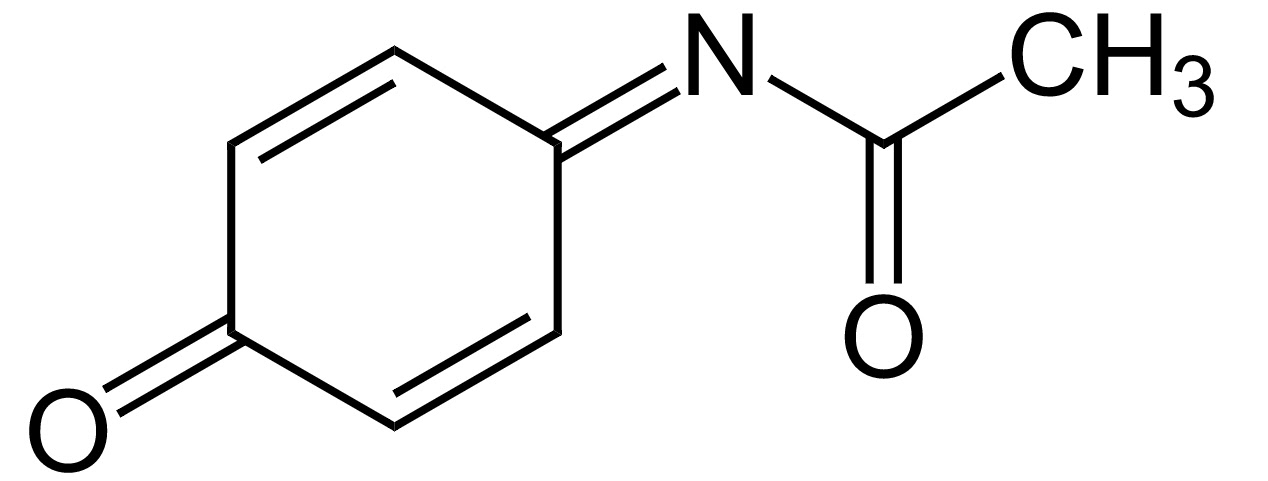
molecular structure of paracetamol
5. What are the dosage concentrations or tablets available for PCM/ Paracetamol?
Paracetamol is available in following dosage forms:
Tablets and capsules: 250 mg, 500 mg, 325 mg and 650 mg
Suppositories: 125 mg, 250 mg
Syrup for children /pediatric: 125 mg/5ml, 250 mg/5ml, 500mg/5ml
Drop for children/pediatric: 200mg/5ml, 400 mg/5ml
Various other concentrations are available in other parts of the world as well. The drug is also available in combination with various other group of drugs and medications like antihistamines, opioids (like tramadol+Paracetamol, codeine+paracetamol), cough medications, muscle relaxants and NSAIDS like ibuprofen (Flexon) etc.
Yes. Paracetamol can cause overdose and related side effects if given in dose recommended above. Hence, when you need to take high dose of paracetamol or repeated dose of paracetamol you should consider consulting a physician. Single very high dose for paracetamol can be very dangerous while repeated high doses can also lead to hepatic toxicity.
7. What happens when you overdose on paracetamol or acetaminophen? What are the symptoms of acute toxicity?
Overdose may occur if paracetamol is taken more than recommended dose by any route. The paracetamol poisoning (paracetamol toxicity or overdose) hits on liver mainly. It causes liver injury and finally liver damage and liver failure after high dose is taken. The liver may completely stop working also called fulminant liver failure. The patient may go into coma and subsequent multiorgan failure leading to death with few days.
The dose at which symptoms and signs of Paracetamol overdose occur in adults is 7.5-10g.
8. Will taking one or two extra tablets cause overdose? How many tablets of paracetamols can cause toxicity?
No. Generally, fulminant liver toxicity may not occur if you take one or two extra tablets. Generally, 8 tables of 500mg dose are safe in healthy adults.
9. What happens to the paracetamol or any drug that is in our body? Metabolism of Paracetamol/ Pharmacokinetics of Paracetamol?
Paracetamol is metabolized mainly in liver. It occurs in the microsomal enzyme system and by the reaction called conjugation. Thus-formed by products are excreted in urine.
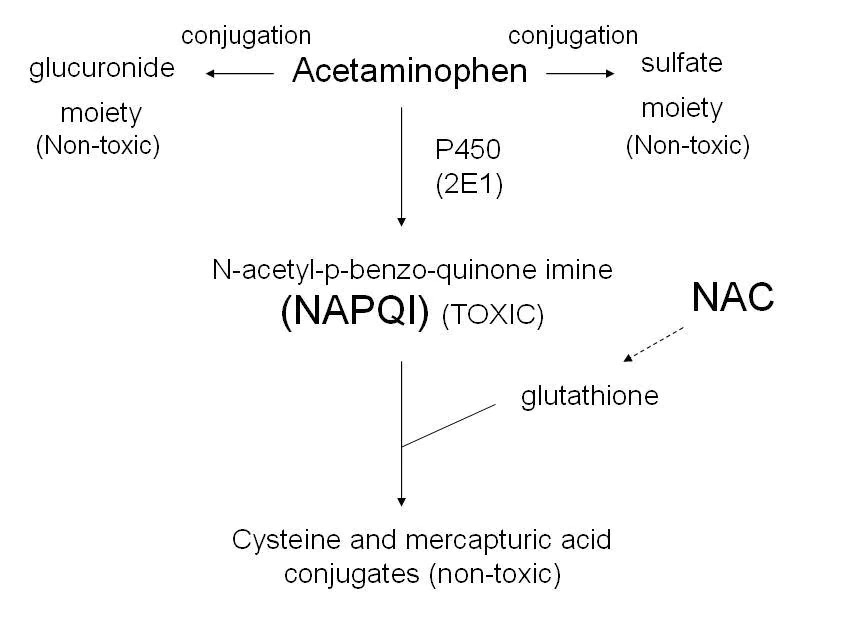
10. How does paracetamol toxicity occur? What is pathophysiology of Paracetamol / PCM poisoning?
A single high dose or repeated dose making total large amount in a day or two may cause liver injury.
It is most common cause of acute liver failure in united states.
Dose and Chance of toxicity
Single dose of 7.5-10 g
Unlikely
Single dose of 250mg/kg or more than12g/24hr
Toxicity is likely to occur
Dose of more than 350mg/kg
All patient develop toxicity
Mechanism of poisoning and toxicity is also explained in the image above.
NAC ( N-acetyl cysteine) is the antidote of paracetamol poisoning
11. Symptoms and signs of paracetamol toxicity, acetaminophen toxicity:
a. Asymptomatic
No symptoms
b. Symptoms may appear up to only after 24-48 hours
Phases of toxicity:
Phase 1:
Up to 24 hours Anorexia or decreases appetite
Nausea and vomiting Malaise
Phase 2:
Up to 72 hours
Liver pain, right upper abdomen pain
Anorexia
Nausea and vomiting Low blood pressure and increased heart rate
Phase 3: Hepatic phase
3 days to 4 days
Nausea and vomiting continues
Abdominal pain
Lier starts to be destroyed and necrosis starts
Jaundice
Bleeding
Hypoglycemia (fall in sugar levels)
Death due to multiorgan failure
Phase 4: Recovery phase
4 days to 21 days
Patient who recovered from phase 3 go into resolution of the symptoms
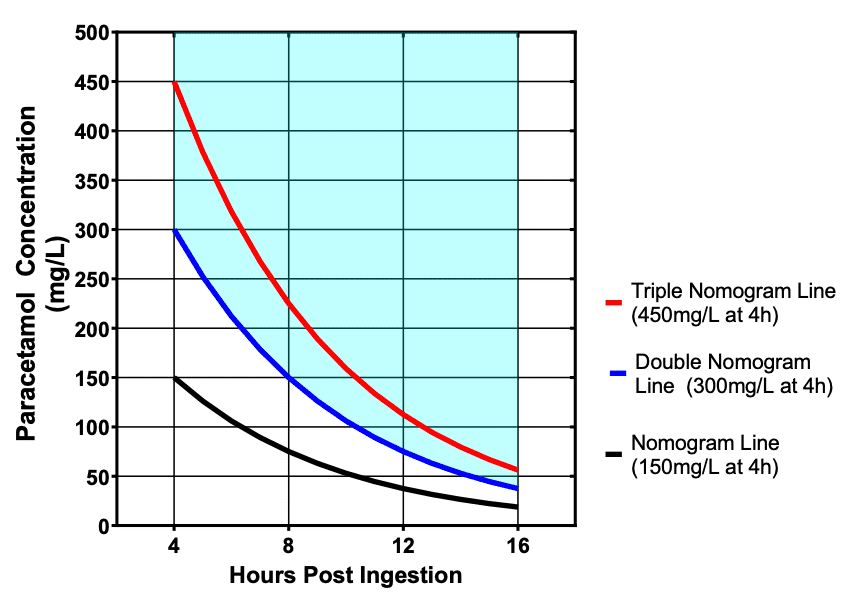
It is the chart used to detect possibility of hepatotoxicity after single dose ingestion of Acetaminophen (paracetamol). Serum (blood) acetaminophen (paracetamol) level is used for this prediction. This begins after 4 hours of ingestion and continued till 24 hours. Around 60% of people with blood paracetamol level above probable line will develop hepatotoxicity.
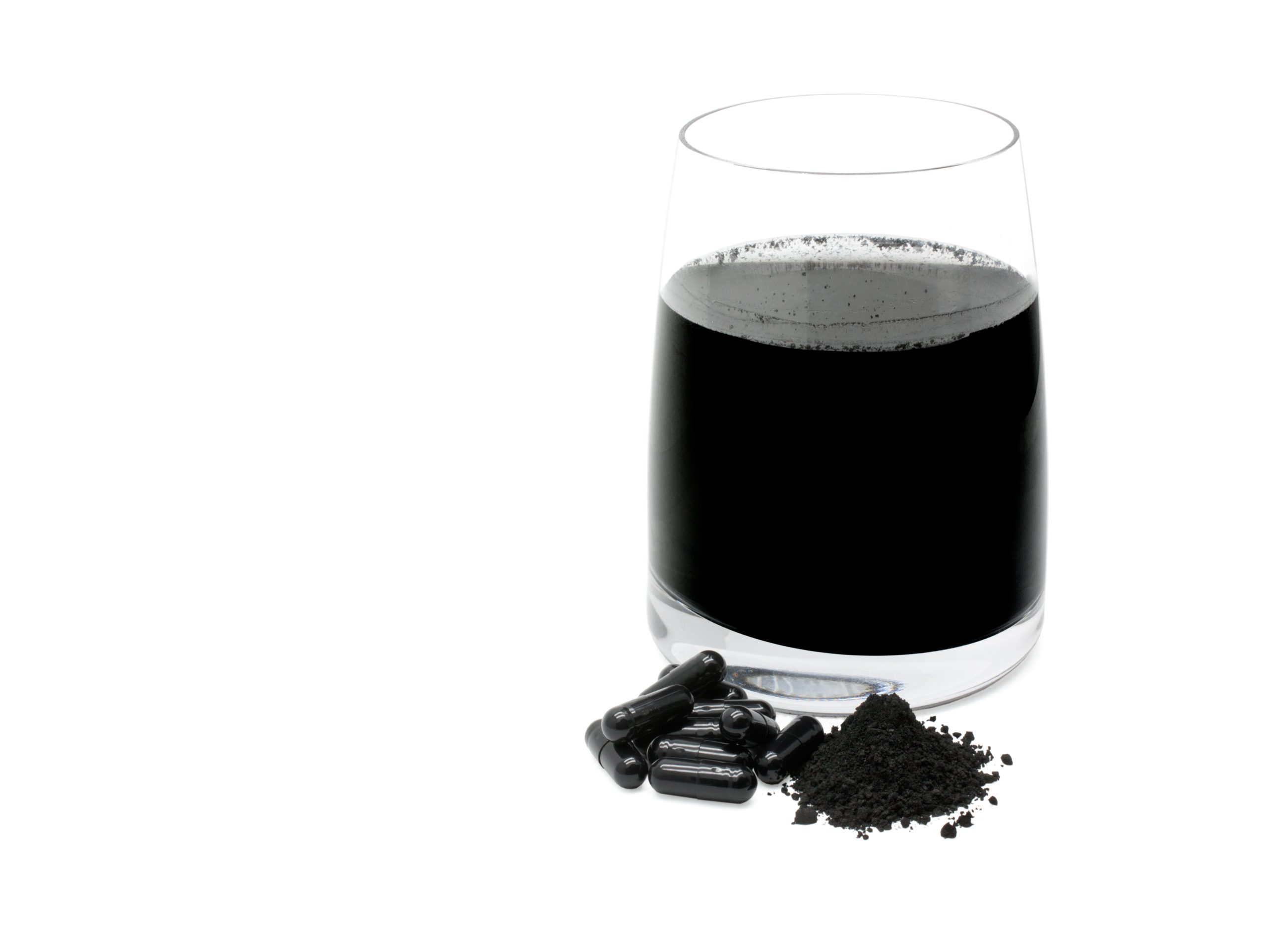
activated charcol used for paracetamol poisoning
14. How is paracetamol or acetaminophen overdose/toxicity treated?
a. Gastrointestinal decontamination using Activated charcoal (AC) if within one hour b. Then if the patient has taken dose less than toxic, they can be discharged home but if they have taken more than toxic dose they should be treated with N-acetyl cysteine (NAC)
activated charcol in a container used for paracetamol poisoning
NAC given within 8 hours is 100% effective
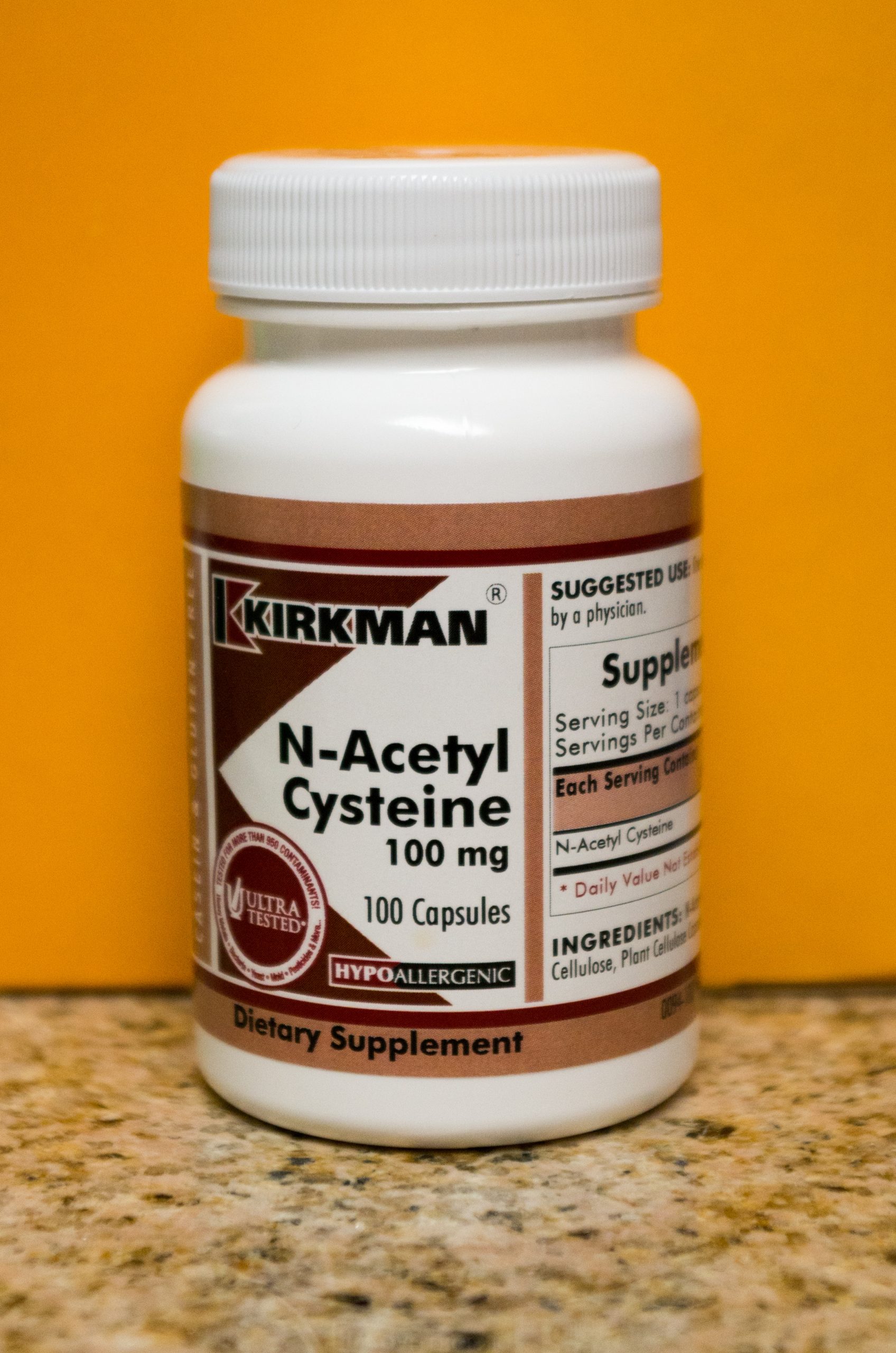
NAC ( N-acetyl cysteine) is the antidote of paracetamol poisoning
i. NAC is available in both oral and IV formulations ii. IV formulation is generally preferred iii. The oral dosage is as follows
a. Loading dose is 140 mg/kg b. Total 17 doses of 70 mg/kg given every four hourly in total duration of 72 hours. c. IV NAC is also preferred when orally not tolerated or contraindicated iv. The IV dose is as follows
a. Loading dose: is given as 150 mg/kg; mixed in 200 mL of 5% dextrose solution(D5) and infused over 1 hour
b. Dose 2 is given 50 mg/kg in 500 mL D5 infused over 4 hours
c. Dose 3 is given 100 mg/kg in 1000 mL D5 over 16 hours
NAC ( N-acetyl cysteine) is the antidote of paracetamol poisoning
15. Is liver transplant required for paracetamol poisoning?
If medical treatment for Paracetamol poisoning fails due to various reasons the liver completely stops working and never comes back also known as hepatic failure. Such patients if survived may need liver transplant.
16. What happens if I the patient comes late?
If the patient presents within 24 hours, then NAC still can be effective and should be started. The patient is further evaluated for potential toxicity of the acetaminophen and its effects as well. NAC also helps in liver repair in case of injures that have already occurred.
17. Which antiemetics can be given for nausea and vomiting?
Metoclopramide and Ondansetron are useful in this case. Metoclopramide is the drug of choice.
18. What is plasma acetaminophen level and whyis it required?
The doctor may require to check Plasma/blood level of paracetamol if the patient presents late and the amount of Paracetamol/acetaminophen ingested could not be told by the patient. This is useful to plan treatment accordingly.
Disclaimer: This information is for educationsl purpose only and is mainly for medical students with technical knoledge. If youre searching for medical advice please contact your doctor or nearby hospital. If anyone had taken more than recommended dose paaracetamol please take that person to hospital immidiately or contact your emergency health services immidiately.
34. The first milk produced by the mother after childbirth is known as:
A) Hindmilk
B) Colostrum
C) Mature milk
D) Foremilk
Medical-Surgical Nursing
35. Which of the following is a common postoperative complication?
A) Hyperglycemia
B) Deep vein thrombosis
C) Hypotension
D) Hyperkalemia
36. What is the primary cause of peptic ulcers?
A) Stress
B) Helicobacter pylori
infection
C) Spicy food
D) Alcohol consumption
37. A patient with COPD is most likely to exhibit which symptom?
A) Bradycardia
B) Cyanosis
C) Hypotension
D) Weight gain
38. The most effective method to prevent pressure ulcers in bed-ridden
patients is:
A) Using a special mattress
B) Regularly changing the
patient’s position
C) Massaging bony
prominences
D) Keeping the skin dry
39. The term “nosocomial infection” refers to an infection that is:
A) Acquired in the
community
B) Acquired in a healthcare
facility
C) Resistant to antibioticsantibiotics
D) Caused by a virus
Community Health Nursing
40. What is the primary focus of community health nursing?
A) Hospital-based care
B) Preventive care
C) Acute care
D) Long-term care
41. In which setting would a community health nurse most likely work?
A) Hospital
B) School
C) Pharmacy
D) Laboratory
42. What is the primary goal of health education in the community?
A) To diagnose diseases
B) To promote healthy
behaviors
C) To dispense medications
D) To perform surgeries
43. The term “epidemiology” refers to the study of:
A) Human behavior
B) Disease patterns in
populations
C) Medication effects
D) Healthcare economics
Leadership and Management
44. What is the primary role of a nurse manager?
A) Direct patient care
B) Budget management
C) Staff scheduling
D) Policy development
45. Which leadership style encourages participation from all team
members?
A) Autocratic
B) Democratic
C) Laissez-faire
D) Transactional
46. The process of evaluating employee performance is called:
A) Coaching
B) Mentoring
C) Performance appraisal
D) Conflict resolution
Ethical and Legal Issues
47. Which principle emphasizes the importance of telling the truth?
A) Autonomy
B) Nonmaleficence
C) Veracity
D) Justice
48. What is the legal doctrine that protects healthcare professionals
from liability for rendering emergency care?
A) Informed consent
B) Res ipsa loquitur
C) Good Samaritan law
D) Negligence
49. Which ethical principle guides healthcare professionals to do good?
A) Autonomy
B) Beneficence
C) Nonmaleficence
D) Justice
50. What is the legal age of consent for medical treatment in Nepal?
A) 16 years
B) 18 years
C) 21 years
D) 25 years
Research in Nursing
51. What is the purpose of a literature review in nursing research?
A) To summarize the findings
of the study
B) To identify gaps in
existing knowledge
C) To recruit participants for
the study
D) To analyze the data
collected
52. Which type of research design involves manipulating variables to
establish cause-and-effect relationships?
A) Descriptive research
B) Correlational research
C) Experimental research
D) Qualitative research
53. What is a hypothesis in nursing research?
A) A tentative prediction
about the relationship between variables
B) A summary of existing
literature on the topic
C) A statement of the study’s
objectives
D) A description of the study
population
Nursing Informatics
54. What is the primary purpose of electronic health records (EHRs) in
nursing practice?
A) To bill insurance companies
for services provided
B) To document patient care in
a digital format
C) To communicate with other
healthcare providers
D) To order medications and
treatments for patients
55. What is the role of a nurse informaticist?
A) To provide direct patient
care
B) To develop software for
healthcare applications
C) To analyze and manage
healthcare data
D) To conduct nursing
research
Gerontological Nursing
56. What is a common health issue faced by older adults?
A) Autism
B) Scoliosis
C) Hypertension
D) Cleft lip
57. Which intervention is helpful in preventing falls in older adults?
A) Encouraging high-risk
activities
B) Limiting physical
activity
C) Ensuring adequate
lighting
D) Encouraging use of scatter
rugs
Pediatric Nursing
58. What is a common immunization given to infants at birth?
A) MMR
B) DTaP
C) Hepatitis B
D) Varicella
59. Which milestone typically occurs in infants at around 6 months of
age?
A) Walking independently
B) Crawling
C) Babbling
D) Smiling
Pediatric Nursing
58. What is a common immunization given to infants at birth?
A) MMR
B) DTaP
C) Hepatitis B
D) Varicella
59. Which milestone typically occurs in infants at around 6 months of
age?
A) Walking independently
B) Crawling
C) Babbling
D) Smiling
Nutrition and Diet Therapy
60. What is the recommended daily intake of water for adults?
A) 1 liter
B) 2 liters
C) 3 liters
D) 4 liters
61. Which nutrient is the body’s primary source of energy?
A) Protein
B) Fat
C) Carbohydrate
D) Vitamin
Emergency Nursing
62. What is the first step in the nursing process during an emergency
situation?
A) Diagnosis
B) Assessment
C) Planning
D) Evaluation
63. What is the primary goal of triage in the emergency department?
A) Provide definitive care
B) Determine the severity of
injuries/illnesses
C) Administer pain relief
D) Document patient
complaints
Surgical Nursing
64. What is the purpose of preoperative teaching for surgical patients?
A) To administer anesthesia
B) To reduce anxiety and
promote recovery
C) To monitor vital signs
during surgery
D) To perform postoperative
care
65. Which complication is common after abdominal surgery?
A) Urinary tract infection
B) Pneumonia
C) Deep vein thrombosis
D) Migraine headache
Obstetric Nursing
66. What is the role of a doula during childbirth?
A) Perform medical
interventions
B) Provide emotional and
physical support
C) Administer anesthesia
D) Assist with surgical
procedures
67. Which position is often recommended for a woman in labor to ease
pain?
A) Supine
B) Prone
C) Sitting upright
D) Lateral
Rehabilitation Nursing
68. What is the primary goal of rehabilitation nursing?
A) To provide acute care
B) To promote independence and
improve function
C) To prevent readmissions
D) To administer medication
69. Which healthcare professional typically leads a rehabilitation team?
A) Physician
B) Nurse
C) Physical therapist
D) Social worker
Palliative Care Nursing
70. What is the primary goal of palliative care?
A) Cure the underlying
disease
B) Provide comfort and improve
quality of life
C) Administer aggressive
treatment
D) Extend life expectancy
71. Which symptom is commonly managed in palliative care?
A) Treating only physical
symptoms
B) Addressing the whole
person: body, mind, and spirit
C) Prescribing medication
D) Performing surgeries
73. Which complementary therapy is commonly used in holistic nursing to
promote relaxation?
A) Acupuncture
B) Aromatherapy
C) Radiation therapy
D) Chemotherapy
Mental Health Nursing
74. What is the primary focus of psychiatric nursing?
A) Physical health
B) Emotional and mental
well-being
C) Social interactions
D) Cognitive function
75. Which therapeutic communication technique involves restating the
client’s message in the nurse’s own words?
A) Reflection
B) Clarification
C) Validation
D) Paraphrasing
Infectious Disease Nursing
76. Which precaution is recommended when caring for a patient with
tuberculosis (TB)?
A) Airborne precautions
B) Droplet precautions
C) Contact precautions
D) Standard precautions
77. What is a common symptom of influenza?
A) Rash
B) Cough
C) Jaundice
D) Diarrhea
Substance Abuse Nursing
78. What is the first step in the nursing process when caring for a
client with substance abuse?
A) Diagnosis
B) Assessment
C) Planning
D) Evaluation
79. Which medication is commonly used in the treatment of opioid
addiction?
A) Methadone
B) Antibiotics
C) Antidepressants
D) Insulin
Wound Care Nursing
80. What is the first step in wound healing?
A) Maturation
B) Inflammation
C) Proliferation
D) Hemostasis
81. Which type of wound dressing promotes a moist wound environment?
A) Dry gauze
B) Hydrocolloid
C) Alginate
D) Transparent film
Oncology Nursing
82. Which type of cancer affects the blood and bone marrow?
A) Leukemia
B) Melanoma
C) Lung cancer
D) Breast cancer
83. What is the primary treatment modality for cancer?
A) Surgery
B) Radiation therapy
C) Chemotherapy
D) Immunotherapy
Cardiovascular Nursing
84. What is the primary nursing intervention for a patient with chest
pain?
A) Administer pain
medication
B) Perform CPR
C) Assess vital signs
D) Activate emergency
response
85. Which condition is characterized by irregular heart rhythms?
A) Bradycardia
B) Tachycardia
C) Arrhythmia
D) Hypertension
Renal Nursing
86. Which laboratory test is used to assess kidney function?
A) Complete blood count
(CBC)
B) Liver function tests
(LFTs)
C) Urinalysis
D) Serum creatinine
87. What is the primary goal of treatment for acute kidney injury?
A) Prevent further kidney
damage
B) Reverse kidney failure
C) Improve urine output
D) Normalize electrolyte
levels
Endocrine Nursing
88. Which hormone regulates blood sugar levels?
A) Insulin
B) Thyroid hormone
C) Cortisol
D) Growth hormone
89. Which condition is characterized by excess production of cortisol?
A) Addison’s disease
B) Cushing’s syndrome
C) Hypothyroidism
D) Hyperthyroidism
Gastrointestinal Nursing
90. Which condition is characterized by inflammation of the stomach
lining?
A) Gastritis
B) Hepatitis
C) Pancreatitis
D) Cholecystitis
91. What is the primary treatment for peptic ulcer disease?
A) Antibiotics
B) Antiviral medication
C) Proton pump inhibitors
D) Blood transfusion
Intensive Care Nursing
92. What is the primary goal of mechanical ventilation?
A) Provide oxygenation
B) Prevent infection
C) Promote circulation
D) Control pain
93. Which complication is associated with prolonged immobility in
critically ill patients?
A) Pressure ulcers
B) Hypertension
C) Hypoglycemia
D) Osteoporosis
Perioperative Nursing
94. What is the primary role of the circulating nurse in the operating
room?
A) Assist with surgical
procedures
B) Provide anesthesia
C) Manage the sterile field
D) Coordinate activities and
ensure safety
95. Which phase of surgery involves preparing the patient for the
procedure?
A) Preoperative phase
B) Intraoperative phase
C) Postoperative phase
D) Recovery phase
Community Health Nursing
96. What is the focus of community health nursing?
A) Individual patient care
B) Promoting health and
preventing disease in populations
C) Administering
vaccinations
D) Conducting research in
healthcare facilities
97. Which intervention is commonly performed by community health nurses?
A) Prescribing medications
B) Conducting home visits
C) Performing surgeries
D) Providing inpatient care
Leadership and Management in Nursing
98. What is the primary role of a nurse manager?
A) Providing direct patient
care
B) Managing nursing staff and
resources
C) Conducting research
studies
D) Teaching nursing
students
99. Which leadership style involves a leader who encourages
participation and input from team members?
A) Autocratic
B) Democratic
C) Laissez-faire
D) Transactional
Legal and Ethical Issues in Nursing
100. What is the primary purpose of the Nurse Practice Act?
A) To establish educational
requirements for nursing programs
B) To regulate the practice
of nursing and protect public health
C) To provide financial
assistance to nursing students
D) To certify nursing
assistants