Category: Uncategorized
CMA LokSewa model MCQ free for Nepal (free MCQ)
CMA LokSewa model MCQ free for Nepal (free MCQ) 2081
Here are 30 multiple-choice questions (MCQs) in the CMA Loksewa model format, based on real and past exam patterns in Nepal. Answer keys are listed at the end.
CMA Loksewa Model MCQ
Section 1: Anatomy & Physiology
1. Which of the following is the largest organ in the human body?
a) Liver
b) Heart
c) Skin
d) Kidney
2. What is the normal range of hemoglobin in adult males?
a) 9-11 g/dL
b) 12-16 g/dL
c) 14-18 g/dL
d) 10-14 g/dL
3. The sinoatrial (SA) node is located in which part of the heart?
a) Right atrium
b) Left atrium
c) Right ventricle
d) Left ventricle
4. Which blood cells are responsible for clotting?
a) Erythrocytes
b) Leukocytes
c) Thrombocytes
d) Monocytes
5. The primary function of the nephron is:
a) Production of insulin
b) Filtration of blood
c) Transport of oxygen
d) Regulation of blood pressure
Section 2: Pharmacology
6. Paracetamol is mainly used as a:
a) Antibiotic
b) Antipyretic
c) Anticoagulant
d) Antihypertensive
7. What is the antidote for paracetamol overdose?
a) Naloxone
b) Atropine
c) N-acetylcysteine
d) Flumazenil
8. Which of the following drugs is NOT a beta-blocker?
a) Atenolol
b) Propranolol
c) Nifedipine
d) Metoprolol
9. Which vitamin deficiency leads to night blindness?
a) Vitamin A
b) Vitamin B1
c) Vitamin C
d) Vitamin K
10. Metformin is used to treat:
a) Hypertension
c) Epilepsy
d) Asthma
Section 3: Microbiology & Infection Control
11. Koch’s postulates are used to identify:
a) Bacteria causing disease
b) Normal flora of the body
c) Cancerous cells
d) Genetic disorders
12. Sterilization means:
a) Killing all microorganisms including spores
b) Killing only bacteria
c) Removal of dirt and debris
d) Washing hands with soap
13. Which of the following is a Gram-negative bacteria?
a) Staphylococcus aureus
b) Clostridium tetani
c) Escherichia coli
d) Bacillus anthracis
14. Hepatitis B is transmitted through:
a) Contaminated food
b) Contaminated water
c) Blood and body fluids
d) Airborne droplets
15. Autoclaving is done at:
a) 100°C for 30 minutes
b) 121°C for 15 minutes under 15 psi pressure
c) 70°C for 20 minutes
d) 200°C for 10 minutes
Section 4: Community Health & Epidemiology
16. The infant mortality rate (IMR) refers to the number of deaths per 1,000 live births in:
a) First 28 days of life
b) First 6 months of life
c) First year of life
d) First 5 years of life
17. DOTS strategy is used in the treatment of:
a) Malaria
b) Tuberculosis
c) HIV/AIDS
d) Typhoid
18. The main goal of primary health care is:
a) Specialized medical services
b) Costly healthcare facilities
c) Prevention and promotion of health
d) Only curative services
19. The normal BMI range for a healthy adult is:
a) 10-15 kg/m²
b) 18.5-24.9 kg/m²
c) 25-30 kg/m²
d) 30-35 kg/m²
20. Which vaccine is given at birth in Nepal’s immunization schedule?
a) OPV
b) DPT
c) BCG
d) Hepatitis A
Section 5: First Aid & Emergency Care
21. CPR compression rate for adults is:
a) 30 compressions per minute
b) 60 compressions per minute
c) 100-120 compressions per minute
d) 200 compressions per minute
22. Which is the best method to control severe bleeding?
a) Elevation
b) Applying direct pressure
c) Applying ice
d) Giving aspirin
23. Burns covering more than 30% of body surface area are classified as:
a) Minor burns
b) Moderate burns
c) Severe burns
d) First-degree burns
24. Choking in an adult should be managed using:
a) Chest compressions
b) Heimlich maneuver
c) Giving water
d) Holding breath
25. Fracture immobilization is done using:
a) Stethoscope
b) Bandage
c) Splint
d) Tourniquet
Section 6: Loksewa General Knowledge & Ethics
26. The current health minister of Nepal (as of 2025) is:
a) (Check latest)
27. The number of provincial hospitals in Nepal is:
a) 5
b) 7
c) 10
d) 12
28. Health ethics emphasize:
a) Patient confidentiality
b) Selling expensive medicines
c) Prioritizing rich patients
d) Hiding medical errors
29. The full form of NHRC in Nepal is:
a) National Health Resource Center
b) National Human Rights Commission
c) Nepal Health Research Council
d) Nepal Hospital and Research Center
30. Janakpur is the capital of:
a) Province 1
b) Bagmati Province
c) Madhesh Province
d) Lumbini Province
Answer Key
1. c) Skin
2. c) 14-18 g/dL
3. a) Right atrium
4. c) Thrombocytes
5. b) Filtration of blood
6. b) Antipyretic
7. c) N-acetylcysteine
8. c) Nifedipine
9. a) Vitamin A
10. b) Diabetes mellitus
11. a) Bacteria causing disease
12. a) Killing all microorganisms including spores
13. c) Escherichia coli
14. c) Blood and body fluids
15. b) 121°C for 15 minutes under 15 psi pressure
16. c) First year of life
17. b) Tuberculosis
18. c) Prevention and promotion of health
19. b) 18.5-24.9 kg/m²
20. c) BCG
21. c) 100-120 compressions per minute
22. b) Applying direct pressure
23. c) Severe burns
24. b) Heimlich maneuver
25. c) Splint
26-27. (Check latest info)
28. B a) Patient confidentiality
29. c) Nepal Health Research Council
30. c) Madhesh Province
Let me know if you need more!
Acne: Basics to know and treatment in Nepali: के हो र कसरि उपचार गर्ने? के एक्ने उपचार सम्भव छ?
के हो र कसरि उपचार गर्ने? के एक्ने उपचार सम्भव छ? Acne in Nepali
एकने भनेको के हो?
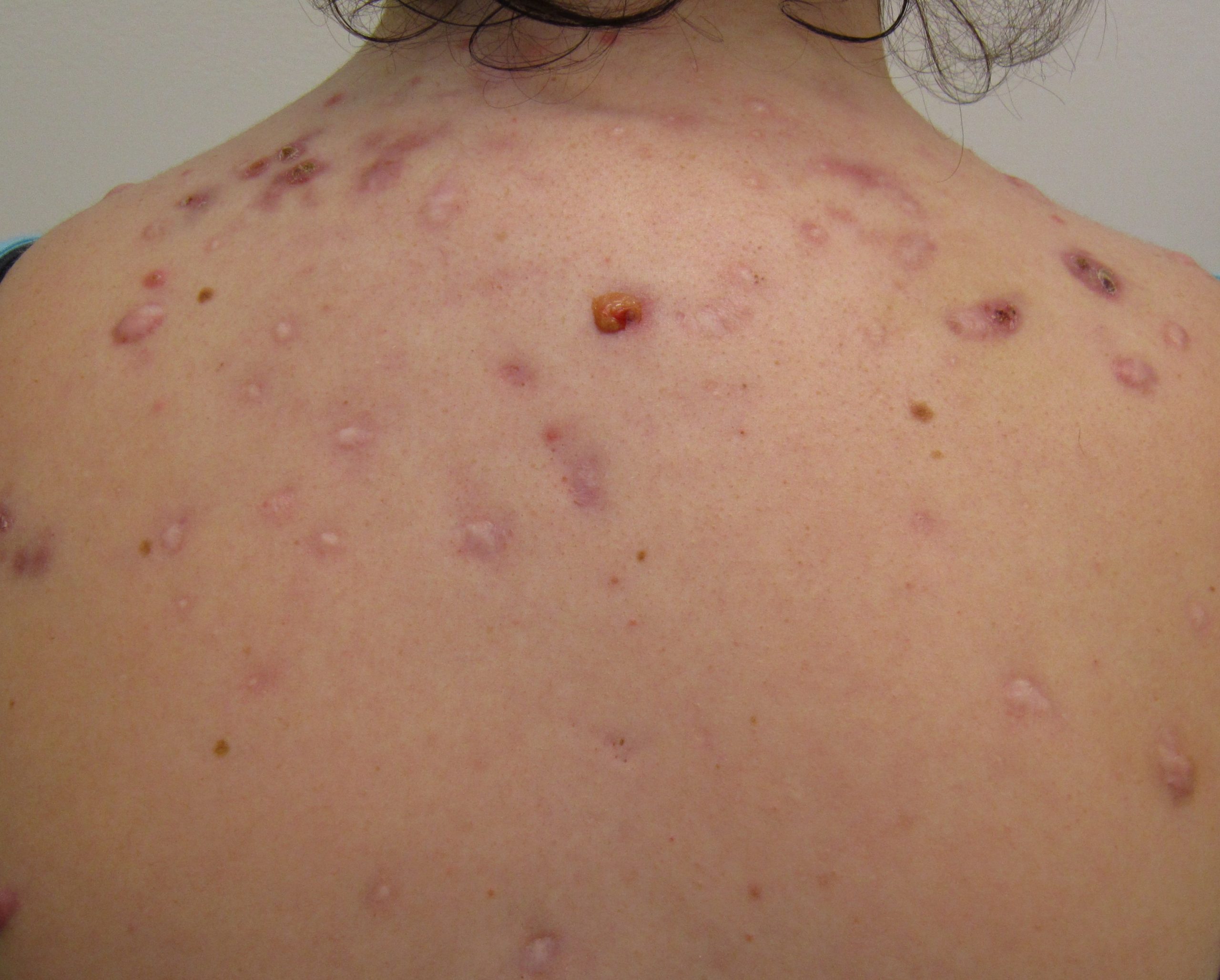
एकनेलाई अर्को सब्दमा एकने भल्गरिस नि भनिन्छ। यो एक छालासम्बन्धी रोग हो। यसमा छाला मा दाग आउनु को साथै घाउ समेत हुने गर्छ। यो प्राय जस्तो अनुहारमा आउछ भने घटी, गर्धन र पिठ्यु मा समेत आउने गर्दछ।
यसले कपालको जरालाई असर गर्दछ भने संगसंगै तेल ग्रन्थि मा समेत सुजन हुन्छ। ऐक्ने (Acne) छालामा आउने सानो रातो वा सेतो फोका वा डण्डिफोर हो। यसले विशेष गरी किशोरावस्थामा धेरैलाई प्रभावित गर्छ। अनुहार, ढाड, काँध र छातीमा बढी देखिन्छ।
एकने कसरि हुन्छ?
| पिठ्युमा ए्कने |
यो निम्न तरिका बाट हुन्छ।
- तेल ग्रन्थि को प्वाल बन्द भएर
- तेल धेरै उत्पादन भएर
- क्युतिबयाक्तेरियम एक्नेस नामक कितानु को संक्रमण भएर
- माथिका सबैले गर्दा सुजन भएर
- छालामा तेल (Sebum) बढी उत्पादन हुनु
- मरेका छाला कोषहरू जम्नु
- ब्याक्टेरिया (Bacteria) को संक्रमण
- हार्मोनल परिवर्तन (विशेष गरी किशोरावस्था, गर्भावस्था, वा महिनावारीको समयमा)
- धेरै चिल्लो तथा मसलादार खानेकुरा सेवन
- तनाव र मानसिक दबाब
- अनुहार धेरै छोइरहने बानी
ऐक्ने रोकथामका उपायहरू
- ✅ अनुहार दिनको दुई पटक सफा गर्ने
- ✅ तेलीयो (Oily) वा चिल्लो क्रिम वा कस्मेटिक प्रयोग नगर्ने
- ✅ ताजा फलफूल, हरियो तरकारी र पानी प्रशस्त पिउने
- ✅ धेरै जसो अनुहार नछुने र डण्डिफोर नथिच्ने
- ✅ सरसफाइमा ध्यान दिने र सफा तकिया प्रयोग गर्ने
- ✅ तनाव कम गर्ने प्रयास गर्ने
ऐक्ने उपचारका घरेलु उपायहरू
- 🔹 मह र बेसार: महमा ब्याक्टेरियाको वृद्धि रोक्ने गुण हुन्छ। बेसारसँग मिलाएर लगाउँदा ऐक्ने घट्न सक्छ।
- 🔹 एलोवेरा जेल: एलोवेरा छालालाई शितल पार्ने र ऐक्ने कम गर्ने उपाय हो।
- 🔹 निमको पातको रस: निममा एन्टिब्याक्टेरियल गुण हुन्छ, जसले छाला सफा गर्छ।
- 🔹 बेकिङ सोडा: पानीसँग मिसाएर लगाउँदा छालाको अतिरिक्त तेल हटाउन मद्दत गर्छ।
- 🔹 गुलाब जल र कागतीको रस: छालालाई टोन गर्न मद्दत गर्छ।
चिकित्सकीय उपचार
- मेडिकल फेसवास (Salicylic Acid वा Benzoyl Peroxide भएको)
- एन्टिबायोटिक क्रिम वा औषधी
- हार्मोनल उपचार (यदि हार्मोनको कारणले भएको छ भने)
निष्कर्ष
WBCs, MCQs regarding wbcNNC license exams preparation Nepali
WBC-White blood cells MCQs regarding wbc NNC License Preparation Lecture Recorded Videos
RBC revision class
WBC stands for White Blood Cells, which are a component of the immune system responsible for defending the body against infections and diseases.
Normal character of WBC
- Anemia classification
- Anemia causes
- Treatment of anemia?
Introduction
WBC= white blood cells
| WBC Types normal |
- AKA-> leukocytes
- Leuko=white
- Normal count? 4-11
- Increased count=leukocytosis
- Decreased count= leukopenia
Types Normal character of WBC
- Granulocytes
- Neutrophils
- Basophils
- Eosinophils
- Agranulocytes
- Lymphocytes
- Monocytes
Neutrophils
- 40-70% of total WBC in blood
- Also called polymorphonuclear cells
- Have multilobed nucleus
- Job description: Phagocytosis and killing of pathogen
- Have enzyme for digestion in their granules
- Neutrophilia- in infection
- Leukemia in cancer (hematological malignancy)
Eosinohils
- 1-4% of total WBC
- Destroy parasites (helminths)
- Increases in
- allergic conditions
- Parasitic infestation
- Aasthma
- Allergic rhinitis
- Urticaria etc
- Degrade histamine
- They stain by eosin pigment in H&E stain so called eosinophil
Basophil
- Less than 1%
- Role in anti-inflammatory process
- Resemble in structure of mast cell of the connective tissues
- Have IgE receptor in their cell surface
- Secrete histamine leading to IgE mediated immune reaction(type I hypersensitivity)
Lymphocytes
- 20-40% of total WBC
- Types
- B lymphocytes (maturation in
- bone marrow then goes to secondary lymphoid tissues)
T lymphocytes (maturation/activation in thymus)
B-lymphocytes
- Humoral immune response
- They differentiate into plasma cells and memory cells
- Secrete/synthesize antibodies
- Remember antigen for long run
Immunization?
T-lymphocytes
- Cell mediated immune response
- Have t-cell receptors
- Different types according to receptors
- CD4-helper, CD8-cytotoxic, memory t-celletc
- They recognize and destroy antigen/viruses
Monocytes
- 2-8 % of total WBCs
- If they go to the tissue they change into the macrophages
- Macrophges are antigen presenting cells-process the antigen
- Osteoclasts, Kupffer cells, mesangial cells, microglial cells, sinusoidal cells, histocytes all are monocytes
NK cells
- Role in virus infected cell elimination
- Cancecr cell killing
- Help neutrophils and macrophages
Multiple Choice Questions in WBC
1. The average life span of WBC is:
- 2 to 4 hours
- 2 to 4 days
- 120 days
- 365 days
Ans: b (2 to 4 days)
2. Leukemia normally means:
- Excessive production of RBC
- Excessive production of Platelets
- Excessive production of WBC
- Reduction in number of WBC
Ans: c (Excessive production of WBC)
3. The process of development and maturation of WBC is known as:
- Erythropoiesis
- Hematopoiesis
- Leucopoiesis
- Neuropoiesis
Ans: c ( Leucopoiesis)
4. In adults, WBCs count should be…………………… of blood.
- 1000-2500/mm3
- 2500-3000/mm3
- 3000-3500/mm3
- 4000-11000/mm3
Ans: d (4000- 11000/mm3)
5. White Blood Cells are also known as ……………….. blood cells.
- Colorless
- Red
- Black
- Green
Ans: a (Colorless)
6. The basophils of white blood cells liberates…………….
- Heparin
- Serotonin
- Histamine
- All of these
Ans: d (all of these)
7. Which of the following is correct subtype of lymphocytes?
- G cell
- P cell
- T cell
- U cell
- Ans: c (T cell)
8. Lymphocytes and phagocytes are the types of
- Erythrocytes
- Leukocytes
- Platelets
- Antibodies
Ans: b ( Leukocytes)
9. What do WBCs do?
- Carry oxygen from the lungs.
- Carry waste products from the cells.
- Fight against infection.
- Help stop bleeding by forming clots.
Ans: c ( fight against infection)
10. What are neutrophils?
- Immature Red Blood Cell
- A type of White Blood Cell
- A type of Platelet
- A type of Bacteria
- Ans: b (A type of White Blood Cell)
11. What is severe neutropenia?
- An absolute neutrophil count (ANC) of less than 500
- An ANC of less than 1000
- An ANC of less than 50
- An ANC of less than 25
Ans: a (An ANC of less than 500)
Video inWBC lecture for NHPC & NNC license examination
Menstrual cups tips for old and new users 2025: Mastering Menstrual Cups
Menstrual cups tips and tricks for old and new users 2025
Mastering Menstrual Cups: Essential Tips and Tricks for New and Experienced Users in 2023
Table of Contents (toc)
| Menstrual cups tips |
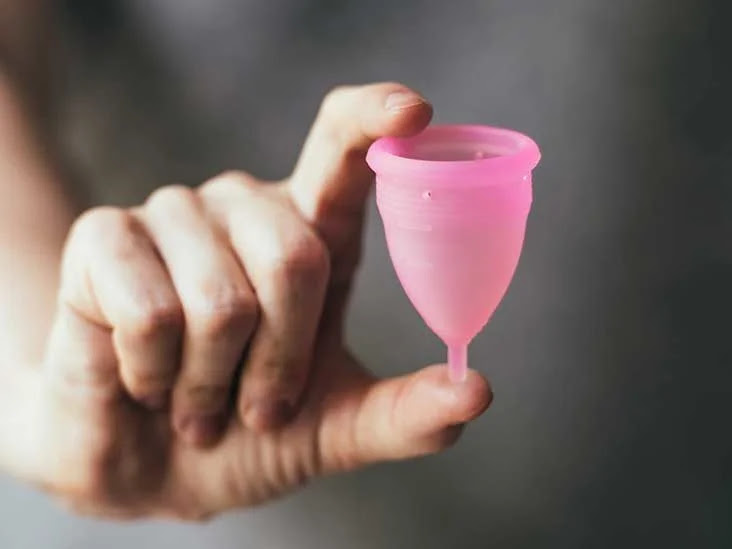
Menstrual cups have gained immense popularity in recent years for their eco-friendly nature, cost-effectiveness, and convenience. Whether you’re a seasoned user or new to the world of menstrual cups, there are always helpful tips and tricks to enhance your experience. In this article, we’ll share valuable insights and practical advice to help both old and new users make the most out of their menstrual cup journey in 2023. Let’s dive in!
Choose the right cup:
Finding the perfect fit is crucial for a comfortable and leak-free experience. Consider factors such as size, firmness, and the cup’s capacity to select a cup that suits your body and flow.
Sterilize before first use:
Before using a new cup or after a long break, it’s essential to sterilize it by boiling it in water for a few minutes. This ensures optimal hygiene and cleanliness.
Practice different folding techniques:
Experiment with various folding techniques, such as the C-fold, punch-down fold, or 7-fold, to find the one that is most comfortable and provides easy insertion.
Relax and take your time:
Inserting a menstrual cup may require a learning curve. Be patient, relax your pelvic muscles, and take your time to find a technique that works best for you.
Locate your cervix:
Understanding the position of your cervix can help determine the cup’s placement. Some cups work better for high cervixes, while others are ideal for low cervixes. Explore and adjust accordingly.
Check the suction:
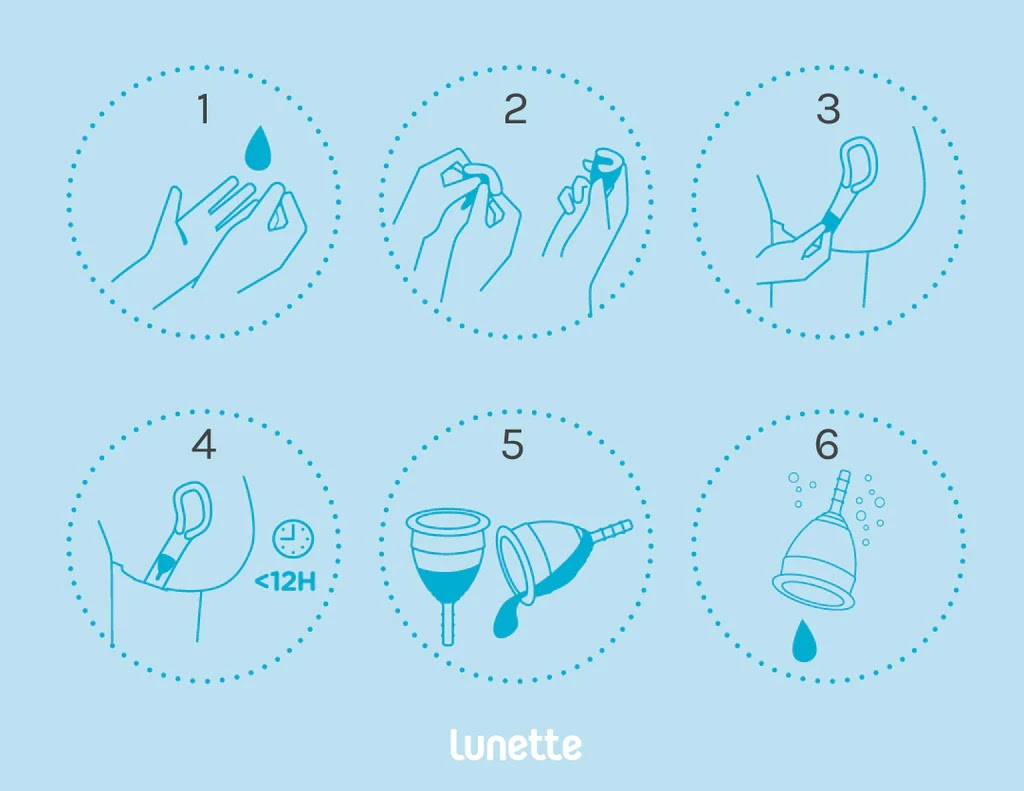
Once the cup is inserted, ensure a proper seal by rotating it or gently tugging the stem. You should feel resistance, indicating a secure suction. This prevents leaks and ensures a snug fit.
Trim the stem if needed:
If you find the stem of your cup protruding or causing discomfort, it’s safe to trim it to a length that feels comfortable for you. However, ensure not to cut too much as it can make removal challenging.
Empty and clean regularly:
Menstrual cups can be worn for up to 12 hours, but the frequency of emptying depends on your flow. Empty and rinse the cup with water every 4-8 hours to maintain hygiene.
Choose the right removal technique:
To remove the cup, use your pelvic muscles to push it lower and reach the base. Pinch the base to release the suction and gently wiggle the cup out. Don’t rush the process; take your time.
Clean and sanitize between cycles:
Between menstrual cycles, thoroughly clean and sanitize your cup. Follow the manufacturer’s instructions or use a specialized cup cleanser to ensure optimal hygiene.
Troubleshoot leaks:
If you experience leaks, check the cup’s position, ensure a proper seal, or consider trying a different cup size or shape that suits your body and flow.
Be prepared when in public:
Carry a water bottle or wipes in your bag for easy cleaning when emptying your cup in public restrooms without a sink nearby.
Overcome odor concerns:
To minimize any potential odor, rinse your cup with cold water before cleaning it with warm water and mild soap. You can also soak it in a mixture of water and vinegar.
Stay active with a cup:
Unlike pads and tampons, menstrual cups are suitable for various physical activities, including swimming, yoga, and sports. Once properly inserted, they provide reliable protection without movement restrictions.
Find your favorite folding and insertion method:
Experiment with different folding techniques and insertion angles to find the most comfortable and effective method for you. Some find it easier to insert while squatting or sitting on the toilet.
Use water-based lubricant if needed:
If you experience dryness or discomfort during insertion, applying a water-based lubricant on the rim of the cup can ease the process.
Embrace the learning process:
Remember, using a menstrual cup may require a few cycles to get comfortable and confident. Don’t get discouraged if you encounter initial challenges. It’s a journey worth embracing.
Join supportive communities:
Connect with online communities, forums, or social media groups dedicated to menstrual cup users. You can learn from others’ experiences, seek advice, and share your own tips and tricks.
Consider backup options:
During the learning phase or on heavy flow days, you may want to wear a panty liner or period underwear as a backup until you gain more confidence in your cup.
Replace as needed:
Menstrual cups are durable and can last for several years with proper care. However, if you notice any signs of wear and tear, such as discoloration or a change in texture, it’s time to replace your cup.
| mens cup insert and removal tips |
Conclusion:
Whether you’re a new or experienced menstrual cup user, these tips and tricks will help you navigate the world of menstrual cups with confidence and ease in 2023. Remember, each person’s experience is unique, so don’t hesitate to experiment, seek guidance from others, and make adjustments that work best for your body and flow. Embrace the freedom, comfort, and eco-friendliness that menstrual cups offer, and enjoy a more sustainable and hassle-free period experience.
{
“@context”: “https://schema.org”,
“@type”: “FAQPage”,
“mainEntity”: {
“@type”: “Question”,
“name”: “What are Menstrual cups tips and tricks for old and new users?”,
“acceptedAnswer”: {
“@type”: “Answer”,
“text”: “Choose the right cup:
Sterilize before first use:
Practice different folding techniques:
Relax and take your time:
Locate your cervix:
Check the suction:
Trim the stem if needed:
Empty and clean regularly:
Read more on website..”
}
}
}
Postpartum blues vs depression vs psychosis explained
postpartum blues vs depression vs psychosis explained well 2024
Introduction
| Postpartum blues vs depression vs psychosis |
Although delivering a baby is typically a happy event, many postpartum women develop depressive symptoms. These symptoms may manifest as the postpartum blues, which consist of mild depressive symptoms that are generally self-limited, but may be a risk factor for more severe syndromes of major depression.
Why do postpartum psychiatric illnessed like blues, depression and psychosis occur?
Risk factors for postpartum psychiatric disorders
- Not breastfeeding
- Stress around child care
- Psychosocial impairment
- Family history of depression
- History of:
- Postpartum depression
- Premenstrual mood changes
- Oral contraceptive use that is associated with mood changes
- Depressive syndromes predating pregnancy
- Antepartum depressive symptoms
- Caesarian section
Blues▶
✅Depressed. fatique. tearfulness, mood swings 30-70%
✅Starts 2-3 days >delivery, Resolves- within 10 days, No thoughts of harming baby
✅Rx – Support and follow up
Postpartum depression▶
—————————
Depresses. Anxiety 10-15%
✅Starts within 12 weeks from delivery & persists > 2 weeks
✅Thoughts of harming +-
✅Rx – CBT & SSRIs
Postpartum Psychosis▶
————————-
- Delusions – Fixed, false, idiosyncratic beliefs that are not culturally based.
- Hallucinations – Sensory experiences without physical sensory stimulation including tactile, visual, auditory, gustatory, and olfactory sensations.
- Thought disorganization.
- Disorganized behavior.
✅Delusions, hallucinations 0.1-0.2%
✅Thoughts of harming or self +
✅Rx – Hospitalisation, Atypical antipsychotics
NHPC Digestive system MCQ 2081: Most important question
NHPC general medicine Digestive system MCQ 2081 : past questions with answer
Here are some multiple-choice questions (MCQs) regarding the digestive system:
| NHPC Digestive system MCQ 2080 |
1. What is the primary function of the digestive system?
2. Which organ produces bile, which helps in the digestion of fats?
3. What is the role of the small intestine in the digestive system?
4. The digestive juices in the stomach contain:
5. Which part of the tooth is the hardest and protects the inner layers?
6. What is the function of the esophagus?
7. The process by which food is broken down into smaller molecules that can be absorbed by the body is called:
8. Which of the following is not a part of the accessory organs of the digestive system?
9. Where does the majority of nutrient absorption occur in the digestive system?
10. What is the purpose of the mucus in the stomach lining?
Answers:
Glomerulonephritis vs Nephrotic Syndrome: 10 differences and video
Glomerulonephritis vs Nephrotic syndrome 2024 Medical lecture ppt and video
Glomerulonephritis
Glomerulonephritis is a medical condition characterized by inflammation of the glomeruli, which are the tiny filtering units in the kidneys. This inflammation can impair the kidneys’ ability to filter waste, leading to symptoms like swelling, high blood pressure, and changes in urine output.
There are two main types:
1. Acute Glomerulonephritis: A sudden onset of inflammation, often following infections like streptococcal throat infections. It can cause symptoms like hematuria (blood in urine), proteinuria (excess protein in urine), and edema (swelling).
2. Chronic Glomerulonephritis: A long-term condition where the inflammation persists, potentially leading to kidney damage and eventual kidney failure if not treated effectively.
Glomerulonephritis can be caused by autoimmune diseases, infections, or genetic conditions, and can lead to serious complications if left untreated.
Nephrotic syndrome
Nephrotic Syndrome is a kidney disorder characterized by a group of symptoms resulting from damage to the glomeruli, which impairs the kidneys’ ability to properly filter blood. This condition leads to excessive protein loss in the urine, resulting in low protein levels in the blood and fluid retention.
Key features of nephrotic syndrome include:
1. Proteinuria: High levels of protein in the urine, often greater than 3.5 grams per day.
2. Hypoalbuminemia: Low levels of albumin (a type of protein) in the blood.
3. Edema: Swelling, particularly in the legs, ankles, and around the eyes, due to fluid retention.
4. Hyperlipidemia: Elevated cholesterol and triglyceride levels in the blood.
Nephrotic syndrome can be caused by various underlying conditions, such as glomerulonephritis, diabetes, or autoimmune diseases. It is typically treated by addressing the underlying cause, controlling symptoms (like edema and high cholesterol), and sometimes using medications like corticosteroids or immunosuppressants.
Glomerulonephritis vs Nephrotic Syndrome
| Differentiation Between Nephrotic Syndrome and Nephritic Syndrome | ||
|---|---|---|
| Typical Features | Nephrotic | Nephritic |
| Onset | Insidious | Abrupt |
| Edema | ++++ | ++ |
| Blood pressure | Normal | Raised |
| Jugular venous pressure | Normal/low | Raised |
| Proteinuria | ++++ | ++ |
| Hematuria | May/may not occur | +++ |
| Red blood cell casts | Absent | Present |
| Serum albumin | Low | Normal/slightly reduced |
preparation study tips health science Coaching syllabus wise MCQ test
loksewa psc license free institute .
Acute glomerulonephritis vs Nephrotic syndrome
National immunization schedule of Nepal latest 2081 नेपालको राष्ट्रिय खोप तालिका लेटेस्ट २०८१
नेपालको राष्ट्रिय खोप तालिका २०८१: परिमार्जित खोप तालिका Latest vaccine schedule of Nepal: Nepal National Immunization Schedule (NIP)
बालबालिकालाइ बिभिन्न किसिमका सरुवारोगहरुबाट जोगाउन बच्चा जन्मेदेखि दुई वर्ष नपुगेसम्म बिभिन्न खोपहरु निम्नानुसार लगाउनु पर्दछ।
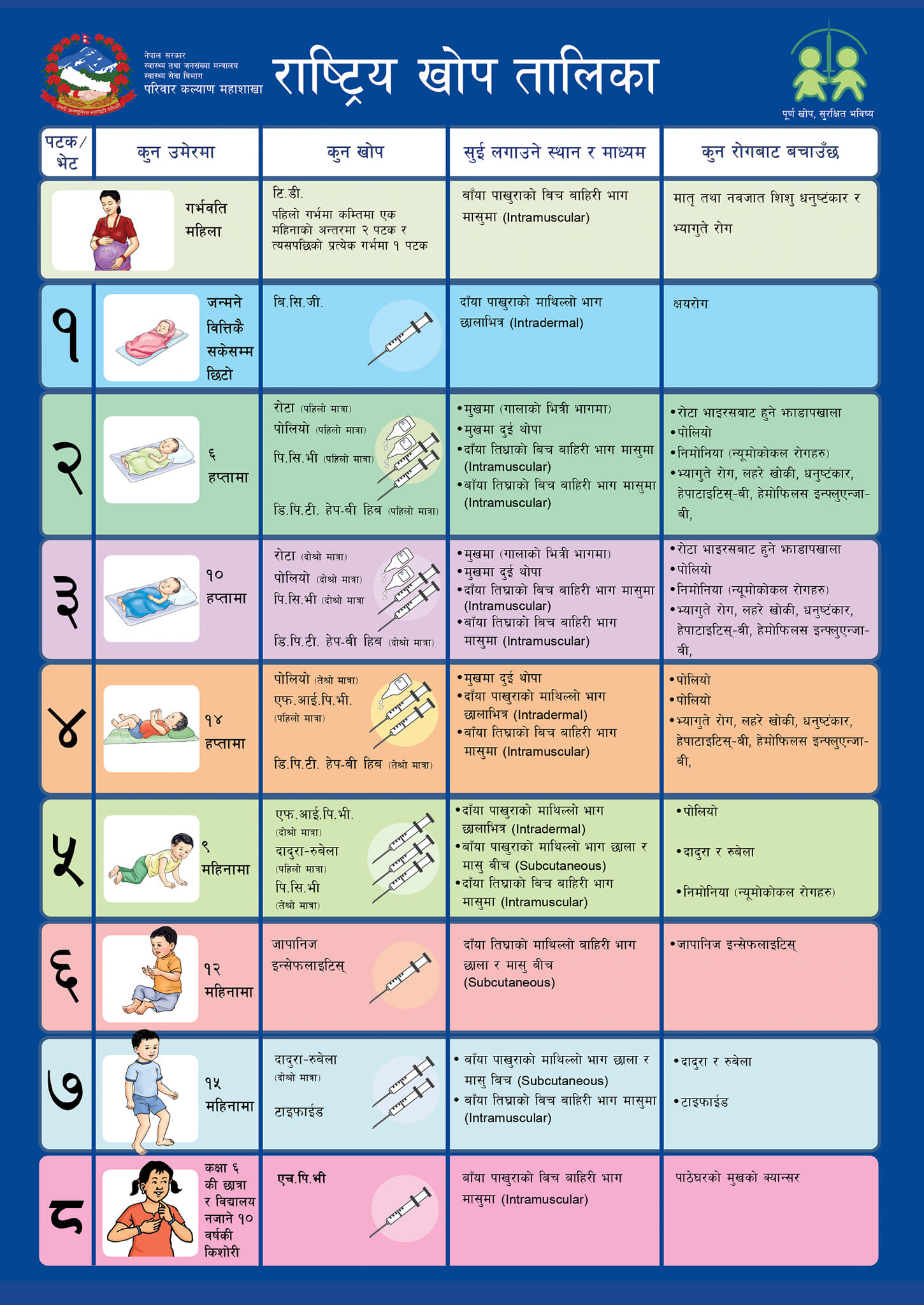
राष्ट्रिय खोप तालिका (Rastriya Khop talika) 2081 update
- जन्मिने बित्तिकै : बि सि जि
- ६ हप्तामा: रोटा, पोलियो, पि सि भि, डि पि टि, हेप बि, हिब ( पेन्टा भ्यालेन्ट)
- १० हप्तामा: रोटा, पोलियो, पि सि भि, डि पि टि, हेप बि, हिब
- १४ हप्तामा: पोलियो, एफ आइ पि भि, डि पि टि, हेप बि, हिब
- ९ महिनामा: एफ आइ पि भि, पि सि, भि, दादुरा-रुबेला
- १२ महिनामा: जापानिज इन्सेफ्लाइटिस
- १५ महिनामा: दादुरा-रुबेला, टाइफाईड
- 10 years girl or class 6 girl : HPV
Rastriya Khop Talika 2081 update
- At birth: BCG
- 6 weeks: Rota, PCV, Polio, DPT Hep B Hib (pentavalent)
- 10 weeks: Rota, polio, PCV, DPT Hep B Hib
- 14 weeks Polio, FIPV, DPT Hep B Hib
- 9 months: FIPV, PCV, MR
- 12 months JE
- 15 months: MR, Typhoid
- HPV : class 6 girl or 10 years age girl
खोप सुरक्षित छ।
खोप नि:शुल्क पाइन्छ।
खोपले जीवन रक्षा गर्छ।
Vaccine allergies and AEFI Nepal राष्ट्रिय खोप तालिका:
Side effects of vaccine in nepali:
- खोप लगाएको ठाउमा रातो हुने
- बिमिरा आउने
- हल्का जरो आउने
- कन्ने
- खान नमान्ने
- रुने
- एलर्जि र एनाफाइल्याक्सिस (कडा तर एकदम बिरलै हुने प्रतिक्रिया)
Khop lagaune tarika खोप लगाउने तरिका र डोज नेपालीमा Route of administration of vaccines and dose
| Vaccine route of administration and dose in nepali |
Typhoid vaccine included in Nepal Guideline Since When
खोपको डोज छुटेको छ? कि ढिला भएको छ? के गर्ने भनेर जान्न हामिलाई सोध्नुहोस। च्याटबक्स इमेल email : mail@chaitanya.com.np मा सम्पर्क गर्नुहोस्।
BPH License Exam Model Question (NHPC ) Nepal Health Professional Council License Exam 2081
Bachelor of Public Health (BPH) Nepal Health Professional Council (NHPC) License Exam 2081 Model Set
Here are 20 model questions for the Bachelor of Public Health (BPH) Nepal Health Professional Council (NHPC) License Exam:
Public Health & Epidemiology
-
What is the incubation period of Hepatitis A?
a) 7–14 days
b) 15–50 days
c) 30–90 days
d) 90–180 days -
Which of the following is a key feature of descriptive epidemiology?
a) Hypothesis testing
b) Randomized control trials
c) Distribution of disease in terms of person, place, and time
d) Use of meta-analysis -
The Basic Reproduction Number (R₀) of a disease refers to:
a) The percentage of immune individuals in a population
b) The average number of secondary cases generated by one case
c) The number of deaths caused by the disease
d) The incubation period of the disease
Biostatistics & Research Methodology
-
In biostatistics, p-value less than 0.05 indicates:
a) The hypothesis is rejected
b) The hypothesis is accepted
c) No association between variables
d) The study is invalid -
Which sampling method ensures each individual has an equal chance of being selected?
a) Stratified sampling
b) Simple random sampling
c) Snowball sampling
d) Convenience sampling
Health Policy, Management & Health System
-
Nepal’s National Health Policy was first introduced in:
a) 1991
b) 2004
c) 2015
d) 2018 -
The Primary Health Care (PHC) approach was officially introduced globally after:
a) The Ottawa Charter
b) The Alma-Ata Declaration
c) The Sustainable Development Goals
d) The Millennium Development Goals -
Which of the following is not an indicator of health system performance?
a) Infant mortality rate
b) Number of medical colleges
c) Life expectancy
d) Maternal mortality ratio
Environmental & Occupational Health
-
The presence of arsenic in groundwater mainly leads to:
a) Methemoglobinemia
b) Fluorosis
c) Skin cancer
d) Itai-Itai disease -
The main cause of indoor air pollution in rural Nepal is:
a) Vehicular emissions
b) Industrial waste
c) Biomass fuel burning
d) Ozone depletion
Communicable & Non-Communicable Diseases
-
The first case of COVID-19 in Nepal was reported in:
a) December 2019
b) January 2020
c) March 2020
d) May 2020 -
Which of the following is not a risk factor for cardiovascular diseases?
a) High blood pressure
b) Tobacco use
c) Physical activity
d) Obesity
Reproductive, Maternal & Child Health
-
Which of the following is a leading cause of maternal mortality in Nepal?
a) Road traffic accidents
b) Postpartum hemorrhage
c) HIV/AIDS
d) Thyroid disorders -
Exclusive breastfeeding is recommended for the first:
a) 3 months
b) 6 months
c) 9 months
d) 12 months
Nutrition & Food Safety
-
A deficiency of iodine during pregnancy can lead to:
a) Night blindness
b) Beriberi
c) Cretinism
d) Pellagra -
Mid-upper arm circumference (MUAC) is used to assess:
a) Vitamin A deficiency
b) Malnutrition
c) Water intake
d) Physical activity level
Disaster & Emergency Health Management
-
The first step in disaster risk management is:
a) Response and recovery
b) Risk assessment and mitigation
c) Providing immediate aid
d) Media coverage -
In Nepal, a public health emergency is declared when:
a) At least 50 cases of an outbreak occur
b) There is a sudden rise in disease cases that affects public safety
c) The WHO issues a global alert
d) The Ministry of Health and Population issues a statement
Mental Health & Community Interventions
-
Which of the following is a key symptom of major depressive disorder?
a) Increased social interaction
b) Decreased need for sleep
c) Persistent low mood and loss of interest
d) Excessive physical energy -
The Mental Health Policy of Nepal (1996) emphasizes:
a) The establishment of mental hospitals in each province
b) Integrating mental health services into primary health care
c) Mental health services should only be provided in urban areas
d) Restricting the use of psychotropic medications