Table of Contents
Ventilator-Associated Pneumonia (VAP)
Definition:
- A type of hospital-acquired pneumonia.
- Occurs 48 hours or more after endotracheal intubation and mechanical ventilation.
Etiology / Common Pathogens:
- Gram-negative bacteria:
- Pseudomonas aeruginosa
- Klebsiella pneumoniae
- Escherichia coli
- Acinetobacter baumannii
- Gram-positive bacteria:
- Staphylococcus aureus (including MRSA)
Risk Factors:
- Prolonged mechanical ventilation
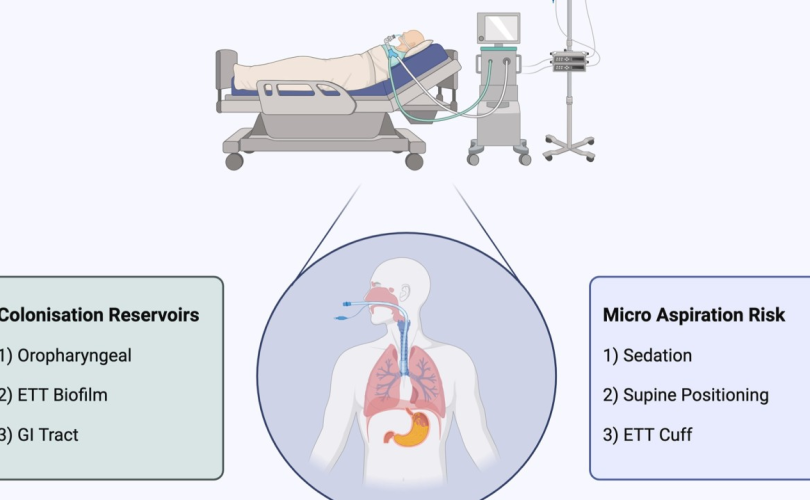
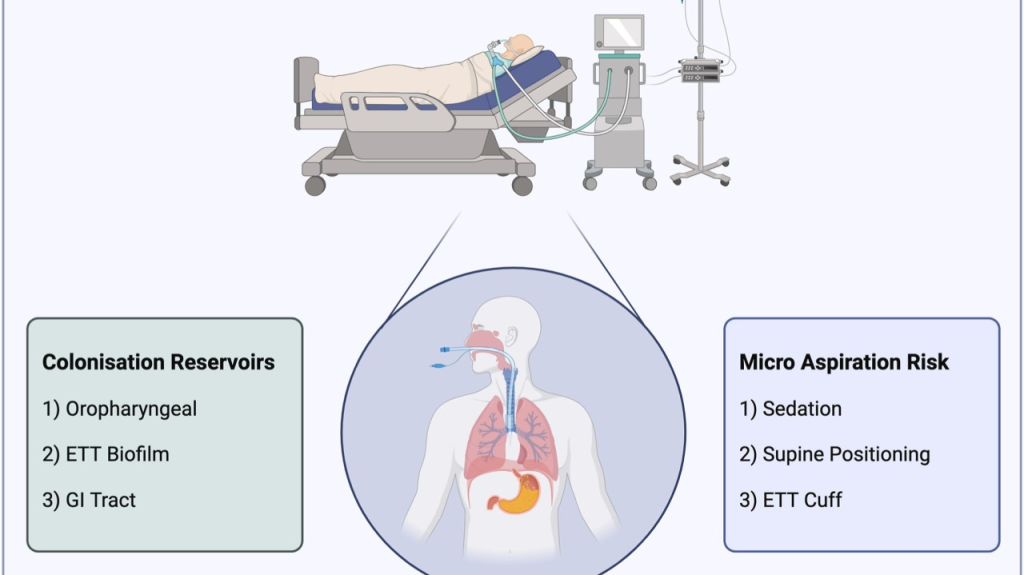
- Supine positioning
- Aspiration of gastric contents
- Poor oral hygiene
- Use of sedatives and paralytics
- Re-intubation
Pathophysiology:
- Microaspiration of oropharyngeal secretions
- Colonization of the airway and endotracheal tube
- Formation of biofilms
Clinical Features:
- Fever
- Purulent tracheal secretions
- New or progressive infiltrates on chest X-ray
- Leukocytosis or leukopenia
- Worsening oxygenation
Diagnosis:
- Clinical criteria (e.g., CPIS – Clinical Pulmonary Infection Score)
- Chest imaging
- Microbiological cultures (sputum, bronchoalveolar lavage, tracheal aspirate)
Prevention:
- Elevate head of bed (30–45 degrees)
- Daily sedation vacations and assessment for extubation
- Oral care with chlorhexidine
- Subglottic secretion drainage
- Hand hygiene and sterile technique
Treatment:
Duration typically 7 days (can vary)
Empirical broad-spectrum antibiotics initially
De-escalation based on culture results