
How do you approach a case of nonspecific urethritis?
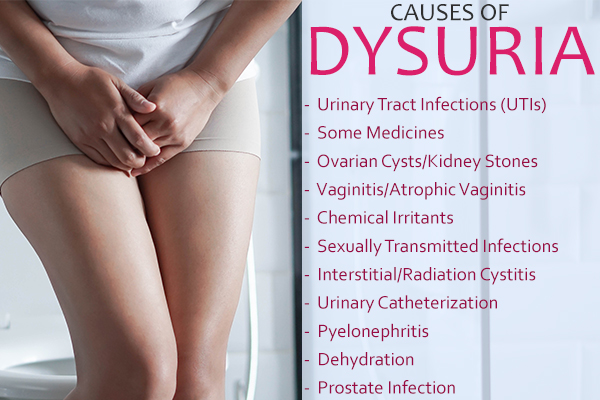
In approaching a case of nonspecific urethritis (NSU), a thorough history and physical examination are essential. Key aspects of the history include assessing for symptoms such as dysuria, urethral discharge, and any recent sexual activity. Patients may also report urinary frequency, urgency, or discomfort.
Investigations
Investigations for NSU typically involve the following:
-
Urine Analysis: A urine sample is examined for the presence of white blood cells (indicating inflammation) and bacteria. Urine culture may also be performed to rule out specific pathogens such as Chlamydia trachomatis or Neisseria gonorrhoeae.
-
Urethral Swab: A swab from the urethra may be obtained for microscopic examination and culture to identify any pathogens causing the urethritis.
-
Sexually Transmitted Infection (STI) Testing: Testing for common STIs such as Chlamydia, Gonorrhea, and Trichomoniasis should be considered, especially in sexually active individuals.
-
Syndromic Management: In settings where resources are limited or specific tests are unavailable, empiric treatment based on syndromic management guidelines may be initiated.
Managing a case of NSU
The important aspects of managing a case of NSU include:
-
Treatment: Antibiotic therapy is typically initiated empirically to cover common pathogens associated with NSU. First-line antibiotics include azithromycin or doxycycline. In cases where STIs are suspected or confirmed, treatment should be directed accordingly.
-
Partner Notification and Treatment: Patients diagnosed with NSU should be advised to inform their sexual partners to seek evaluation and treatment if necessary to prevent reinfection and further spread of STIs.
-
Follow-up: Patients should be scheduled for follow-up to monitor treatment response, assess for resolution of symptoms, and ensure compliance with medication regimens.
-
Prevention: Education on safer sexual practices, including condom use, risk reduction strategies, and routine STI screening, should be emphasized to prevent future episodes of NSU and STI transmission.
-
Referral: Referral to a specialist may be warranted in cases of treatment failure, complicated infections, or recurrent NSU to further evaluate and manage underlying causes or contributing factors.