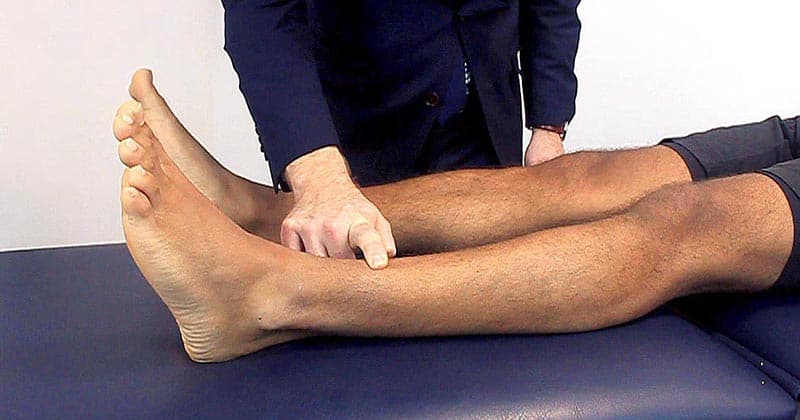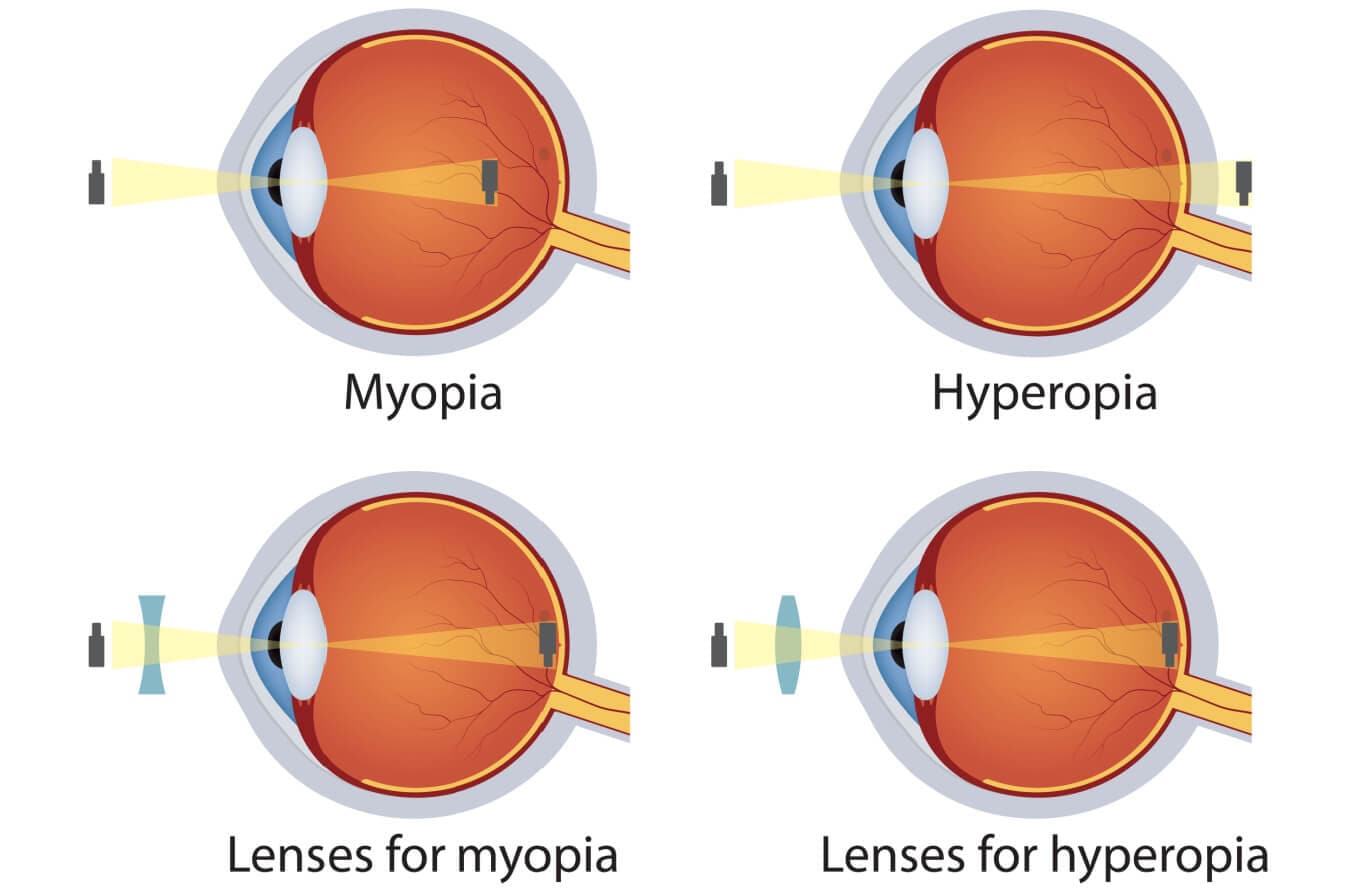
Here is a set of 50 multiple-choice questions (MCQs) for nursing license examinees

Table of Contents(toc)
body {
font-family: Arial, sans-serif;
margin: 20px;
}
.button {
padding: 10px 20px;
font-size: 16px;
background-color: #4CAF50;
color: white;
border: none;
cursor: pointer;
margin-top: 20px;
}
.button:hover {
background-color: #45a049;
}
.answers {
display: none;
margin-top: 20px;
}
Nursing License Exam Questions
Anatomy
1. Which of the following is the largest bone in the human body?
- A. Humerus
- B. Femur
- C. Tibia
- D. Fibula
2. The primary function of the alveoli in the lungs is to:
- A. Filter air
- B. Exchange gases
- C. Produce mucus
- D. Store oxygen
3. Which part of the brain is responsible for coordinating voluntary movements?
- A. Cerebrum
- B. Medulla oblongata
- C. Cerebellum
- D. Hypothalamus
4. The sinoatrial (SA) node is located in the:
- A. Right atrium
- B. Left atrium
- C. Right ventricle
- D. Left ventricle
5. The structure that connects muscles to bones is known as:
- A. Ligament
- B. Tendon
- C. Cartilage
- D. Fascia
Physiology
6. The primary function of hemoglobin in the blood is to:
- A. Fight infection
- B. Transport oxygen
- C. Clot blood
- D. Regulate pH
7. Which hormone is primarily responsible for regulating blood glucose levels?
- A. Thyroxine
- B. Insulin
- C. Cortisol
- D. Adrenaline
8. The nephron is the functional unit of the:
- A. Liver
- B. Kidney
- C. Pancreas
- D. Lung
9. Which type of muscle tissue is found in the walls of hollow organs?
- A. Skeletal muscle
- B. Cardiac muscle
- C. Smooth muscle
- D. Connective muscle
10. During the cardiac cycle, the ventricles contract during:
- A. Diastole
- B. Systole
- C. Atrial contraction
- D. Isovolumetric relaxation
Pathology
11. Which of the following conditions is characterized by the abnormal proliferation of white blood cells?
- A. Leukemia
- B. Lymphoma
- C. Anemia
- D. Thrombocytopenia
12. The primary cause of a myocardial infarction is:
- A. Hypertension
- B. Coronary artery blockage
- C. Cardiac tamponade
- D. Congestive heart failure
13. Which bacterium is most commonly associated with peptic ulcer disease?
- A. Escherichia coli
- B. Staphylococcus aureus
- C. Helicobacter pylori
- D. Streptococcus pneumoniae
14. Hyperthyroidism is most commonly caused by:
- A. Graves’ disease
- B. Hashimoto’s thyroiditis
- C. Addison’s disease
- D. Cushing’s syndrome
15. A decrease in red blood cell count is known as:
- A. Leukopenia
- B. Thrombocytopenia
- C. Anemia
- D. Polycythemia
Nursing Principles
16. The nursing process includes all of the following steps EXCEPT:
- A. Assessment
- B. Diagnosis
- C. Hypothesis
- D. Evaluation
17. Which of the following is an example of a primary prevention activity?
- A. Rehabilitation exercises after a stroke
- B. Blood pressure screening
- C. Immunization programs
- D. Physical therapy for arthritis
18. When prioritizing patient care, which of the following should be addressed first?
- A. Acute pain
- B. Risk of infection
- C. Ineffective breathing pattern
- D. Knowledge deficit
19. Which principle of ethics involves the duty to do good and avoid harm?
- A. Autonomy
- B. Beneficence
- C. Justice
- D. Fidelity
20. The best method to verify the correct placement of a nasogastric tube is:
- A. Auscultation of injected air
- B. pH testing of aspirate
- C. Patient report of nausea
- D. Observation of tube length
Ethics and Communications
21. A nurse discloses patient information without consent. This is a violation of:
- A. Autonomy
- B. Beneficence
- C. Confidentiality
- D. Veracity
22. Which of the following is an example of nonverbal communication?
- A. Speaking
- B. Writing
- C. Nodding
- D. Telephone conversation
23. The ethical principle that focuses on fairness and distribution of resources is:
- A. Autonomy
- B. Justice
- C. Nonmaleficence
- D. Fidelity
24. Informed consent requires all of the following EXCEPT:
- A. Competence
- B. Voluntariness
- C. Coercion
- D. Disclosure
25. A nurse who acts with honesty and tells the truth is practicing:
- A. Autonomy
- B. Fidelity
- C. Veracity
- D. Justice
Pediatrics
26. The first immunization a newborn typically receives is for:
27. A common sign of dehydration in infants is:
- A. Diarrhea
- B. Sunken fontanelle
- C. Rash
- D. Vomiting
28. The best way to prevent sudden infant death syndrome (SIDS) is to:
- A. Use a soft mattress
- B. Co-sleep with the baby
- C. Place the baby on their stomach to sleep
- D. Place the baby on their back to sleep
29. Which of the following is a sign of respiratory distress in a pediatric patient?
- A. Nasal flaring
- B. Cough
- C. Crying
- D. Fever
30. The appropriate pain assessment tool for a 3-year-old child is:
- A. Numeric rating scale
- B. Faces pain scale
- C. Visual analogue scale
- D. McGill pain questionnaire
Community Nursing
31. A key goal of community health nursing is to:
- A. Provide tertiary care
- B. Treat chronic diseases
- C. Promote health and prevent disease
- D. Conduct laboratory research
32. The role of a home health nurse includes all of the following EXCEPT:
- A. Conducting surgeries
- B. Providing wound care
- C. Educating patients and families
- D. Administering medications
33. Which of the following is an example of a vector-borne disease?
- A. Influenza
- B. Tuberculosis
- C. Malaria
- D. Hepatitis
34. Herd immunity is achieved when:
- A. A large percentage of the population is vaccinated
- B. All individuals are isolated
- C. Only high-risk individuals are vaccinated
- D. Disease transmission is ignored
35. The first step in the community health assessment is to:
- A. Develop a care plan
- B. Collect data
- C. Implement interventions
- D. Evaluate outcomes
Psychiatric Nursing
36. The therapeutic communication technique that involves restating the patient’s message is known as:
- A. Clarification
- B. Paraphrasing
- C. Summarizing
- D. Reflection
37. Which of the following is a negative symptom of schizophrenia?
- A. Hallucinations
- B. Delusions
- C. Anhedonia
- D. Disorganized speech
38. The priority nursing intervention for a patient experiencing a panic attack is to:
- A. Administer antianxiety medication
- B. Encourage deep breathing
- C. Provide a quiet environment
- D. Ask the patient to describe their feelings
39. Electroconvulsive therapy (ECT) is primarily used to treat:
- A. Major depressive disorder
- B. Schizophrenia
- C. Generalized anxiety disorder
- D. Obsessive-compulsive disorder
40. Which of the following medications is classified as a selective serotonin reuptake inhibitor (SSRI)?
- A. Lorazepam
- B. Haloperidol
- C. Fluoxetine
- D. Lithium
Adult Nursing
41. A common side effect of opioid analgesics is:
- A. Diarrhea
- B. Constipation
- C. Polyuria
- D. Insomnia
42. Which of the following is a sign of left-sided heart failure?
- A. Peripheral edema
- B. Jugular vein distention
- C. Ascites
- D. Pulmonary congestion
43. The best position for a patient experiencing dyspnea is:
- A. Prone
- B. Supine
- C. High Fowler’s
- D. Trendelenburg
44. A patient with diabetes mellitus should monitor for which of the following complications?
- A. Hypotension
- B. Hypercalcemia
- C. Hypoglycemia
- D. Hypernatremia
45. In the immediate postoperative period, the priority assessment is:
- A. Pain level
- B. Wound condition
- C. Respiratory status
- D. Fluid balance
Geriatric Nursing
46. A common sign of dehydration in the elderly is:
- A. High blood pressure
- B. Increased skin turgor
- C. Confusion
- D. Weight gain
47. Which of the following conditions is most likely to cause falls in elderly patients?
- A. Osteoporosis
- B. Hypertension
- C. Diabetes
- D. Anemia
48. Polypharmacy refers to:
- A. Using multiple pharmacies
- B. Taking multiple medications
- C. Prescription drug abuse
- D. Using over-the-counter supplements
49. A key intervention to prevent pressure ulcers in bed-bound elderly patients is:
- A. Encouraging high fluid intake
- B. Regularly turning and repositioning
- C. Providing high-calorie diet
- D. Administering prophylactic antibiotics
50. Which of the following is a common cognitive change associated with normal aging?
- A. Dementia
- B. Delirium
- C. Mild memory loss
- D. Psychosis
Below are the answer keys for the nursing license exam questions.
More nursing questions hereMore nursing questions here
Answer Key
1. B
2. B
3. C
4. A
5. B
6. B
7. B
8. B
9. C
10. B
11. A
12. B
13. C
14. A
15. C
16. C
17. C
18. C
19. B
20. B
21. C
22. C
23. B
24. C
25. C
26. B
27. B
28. D
29. A
30. B
31. C
32. A
33. C
34. A
35. B
36. B
37. C
38. C
39. A
40. C
41. B
42. D
43. C
44. C
45. C
46. C
47. A
48. B
49. B
50. C
function revealAnswers() {
document.getElementById(‘answerKey’).style.display = ‘block’;
}