Why is There a Measles Outbreak in Texas?
Measles is making a comeback in the United States, despite being rich and healthy country in the world and Texas is one of the states seeing a rise in cases. There are various factors causing this and its complex yet important to understand.
We reviewed multiple sources and news agency along with health and givernment sources and came with explanations.
Let’s break down why this is happening despite such precautions and what it means for public health.
1. Low Vaccination Rates
- The CDC reports that vaccination rates have dropped in certain areas of the U.S., particularly in communities with vaccine hesitancy.
- Texas has seen pockets of low vaccination rates due to misinformation, distrust in vaccines, and political factors.
- Measles is highly contagious, and when vaccination rates fall below 95%, the disease can spread rapidly within a community.
- The CDC recommends the MMR (measles, mumps, and rubella) vaccine at 1 year and again at 4-6 years old for maximum protection.
2. Measles is Highly Contagious
- Measles is one of the most contagious diseases, with a basic reproduction number (R0) between 12-18, which means one person can infect up to 18 others.
- It spreads through respiratory droplets when an infected person coughs, sneezes, or even talks.
- The virus can remain in the air or on surfaces for up to 2 hours, making it highly transmissible.
- A person with measles is contagious from 4 days before to 4 days after the rash appears.
3. Lack of Herd Immunity
- Herd immunity occurs when a sufficient percentage of the population is immune to a disease (either through vaccination or previous infection), preventing its spread.
- With vaccination rates in Texas dipping, herd immunity has been compromised, making it easier for the virus to spread.
- Children, the elderly, pregnant women, and those with weakened immune systems are most at risk when herd immunity is inadequate.
4. International Travel and Imported Cases
- The WHO has warned that global travel can increase the risk of importing diseases like measles.
- Outbreaks in countries with lower vaccination coverage, such as parts of Europe and Africa, can lead to cases arriving in the U.S.
- Once imported, the disease can spread if local vaccination rates are low and individuals are unprotected.
5. Outbreaks in Schools and Communities
- Children are especially vulnerable to measles, and outbreaks often start in schools where students are in close contact.
- Texas has seen clusters of measles cases tied to schools and daycare centers.
- The virus can easily spread in closed environments, especially among children who have not received the MMR vaccine.
- Some schools in Texas have lower-than-expected vaccination rates, which increases the risk of outbreaks.
6. The Role of Misinformation
- Misinformation surrounding vaccines is a significant factor in declining vaccination rates.
- Despite multiple studies debunking the myth that the MMR vaccine causes autism, this false claim still contributes to vaccine hesitancy.
- Social media and anti-vaccine groups have amplified these fears, influencing parents’ decisions to delay or refuse vaccination.
7. Vaccine Effectiveness and Disease Spread
- The MMR vaccine is highly effective, with an efficacy rate of around 97% after two doses.
- However, even small reductions in vaccination coverage can lead to outbreaks. Measles can spread rapidly in under-vaccinated communities, as seen in recent Texas outbreaks.
- According to the CDC, outbreaks of measles are often a wake-up call that vaccination levels need to be improved.
8. Measles Symptoms and Complications
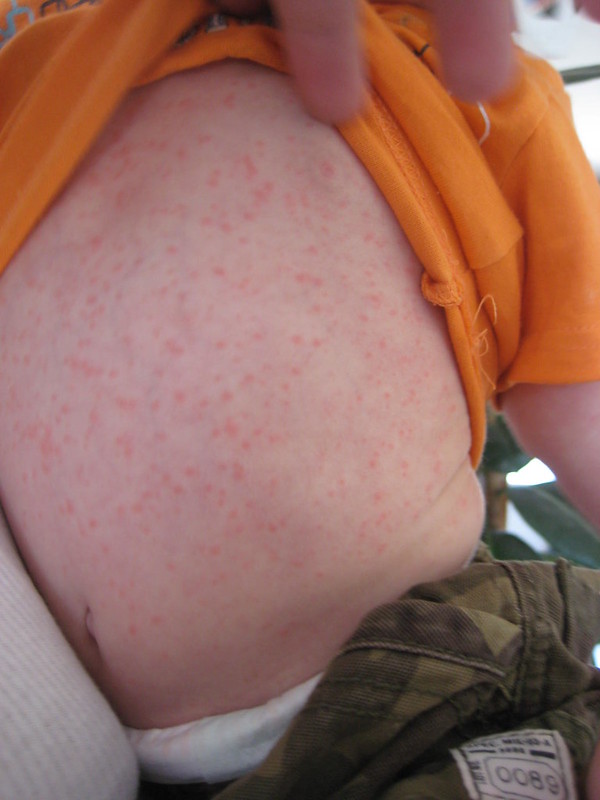
- Measles starts with high fever, cough, runny nose, and red eyes, followed by a characteristic red, blotchy rash.
- Complications from measles can be severe, including pneumonia, encephalitis (swelling of the brain), and even death.
- Children under 5 years old, pregnant women, and individuals with weakened immune systems are particularly vulnerable to these complications.
9. Why Texas?
- Texas has faced challenges in vaccine accessibility and education, especially in rural and underserved areas.
- In some regions, the perception that vaccine-preventable diseases are no longer a threat has contributed to lower immunization rates.
- Texas has also been a focus of outbreaks due to its large population, diverse communities, and geographic proximity to other countries.
What’s Being Done?
- Health authorities are intensifying efforts to increase vaccination rates through public awareness campaigns, especially in areas with low coverage.
- The Texas Department of State Health Services (DSHS) is working closely with local health departments to monitor and control outbreaks.
- Local health officials are urging parents to ensure their children are up-to-date with their vaccinations, including the MMR shot.
- The CDC continues to provide guidance on outbreak control measures, including quarantine recommendations for exposed individuals.
Conclusion
Measles outbreaks in Texas are a result of a combination of factors, including low vaccination rates, misinformation, and the highly contagious nature of the disease. Public health experts, including those from the CDC, WHO, and local health departments, emphasize that vaccination is the best way to protect children and communities from measles. With measles outbreaks on the rise, it’s more important than ever for parents to ensure their children are vaccinated.
Protect your family. Protect your community. Vaccinate against measles.
For more information on measles, refer to the CDC, WHO, Medscape, and UpToDate for comprehensive guidance on prevention and control.