Have constipation and headache: Is there proved relationship between Headache and Constipation?
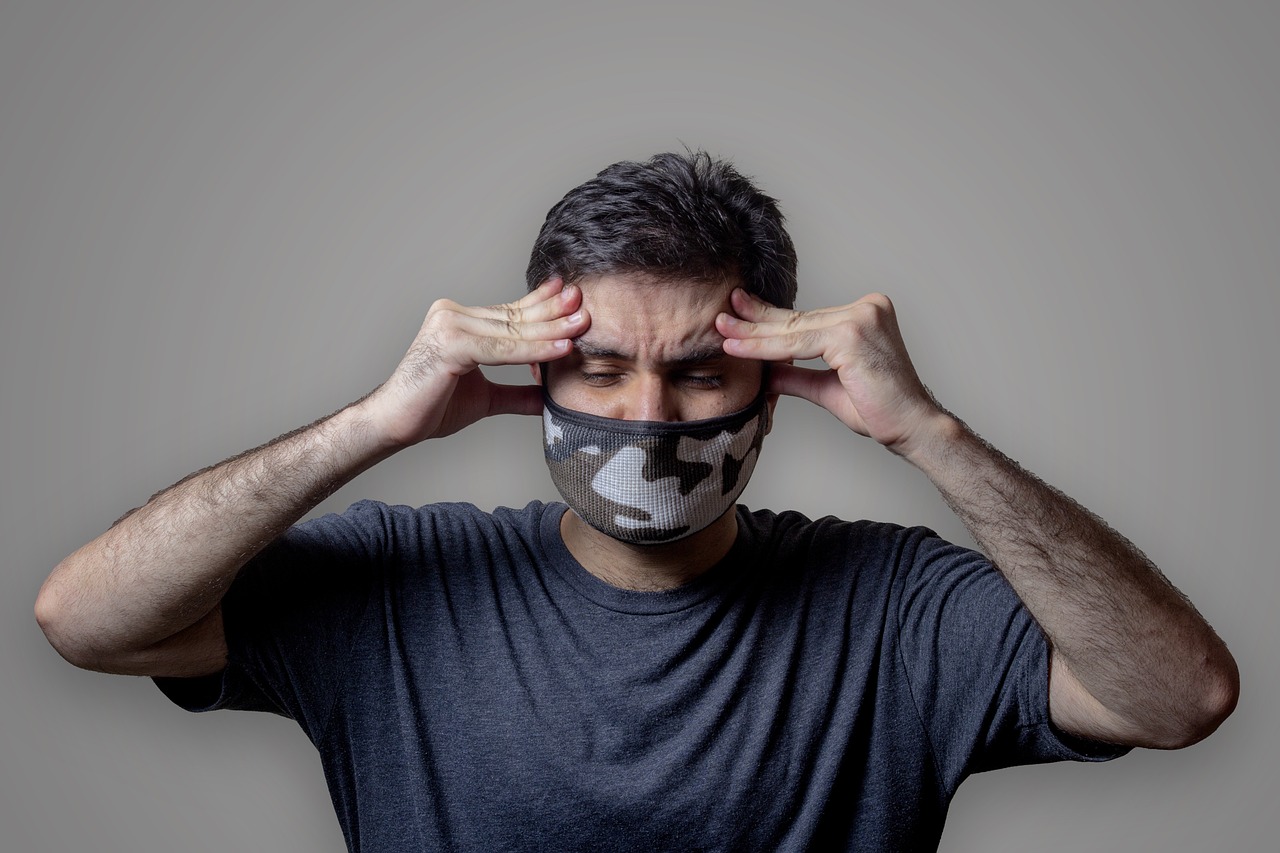
The headache you experience when you don’t have a bowel movement on time is likely related to a combination of gut-brain axis dysfunction, toxin buildup, and autonomic nervous system involvement. Here’s the possible pathophysiology:
1. Gut-Brain Axis & Vagus Nerve Stimulation
- The gut and brain communicate bidirectionally through the vagus nerve and neurotransmitters.
- Constipation may lead to increased gut distension, which can stimulate the vagus nerve and trigger headaches.
2. Toxin Buildup & Inflammatory Mediators
- Delayed bowel movements lead to prolonged retention of waste, allowing more reabsorption of toxins (e.g., ammonia, methane, and hydrogen sulfide).
- These toxins may trigger systemic inflammation and affect neurotransmitter balance, contributing to headaches.
3. Altered Serotonin Metabolism
- Serotonin (5-HT), a key neurotransmitter for both gut motility and mood regulation, is primarily produced in the gut.
- Constipation can disrupt serotonin signaling, potentially leading to headaches, mood changes, or fatigue.
4. Dehydration & Electrolyte Imbalance
- Hard stools often indicate low water content, and dehydration can cause vasodilation and reduced blood flow, triggering headaches.
- Electrolyte imbalances, particularly low magnesium or potassium, can also play a role.
5. Increased Intracranial Pressure & Autonomic Dysfunction
- Straining during bowel movements can trigger a Valsalva response, leading to fluctuations in intracranial pressure, potentially worsening headaches.
- Constipation-related autonomic nervous system dysregulation may also contribute to tension-type headaches.
6. Food Sensitivities & Gut Dysbiosis
- Poor gut microbiome health (dysbiosis) may contribute to both constipation and headaches via increased gut inflammation and immune activation.
What Can You Do?
- Increase fiber intake (fruits, vegetables, whole grains).
- Stay hydrated to keep stools soft.
- Exercise regularly to promote gut motility.
- Consider probiotics to support gut health.
- Avoid trigger foods that might worsen constipation (e.g., dairy, processed foods).
If your headaches are frequent or severe, consulting a doctor for evaluation (e.g., GI motility issues, hormonal imbalances) is advisable.
To prevent constipation-related headaches, you need a holistic approach that targets digestion, hydration, and gut health. Here’s a structured plan:
1. Increase Fiber Intake (25–30g Daily)
Fiber adds bulk to stool and promotes regular bowel movements. Aim for a balance of soluble and insoluble fiber:
✔ Soluble Fiber (absorbs water, softens stool):
- Oats, chia seeds, flaxseeds
- Apples, bananas, carrots
- Lentils, beans, avocados
✔ Insoluble Fiber (adds bulk, speeds up transit):
- Whole grains (brown rice, whole wheat, quinoa)
- Leafy greens (spinach, kale, cabbage)
- Nuts, seeds
✔ Best fiber-rich combo: Oats + chia seeds + banana + warm water (good for gut motility).
2. Optimize Hydration (2.5–3L Daily)
Dehydration can harden stools, making constipation worse.
- Start the day with warm water + lemon (stimulates digestion).
- Drink water consistently throughout the day.
- Herbal teas (peppermint, ginger, chamomile) help with digestion.
- Electrolytes (magnesium, potassium) from coconut water, bananas, and leafy greens can prevent muscle cramping and gut sluggishness.
3. Gut Health Support (Probiotics & Prebiotics)
A healthy gut microbiome improves digestion and prevents toxin buildup.
✔ Probiotics (good bacteria): Yogurt, kefir, kimchi, sauerkraut, miso.
✔ Prebiotics (feeds good bacteria): Garlic, onions, asparagus, oats, bananas.
✔ Best Gut-Friendly Remedy:
- Chia pudding (chia + probiotic yogurt + honey) – softens stool & supports gut health.
4. Manage Stress & the Gut-Brain Axis
Stress affects gut motility and worsens headaches.
✔ Daily relaxation (meditation, deep breathing, yoga).
✔ Regular movement (walking, stretching, light cardio).
✔ Best Stress-Relief Tip:
- “Belly Breathing” for 5 minutes before bed helps stimulate digestion overnight.
5. Meal Timing & Smart Eating Habits
- Eat at regular times – erratic eating disrupts gut motility.
- Chew food properly to aid digestion.
- Avoid heavy, processed meals at night (can slow digestion).
- Warm beverages (herbal tea or warm milk with turmeric) before bed can support gut motility.
6. Supplements (If Needed)
If natural approaches aren’t enough, consider:
✔ Magnesium citrate – relaxes intestinal muscles, helps with constipation & headaches.
✔ Psyllium husk (Metamucil) – fiber supplement for smoother bowel movements.
✔ Digestive enzymes – help if food is poorly digested.
Final Thoughts
- Keep a food & symptom journal to track triggers.
- If constipation + headaches persist despite lifestyle changes, consider hormonal imbalances, IBS, or food intolerances (like dairy or gluten) as potential culprits.
- If symptoms are severe, consult a gastroenterologist for deeper evaluation.
Causes of Headache: Benign vs. Emergency Causes
1. Benign (Non-Life-Threatening) Causes
These headaches are usually self-limiting and not associated with serious underlying conditions.
A. Primary Headaches (No Underlying Disease)
- Tension-Type Headache – Stress, muscle tension, poor posture
- Migraine – Throbbing pain, nausea, aura, light/sound sensitivity
- Cluster Headache – Severe, one-sided pain, tearing, nasal congestion
- Cervicogenic Headache – Neck issues causing referred pain to the head
- Exertional Headache – Triggered by physical activity or exercise
- Hypnic Headache – Occurs during sleep, common in older adults
B. Secondary Headaches (Due to an Identifiable Cause)
- Dehydration Headache – Due to fluid/electrolyte imbalance
- Caffeine Withdrawal Headache – Common in heavy coffee/tea drinkers
- Sinus Headache – Associated with sinus infections or allergies
- Eye Strain Headache – Due to prolonged screen time or uncorrected vision
- Temporomandibular Joint (TMJ) Headache – Jaw clenching, teeth grinding
- Hormonal Headache – Menstruation, pregnancy, menopause, birth control
- Postural/Orthostatic Headache – Worse when standing, better lying down (linked to low CSF pressure)
- Rebound Headache (Medication Overuse) – Frequent painkiller use (NSAIDs, triptans, opioids)
- High-Altitude Headache – Caused by hypoxia at high elevations
- Cold-Stimulus Headache (“Brain Freeze”) – Due to rapid ingestion of cold foods/drinks
2. Emergency (Life-Threatening) Causes
These headaches require urgent medical attention due to potential underlying critical conditions.
A. Vascular Causes (Stroke, Bleeding, Clots)
- Subarachnoid Hemorrhage (SAH) – Sudden, severe “thunderclap” headache, worst of life
- Intracerebral Hemorrhage – Severe headache, neurological deficits, vomiting
- Ischemic Stroke – Focal neurological signs (weakness, speech issues)
- Cerebral Venous Sinus Thrombosis (CVST) – Headache with seizures, visual problems, and clotting disorder history
- Carotid/Vertebral Artery Dissection – Unilateral headache, neck pain, stroke-like symptoms
- Hypertensive Crisis (Malignant Hypertension) – Severe headache, vision changes, confusion, high BP
B. Infectious & Inflammatory Causes
- Meningitis – Fever, neck stiffness, photophobia, altered mental status
- Encephalitis – Confusion, seizures, personality changes, fever
- Brain Abscess – Focal headache, fever, neurological deficits
C. Increased Intracranial Pressure (ICP) Causes
- Brain Tumor – Progressive headaches, worse in the morning, nausea, vision loss
- Idiopathic Intracranial Hypertension (Pseudotumor Cerebri) – Obese women, papilledema, pulsatile tinnitus
- Hydrocephalus – Headache with cognitive decline, gait disturbance
D. Other Serious Causes
- Carbon Monoxide Poisoning – Headache, dizziness, confusion, exposure to fumes
- Temporal Arteritis (Giant Cell Arteritis) – Older adults, scalp tenderness, jaw pain, risk of blindness
- Spontaneous Intracranial Hypotension (SIH) – Positional headache, better when lying down, worse when upright
When to Seek Emergency Care? (Red Flags)
- Sudden “Thunderclap” Headache – Worst of life, peak within seconds
- Neurological Deficits – Weakness, vision loss, speech issues, seizures
- Altered Mental Status – Confusion, fainting, personality changes
- Fever & Neck Stiffness – Suspect meningitis
- New Onset After Age 50 – Risk of stroke, temporal arteritis
- Headache with High Blood Pressure (≥180/120 mmHg) – Hypertensive crisis
- Progressive Worsening – Daily worsening, vomiting, worse in the morning (tumor, ICP)