RDS and Hyaline membrane disease
 |
| hyaline membrane disease |
Respiratory distress in newborns can result from various underlying etiologies, including:
-
Hyaline Membrane Disease (HMD):
- Also known as respiratory distress syndrome (RDS), HMD is a common cause of respiratory distress in premature infants.
- Etiology: HMD primarily occurs due to surfactant deficiency in premature lungs. Surfactant is essential for reducing surface tension in the alveoli, preventing collapse and facilitating gas exchange. Premature infants often lack sufficient surfactant production, leading to alveolar collapse, atelectasis, and impaired gas exchange.
- Other Causes: Respiratory distress in term infants may result from transient tachypnea of the newborn (TTN), meconium aspiration syndrome, pneumonia, congenital diaphragmatic hernia, or other congenital anomalies.
-
Transient Tachypnea of the Newborn (TTN):
- Etiology: TTN occurs due to retained fetal lung fluid, which leads to inadequate clearance of lung fluid postnatally. It is more common in infants born via cesarean section or with prolonged labor, as well as infants born to mothers with diabetes.
-
Meconium Aspiration Syndrome (MAS):
- Etiology: MAS occurs when a newborn inhales meconium-stained amniotic fluid, leading to airway obstruction, chemical pneumonitis, and surfactant inactivation.
-
Pneumonia:
- Etiology: Neonatal pneumonia can result from intrauterine infections (such as group B streptococcus, Escherichia coli, or other bacteria), or postnatal infections acquired during or after delivery.
-
Congenital Diaphragmatic Hernia (CDH):
- Etiology: CDH is a congenital defect where the diaphragm fails to develop properly, allowing abdominal organs to herniate into the chest cavity, compressing the lungs and impairing lung development.
Treatment of Hyaline Membrane Disease (HMD):
-
Surfactant Replacement Therapy:
- Exogenous surfactant administration is the cornerstone of treatment for HMD in premature infants. Surfactant replacement therapy helps improve lung compliance, reduce atelectasis, and enhance gas exchange.
- Surfactant can be administered via endotracheal tube in intubated infants, typically as a bolus dose followed by intermittent doses as needed.
-
Respiratory Support:
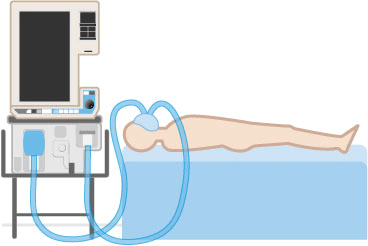
- Mechanical ventilation: Infants with severe respiratory distress may require mechanical ventilation to support gas exchange and maintain adequate oxygenation and ventilation.
- Non-invasive respiratory support: Continuous positive airway pressure (CPAP) or nasal intermittent positive pressure ventilation (NIPPV) may be used to support respiratory efforts and prevent alveolar collapse.
-
Oxygen Therapy:
- Supplemental oxygen is provided to maintain adequate oxygenation while avoiding hyperoxia, which can lead to oxidative stress and lung injury.
-
Supportive Care:
- Maintain thermal stability, ensure adequate nutrition, monitor for complications such as pneumothorax or sepsis, and provide supportive care in the neonatal intensive care unit (NICU).
-
Antenatal Corticosteroids:
- Administration of antenatal corticosteroids to mothers at risk of preterm delivery can help accelerate fetal lung maturation and reduce the severity of HMD in premature infants.
Overall, the management of HMD involves a multidisciplinary approach, including neonatologists, respiratory therapists, and nursing staff, to optimize respiratory support, prevent complications, and promote optimal outcomes for affected newborns.