
How to wear a stethoscope: how to use a stethsocope

|
| doctors showing stethoscope |
Introduction
The stethoscope is an iconic symbol of healthcare professionals and plays a
vital role in diagnosing and monitoring patients’ conditions.
While it may seem like a straightforward accessory, properly wearing a
stethoscope is crucial to ensure accurate sound transmission and optimal
functionality.
In this guide, we will walk you through the steps of wearing a stethoscope,
with a particular focus on how to wear it in your ears for maximum
effectiveness.
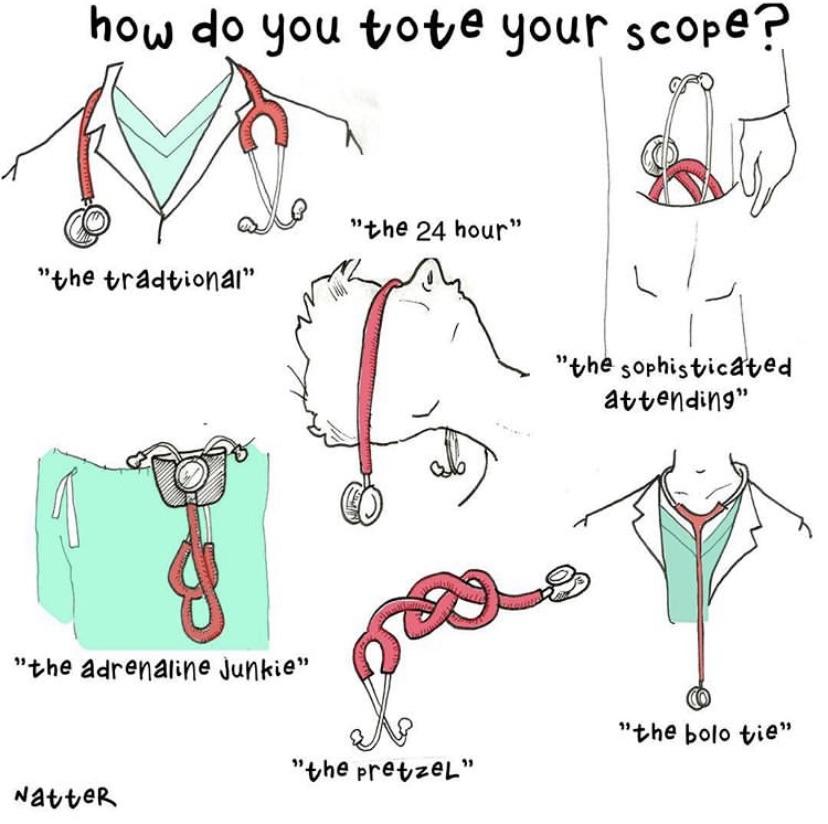
How to wear a stethoscope or store it (and how not to)
Proper Ways to Wear a Stethoscope
-
Around the Neck (Correctly)
– Place the tubing behind your neck and let the chest piece hang in front.
This prevents unnecessary kinking of the tubing. -
Over the Shoulders –
Drape it over your shoulders if you need quick access, but avoid excessive
stretching. -
Use a Dedicated Holster or Pouch
– Some healthcare professionals prefer clip-on stethoscope holders to
prevent neck strain. -
Keep Earpieces Facing Forward
– When inserting the earpieces, angle them forward to match the natural
anatomy of your ear canals. -
Adjust the Fit – Ensure
the headset tension is comfortable by gently squeezing or pulling apart
the ear tubes. -
Clean It Regularly – Wipe
the diaphragm and tubing with an alcohol swab after use to prevent
contamination.

|
| doctor listening to chest |
How NOT to Wear a Stethoscope
-
Around the Neck for Long Periods
– Prolonged hanging around the neck can cause oil buildup and degrade the
tubing. -
Dangling from One Shoulder
– This can cause it to slip and fall, leading to damage. -
Stuffing into a Tight Pocket
– Bending the tubing too much can cause cracks or deformation.
Proper Ways to Store a Stethoscope
-
Flat in a Drawer or Case
– Lay it flat in a clean drawer or a dedicated case when not in use. -
Hanging on a Hook –
Hang it in a relaxed position to avoid kinking the tubing. -
Using a Stethoscope Case
– A hard or soft case can protect it from dust and physical damage. -
Room-Temperature Storage
– Store in a cool, dry place to prevent tubing degradation.
How NOT to Store a Stethoscope
-
Leaving it in a Hot Car
– Heat exposure can make the tubing brittle and shorten its lifespan. -
Coiling Too Tightly –
Over-bending can cause cracks in the tubing. -
Placing Heavy Objects on It
– Pressure can damage the diaphragm and tubing. -
Hanging Near Sharp Edges
– Avoid hooks or surfaces that could damage the tubing.
Uses of Stethoscope
Cardiac Auscultation
- Identifying normal heart sounds (S1, S2)
- Detecting abnormal heart sounds (S3, S4)
- Recognizing heart murmurs (systolic, diastolic, continuous)
- Identifying pericardial friction rubs (pericarditis)
- Evaluating prosthetic heart valve function

Pulmonary Auscultation
- Assessing normal breath sounds (vesicular, bronchial, bronchovesicular)
-
Detecting adventitious lung sounds (crackles in pulmonary edema, wheezes
in asthma, stridor in upper airway obstruction) - Identifying pleural rubs (pleuritis)
- Monitoring post-intubation lung sounds for tube displacement
Vascular Auscultation
- Detecting carotid bruits (carotid artery stenosis)
- Assessing abdominal aortic bruits (abdominal aortic aneurysm)
- Identifying renal artery bruits (renal artery stenosis)
- Evaluating femoral bruits (peripheral artery disease)

Gastrointestinal Auscultation
- Assessing bowel sounds (normal peristalsis)
-
Detecting hyperactive bowel sounds (gastroenteritis, early bowel
obstruction) -
Identifying absent bowel sounds (paralytic ileus, late bowel
obstruction)
Obstetric Auscultation
- Monitoring fetal heart rate using a Doppler stethoscope
- Assessing fetal well-being during pregnancy
Blood Pressure Measurement
- Auscultating Korotkoff sounds for accurate sphygmomanometry

|
| Blood Pressure Measurement using stethoscope (auscultatory method) |
Critical Care and Emergency Medicine
- Verifying endotracheal tube placement (equal bilateral breath sounds)
- Identifying pneumothorax (absent breath sounds on affected side)
- Assessing pulmonary edema in heart failure (bibasilar crackles)
- Detecting shock-related bruits in vascular collapse
Neonatal and Pediatric Assessment
-
Evaluating congenital heart defects (e.g., patent ductus arteriosus,
ventricular septal defect) -
Monitoring neonatal lung conditions (e.g., transient tachypnea of
newborn, respiratory distress syndrome)
Choosing the Right Stethoscope:
Before we delve into the proper way to wear a stethoscope, it’s important to
select the right instrument for your needs.
Consider factors such as your area of expertise, comfort, and sound quality
when purchasing a stethoscope.
Opt for a high-quality model from reputable brands to ensure accurate
auscultation.
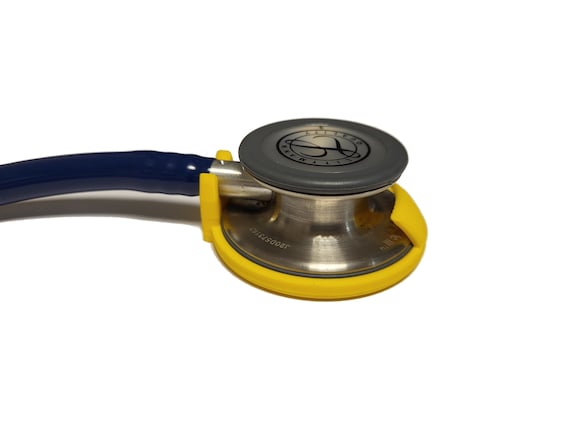
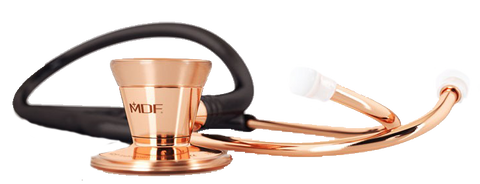
Image : Two pioneers of stethoscope industry viz littman nad MDF
Familiarizing Yourself with the Parts:
A stethoscope typically consists of three main parts: the chestpiece, tubing,
and earpieces. The chestpiece contains the diaphragm and the bell, which are
used to listen to different types of sounds. The tubing connects the
chestpiece to the earpieces, and the earpieces are inserted into the ears for
sound transmission.

|
| stethoscope parts diagram |
Adjusting the Earpieces of stethoscope:
To wear a stethoscope properly, begin by adjusting the earpieces.
Each earpiece should fit comfortably in your ears without exerting excessive
pressure.
Gently squeeze or pull the earpieces to adjust the tension, ensuring a snug
fit while avoiding discomfort or pain.
Improperly adjusted earpieces can hinder sound transmission and lead to
inaccurate auscultation.
Incorrect Position

Correct Position

Positioning the Earpieces:
Insert the earpieces into your ears at the appropriate angle. The earpieces
should be positioned pointing forward, aligning with the natural angle of your
ear canal.
Ensure that they are not twisted or facing backward, as this can impede sound
conduction and cause distortion.

|
| Positioning the Earpieces (credit wikihow) |
Checking Tubing Length:
Next, check the length of the tubing. Ideally, the tubing should be long
enough to allow you to auscultate different areas of the patient’s body
comfortably.
However, excessively long tubing can result in sound loss or interference.
Adjust the length according to your height and arm length, ensuring that it
doesn’t tangle or drag on the floor.
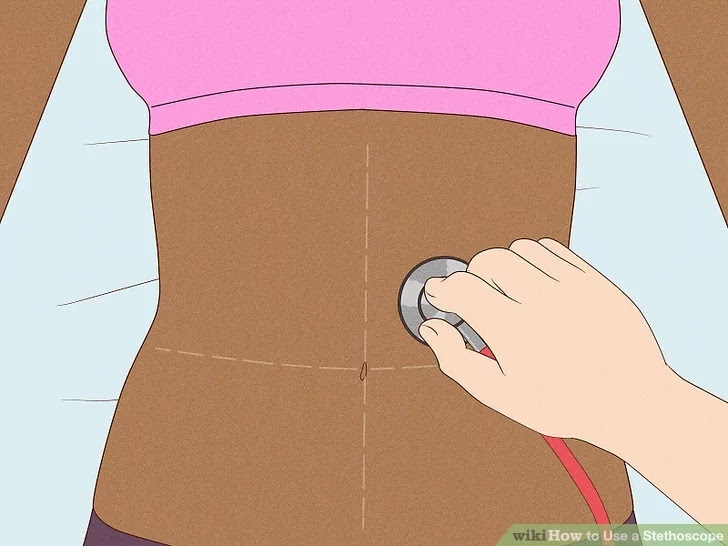
Securing the Chestpiece:
Once the earpieces are in place, secure the chestpiece onto the patient’s
body. Ensure that the diaphragm or bell is correctly positioned over the area
of interest.
For example, use the diaphragm for high-frequency sounds such as heart and
lung sounds, and the bell for low-frequency sounds like murmurs or bowel
sounds.
Press the chestpiece lightly against the patient’s skin for optimal sound
transmission.

Testing Sound Transmission:
To verify that the stethoscope is correctly positioned and functioning well,
perform a quick sound check.
Listen for the desired sounds and adjust the pressure, angle, or position if
necessary. Familiarize yourself with the specific sounds produced by your
hearts and lungs.
Listening and interpreting the sounds in stethoscope:
accordingly. Once you have your stethoscope in place, it’s time to start
listening.
you hear. Make sure that you are in a quiet environment and that there are no
distractions that could affect your reading.
the diaphragm to listen to high-frequency sounds and the bell for
low-frequency sounds.

Basic Sounds of Auscultation
Crackles Audio
Friction Rub Audio
Bowel Sounds Audio
Abnormal (increased) Bowel Sounds Audio
Normal Breath Sounds Audio
Normal Bronchial Breath Sounds Audio
Stridor Audio
Wheeze Audio
Conclusion
professionals. By following these steps, you can ensure that your stethoscope
is properly fitted and that you can get accurate readings.
sounds you hear.
and provide the best care for your patients.