🚨 Erythema Migrans: The Early Sign of Lyme Disease! 🚨

Erythema migrans (EM) is the hallmark early sign of Lyme disease, a tick-borne illness caused by the bacterium Borrelia burgdorferi. Recognizing this distinctive rash is crucial for timely diagnosis and treatment, preventing the progression to more severe stages of the disease. (Lyme Disease: Symptoms, Treatment, Prevention & Recovery)
🦠 Cause: Borrelia burgdorferi (Tick-Borne)
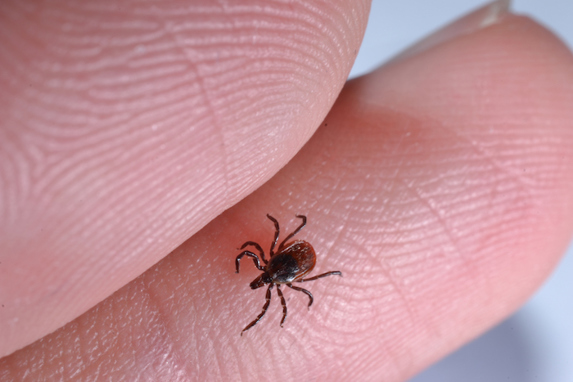
Lyme disease is transmitted to humans through the bite of infected black-legged ticks, commonly known as deer ticks. These ticks are prevalent in wooded and grassy areas, particularly in the northeastern and north-central regions of the United States. The bacterium Borrelia burgdorferi resides in the tick’s gut and is transferred to humans during feeding. (What You Need to Know About the Stages of Lyme Disease)
🔴 Appearance: The “Bull’s-Eye” Rash
Erythema migrans typically manifests as a red, expanding rash that often exhibits central clearing, giving it a characteristic “bull’s-eye” or target-like appearance. However, the rash can vary in presentation: (Lyme disease. Borrelia burgdorferi infection – DermNet)
-
Classic Bull’s-Eye: A red outer ring with central clearing.
-
Uniformly Red Lesion: A solid red patch without central clearing.
-
Multiple Lesions: In some cases, multiple EM rashes may appear, indicating disseminated infection.
The rash is usually not itchy or painful but may feel warm to the touch. It commonly appears at the site of the tick bite. (Lyme disease, [PDF] The Many Forms of Lyme Disease Rashes (Erythema Migrans) | CDC)
 |
| lyme disease bulls eye rash (source: bbc) |
⏳ Timing: Appears 7–14 Days After a Tick Bite
Erythema migrans typically develops between 7 to 14 days after a tick bite, though the onset can range from 3 to 30 days. The rash expands gradually over several days and can reach up to 12 inches (30 cm) or more in diameter. Early recognition of EM is vital, as it allows for prompt treatment and reduces the risk of complications. ([PDF] The Many Forms of Lyme Disease Rashes (Erythema Migrans) | CDC, The Spectrum of Erythema Migrans in Early Lyme Disease)
⚕️ Treatment: Doxycycline or Amoxicillin
Early-stage Lyme disease, indicated by the presence of erythema migrans, is effectively treated with antibiotics. The choice of antibiotic depends on the patient’s age, pregnancy status, and other factors: (What You Need to Know About the Stages of Lyme Disease)
-
Doxycycline: 100 mg twice daily for 10–21 days; not recommended for pregnant women or children under 8 years old.
-
Amoxicillin: 500 mg three times daily for 14–21 days; suitable for pregnant women and young children.
Early treatment usually leads to a full recovery. Delays in treatment can result in the spread of the infection to joints, the heart, and the nervous system.
🧠 Additional Symptoms to Watch For
In addition to the rash, early Lyme disease may present with flu-like symptoms:
-
Fever and chills
-
Headache
-
Fatigue
-
Muscle and joint aches
-
Swollen lymph nodes (Identifying Lyme Disease Rash From Pictures – Verywell Health)
If left untreated, the infection can progress to more severe stages, leading to complications such as arthritis, neurological disorders, and cardiac issues.
🛡️ Prevention Tips
Preventing tick bites is the most effective way to avoid Lyme disease: (Lyme disease)
-
Wear long sleeves and pants when in wooded or grassy areas.
-
Use insect repellents containing DEET on skin and permethrin on clothing.
-
Perform thorough tick checks after outdoor activities.
-
Shower soon after being outdoors to wash off unattached ticks.
-
Promptly remove any attached ticks with fine-tipped tweezers.
📷 Visual Reference
For images illustrating the various presentations of erythema migrans, please refer to the Centers for Disease Control and Prevention (CDC) Lyme Disease Rashes page. These images provide valuable visual references to aid in the recognition of this early sign of Lyme disease. (Lyme Disease Rashes – CDC, The Spectrum of Erythema Migrans in Early Lyme Disease)
Early detection and treatment of erythema migrans are crucial in preventing the progression of Lyme disease. If you suspect a tick bite or notice a suspicious rash, consult a healthcare provider promptly.